PoorX Photography
August 4, 2026
BerlinAugust 4, 2026
Mal was anderes roughly translates to “something different for a change.” Driving into the city, the air smelled faintly of rain as I chatted in German with our Turkish taxi driver about street construction and Berlin architecture — mal was anderes indeed.
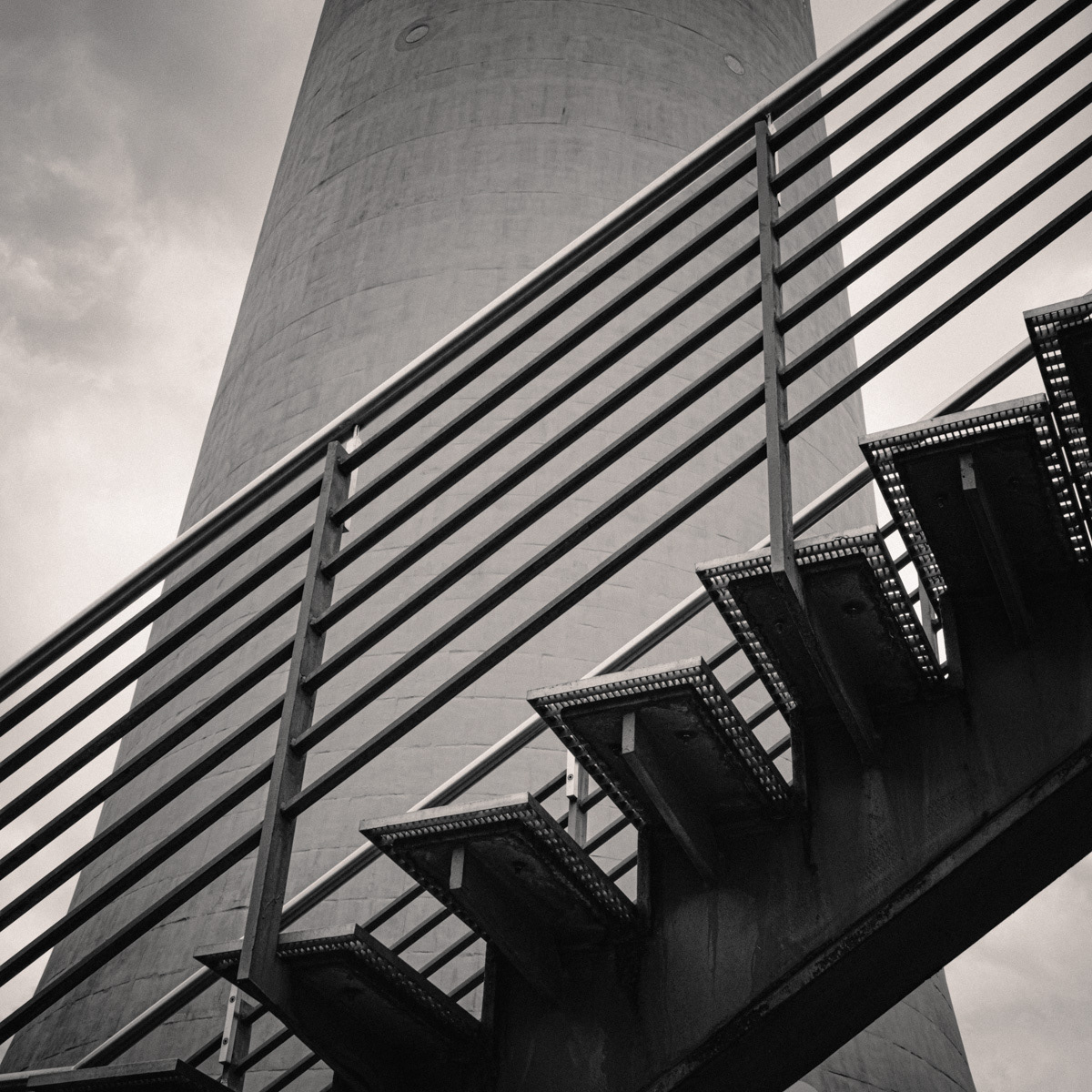
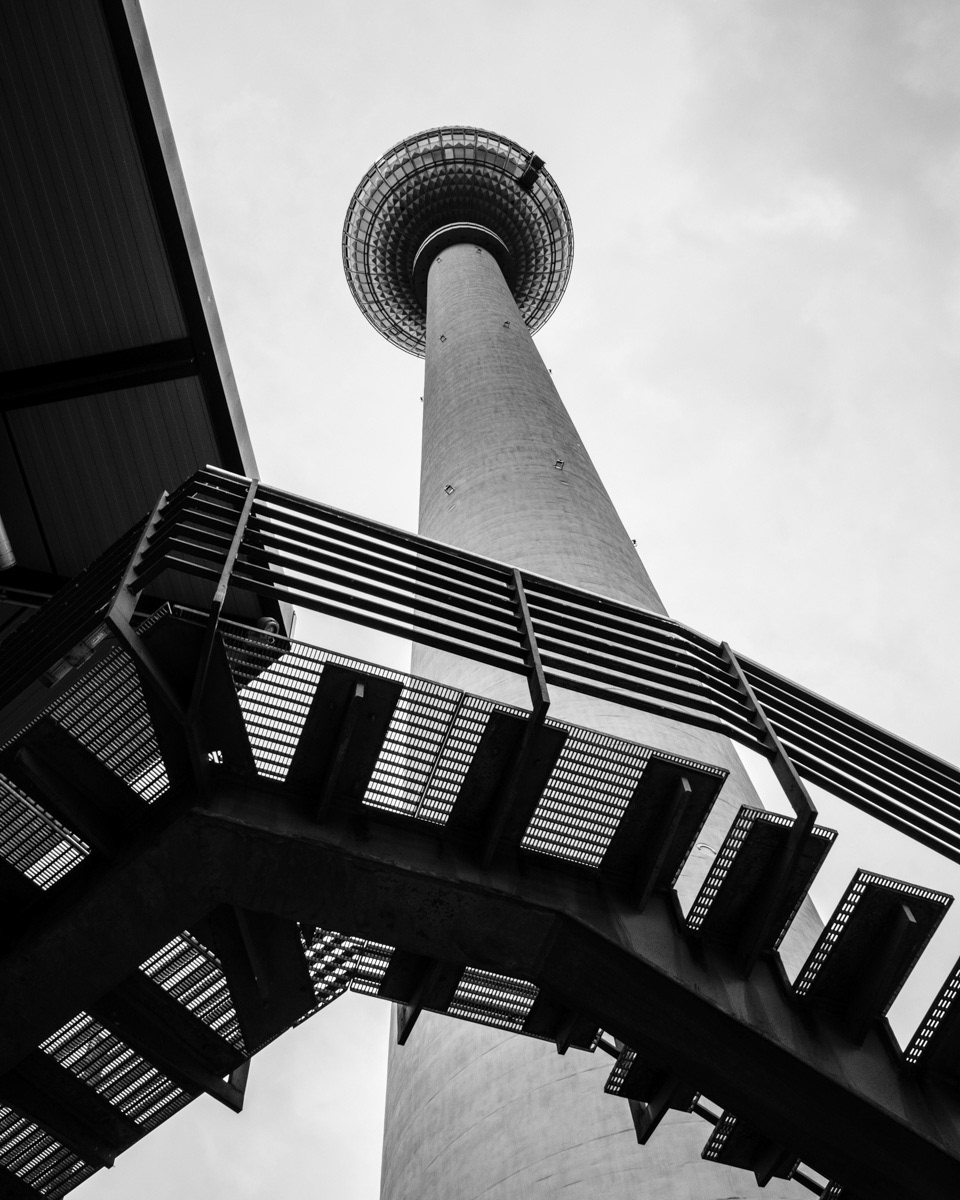
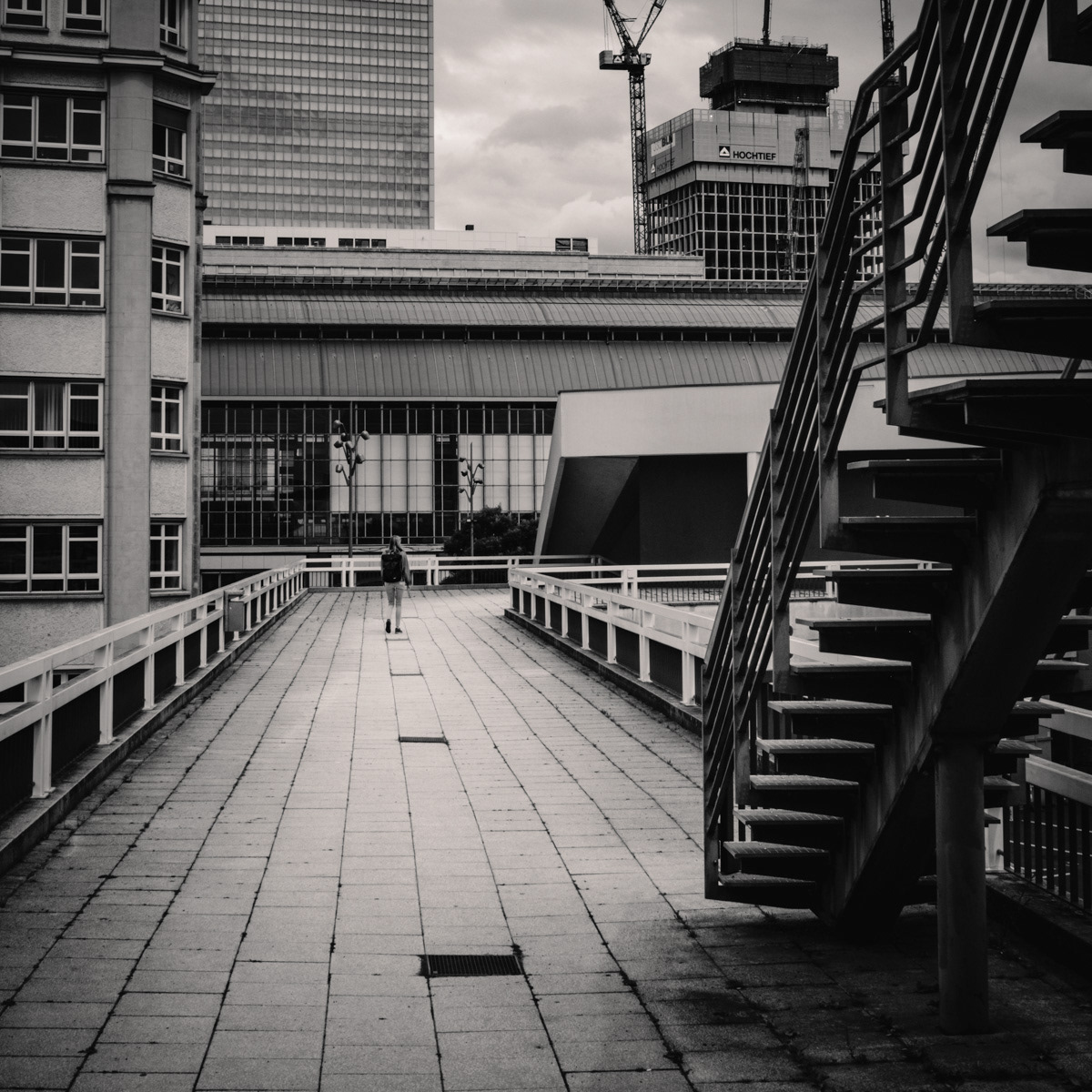
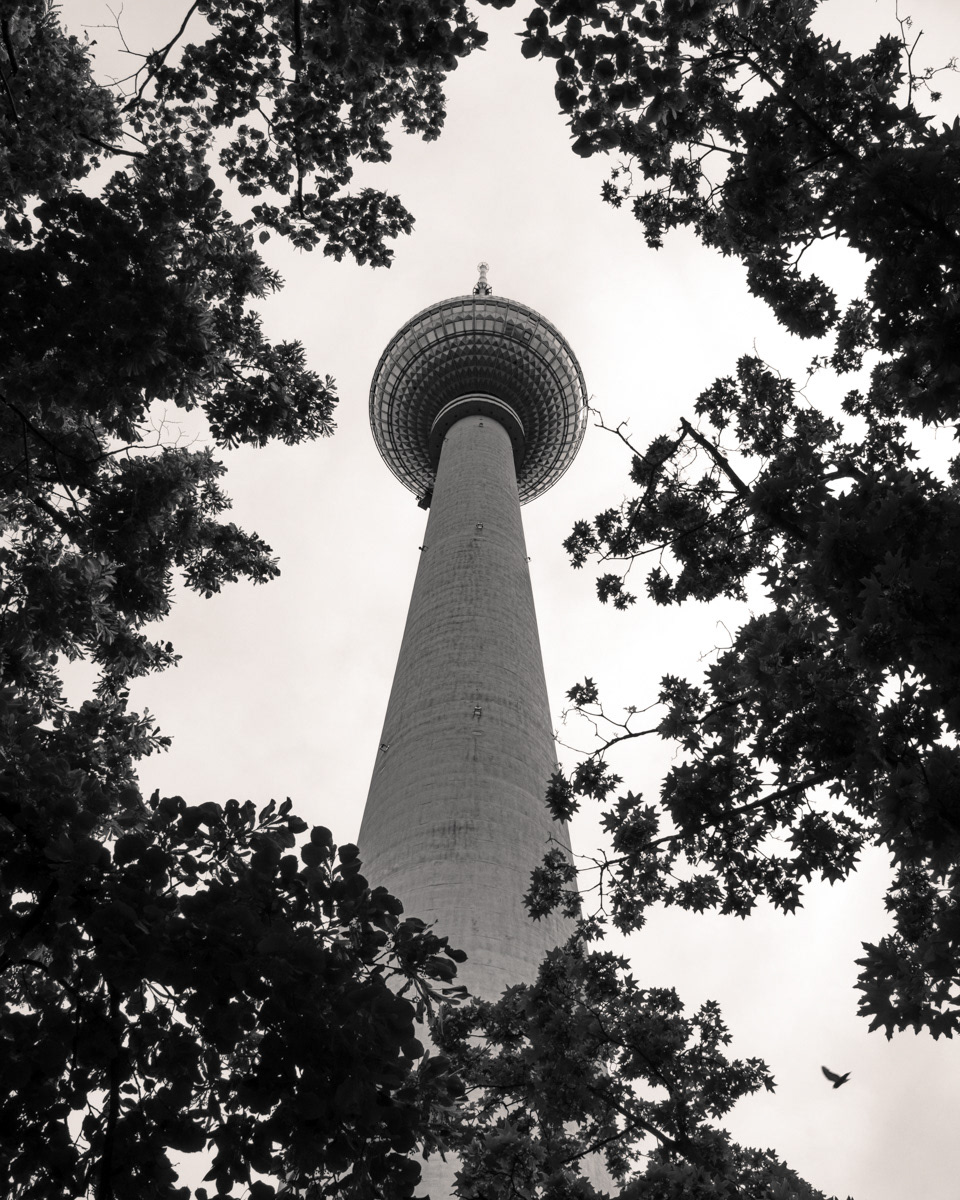
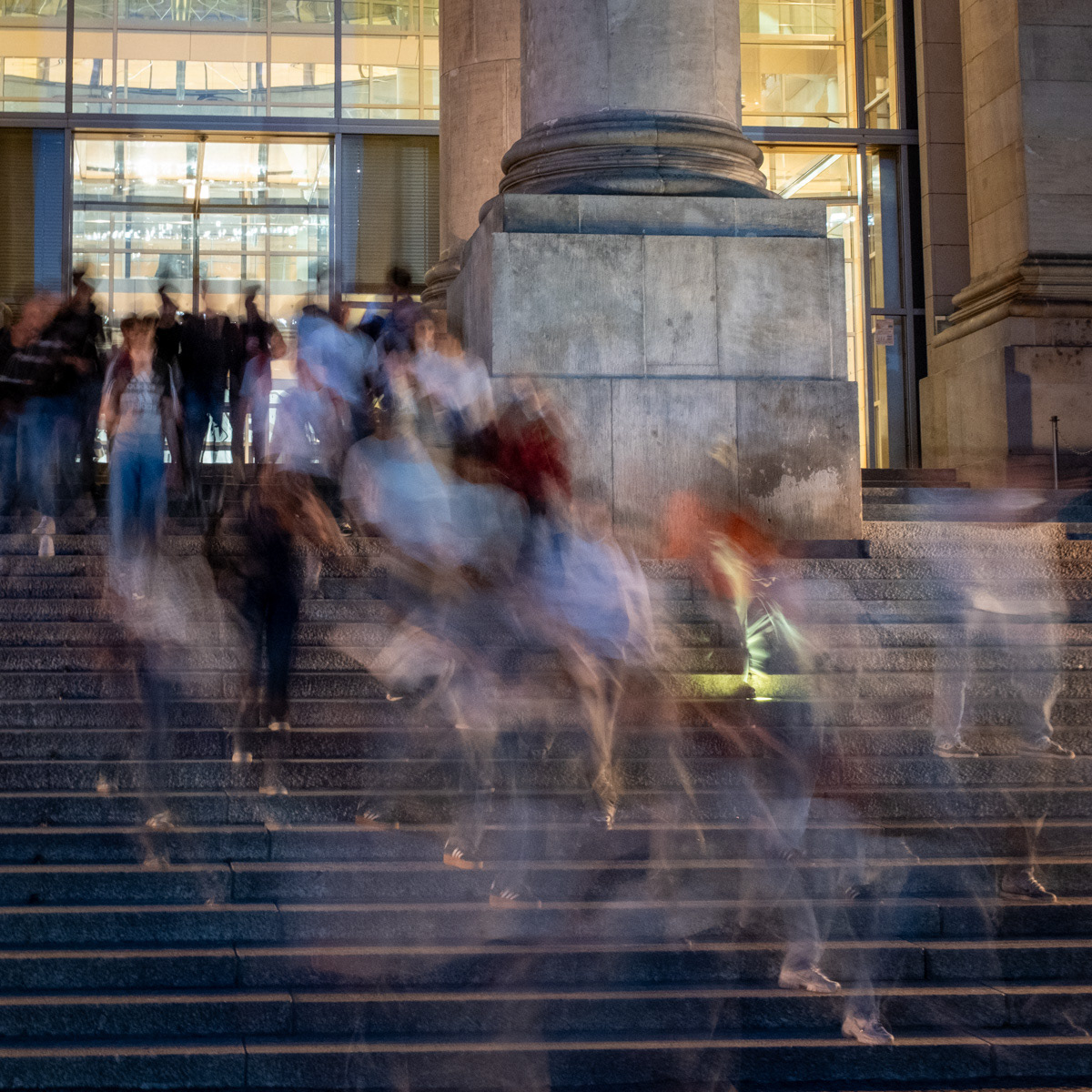
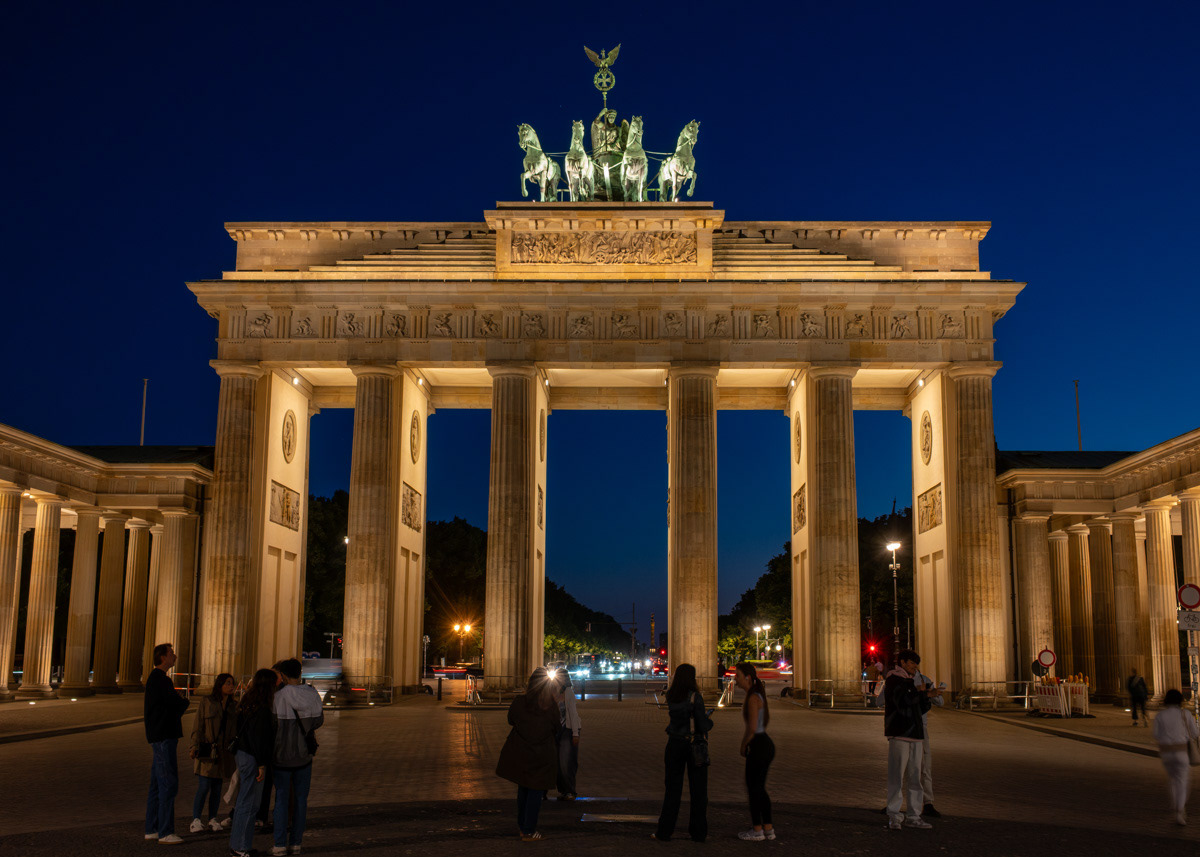
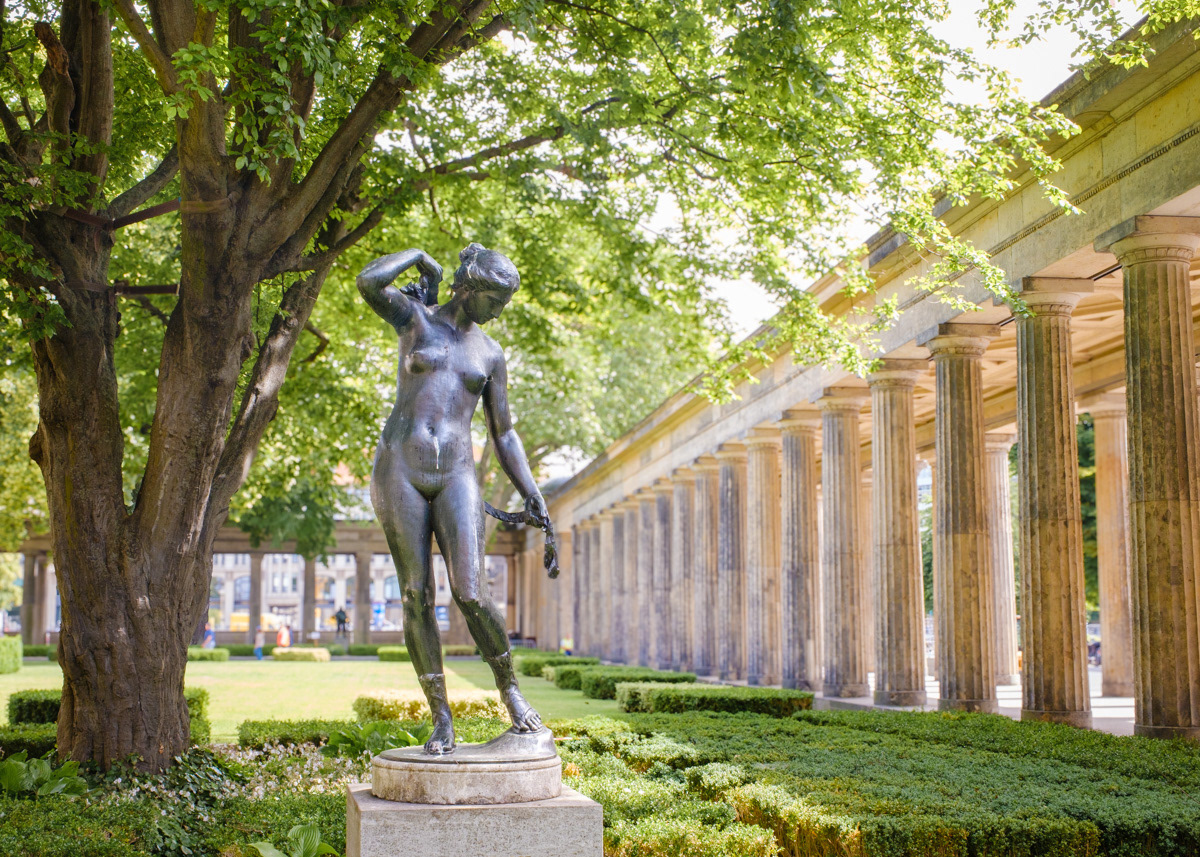
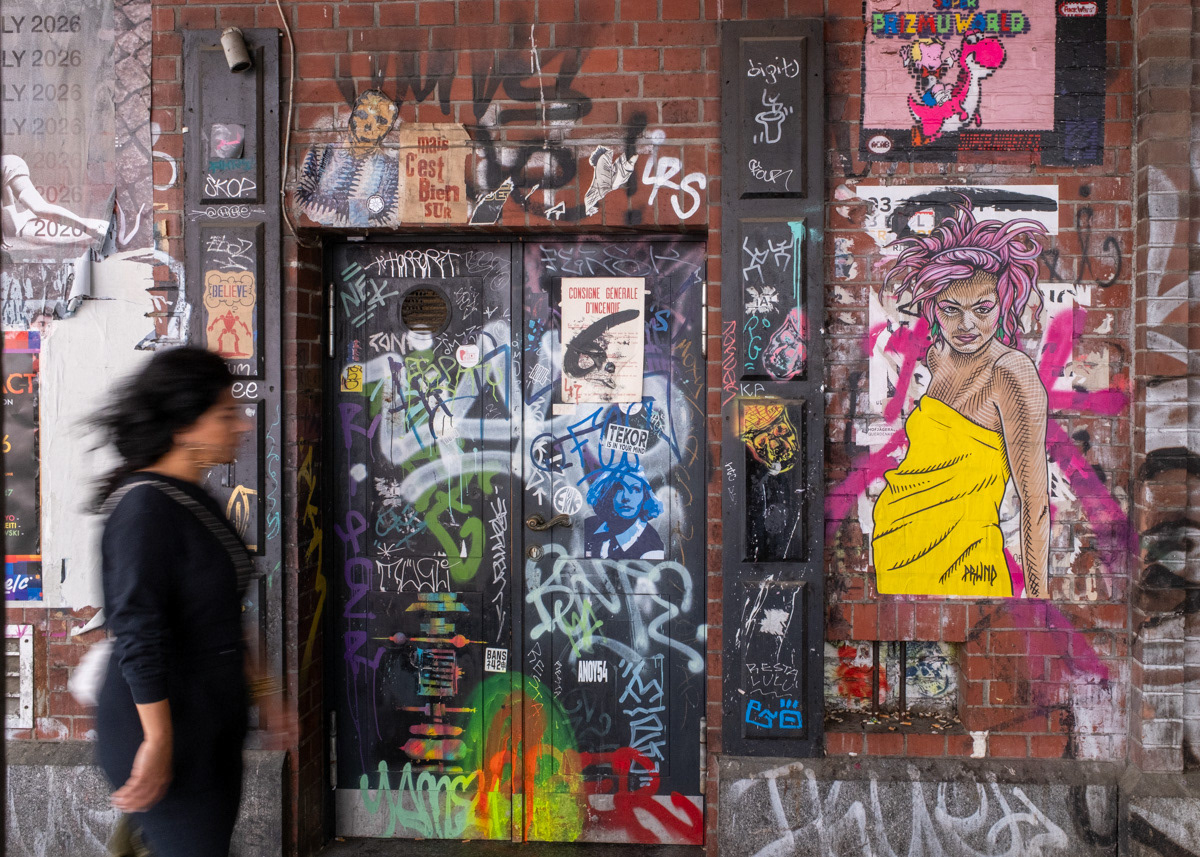
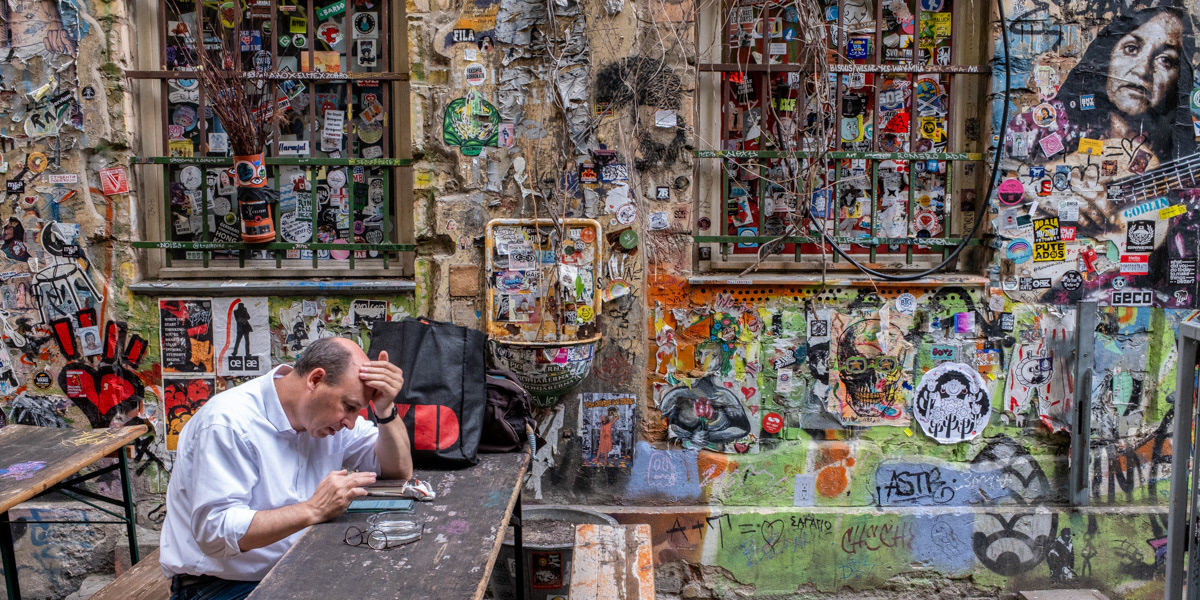
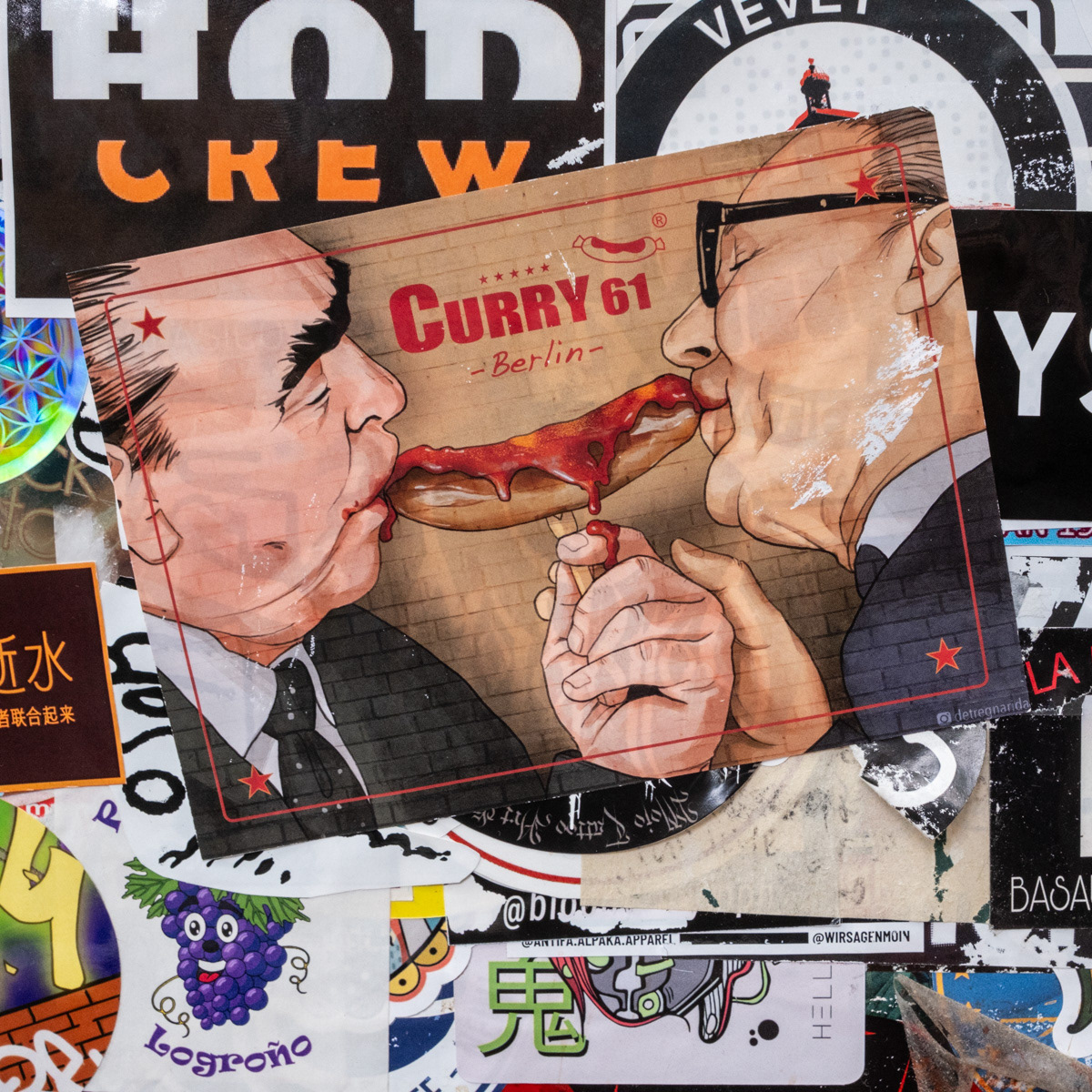
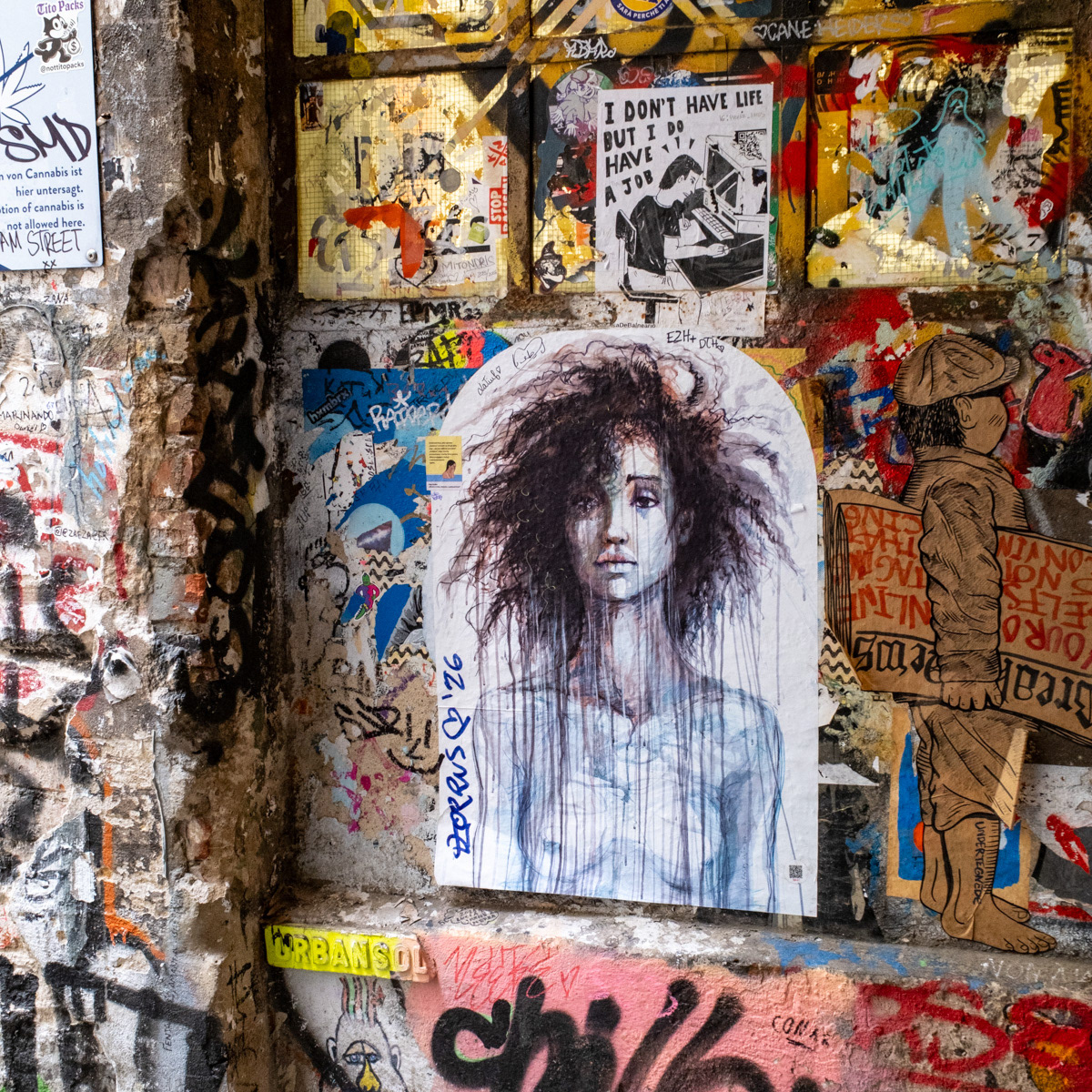
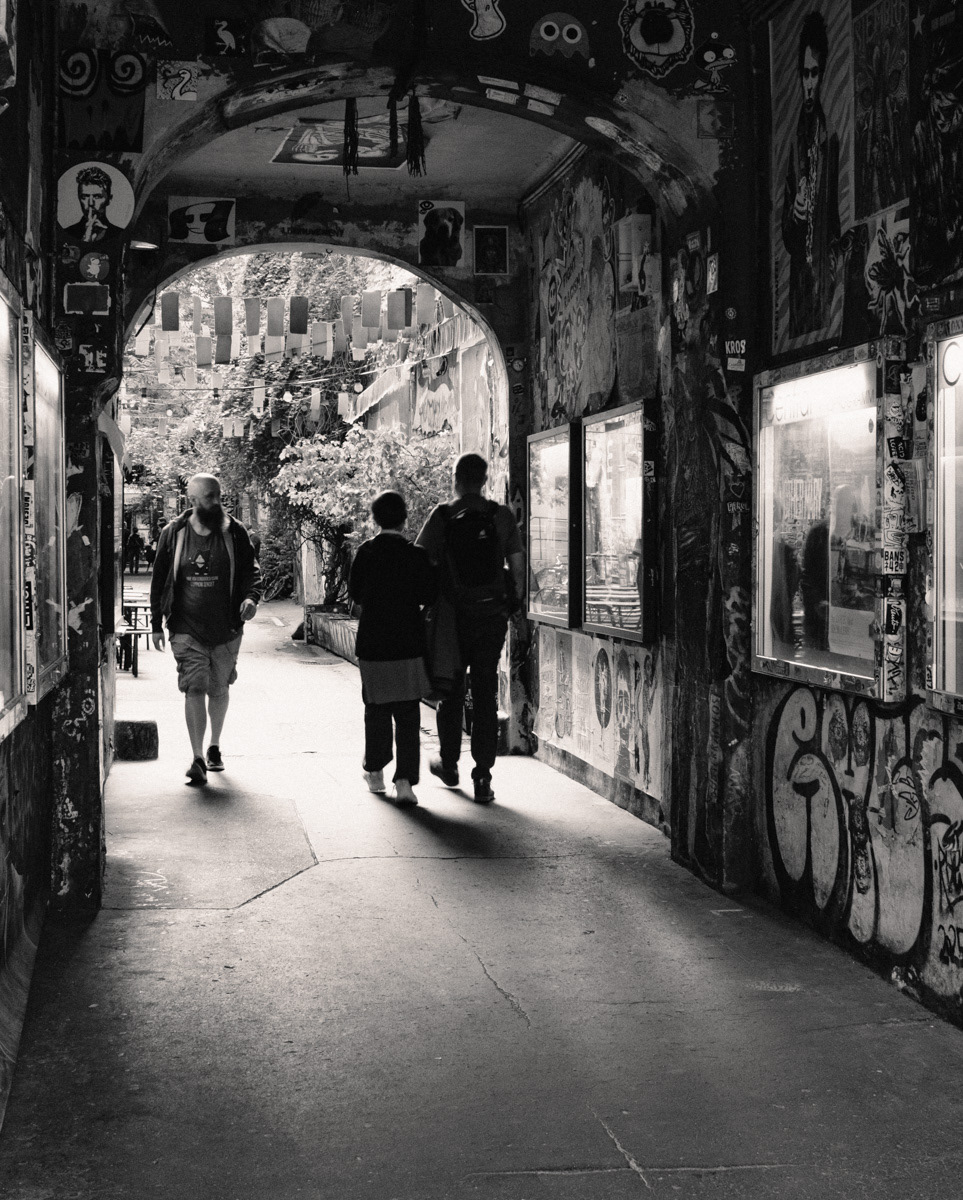
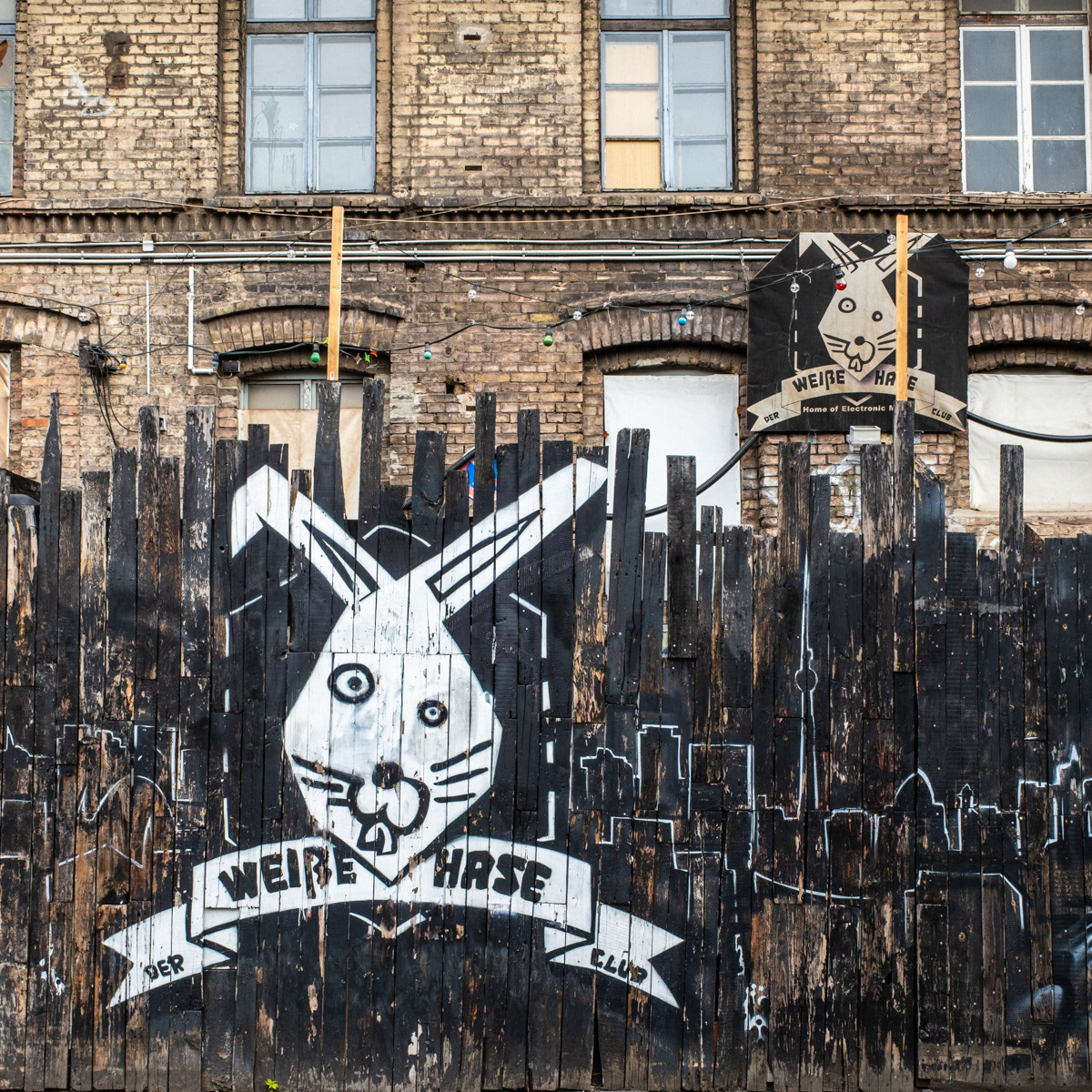
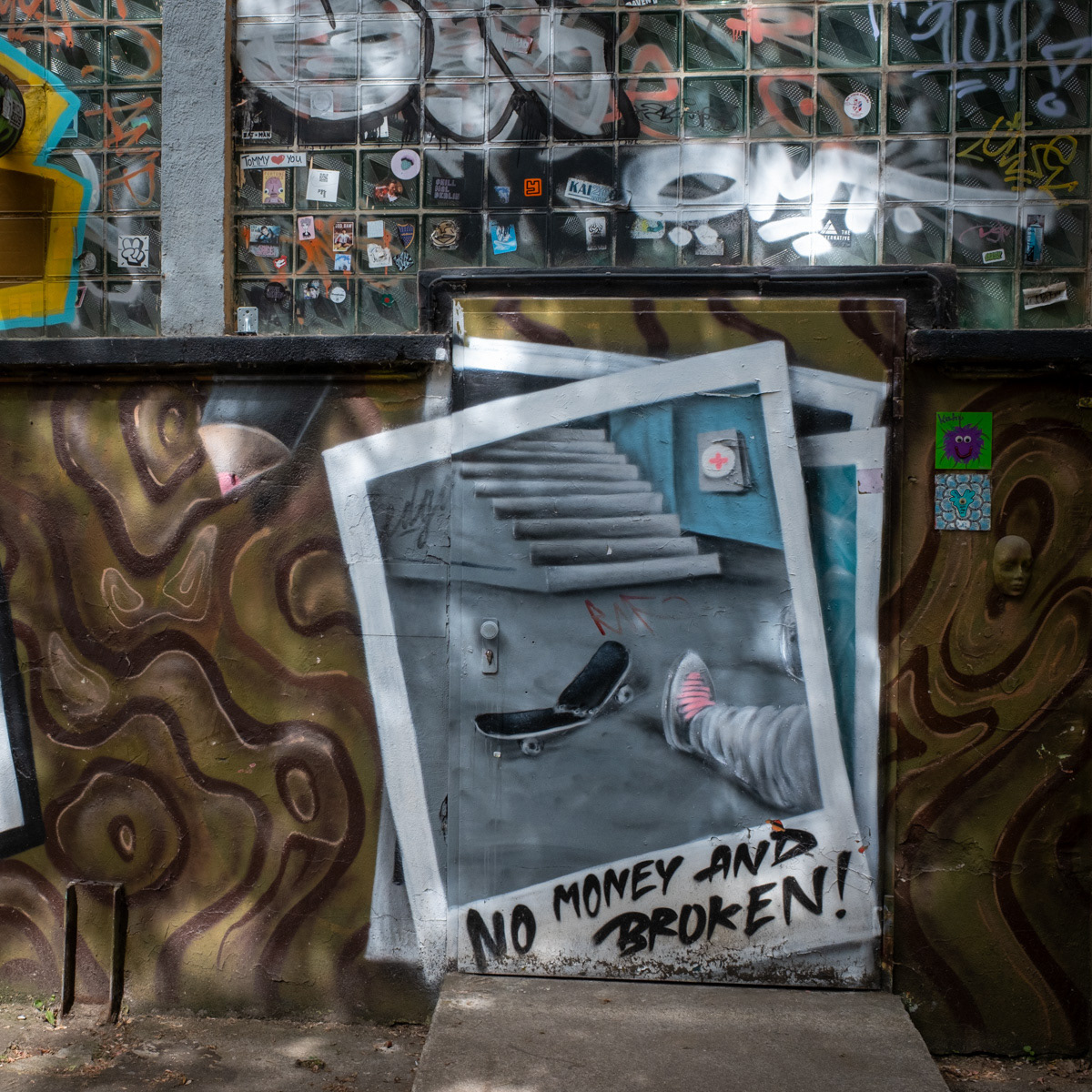
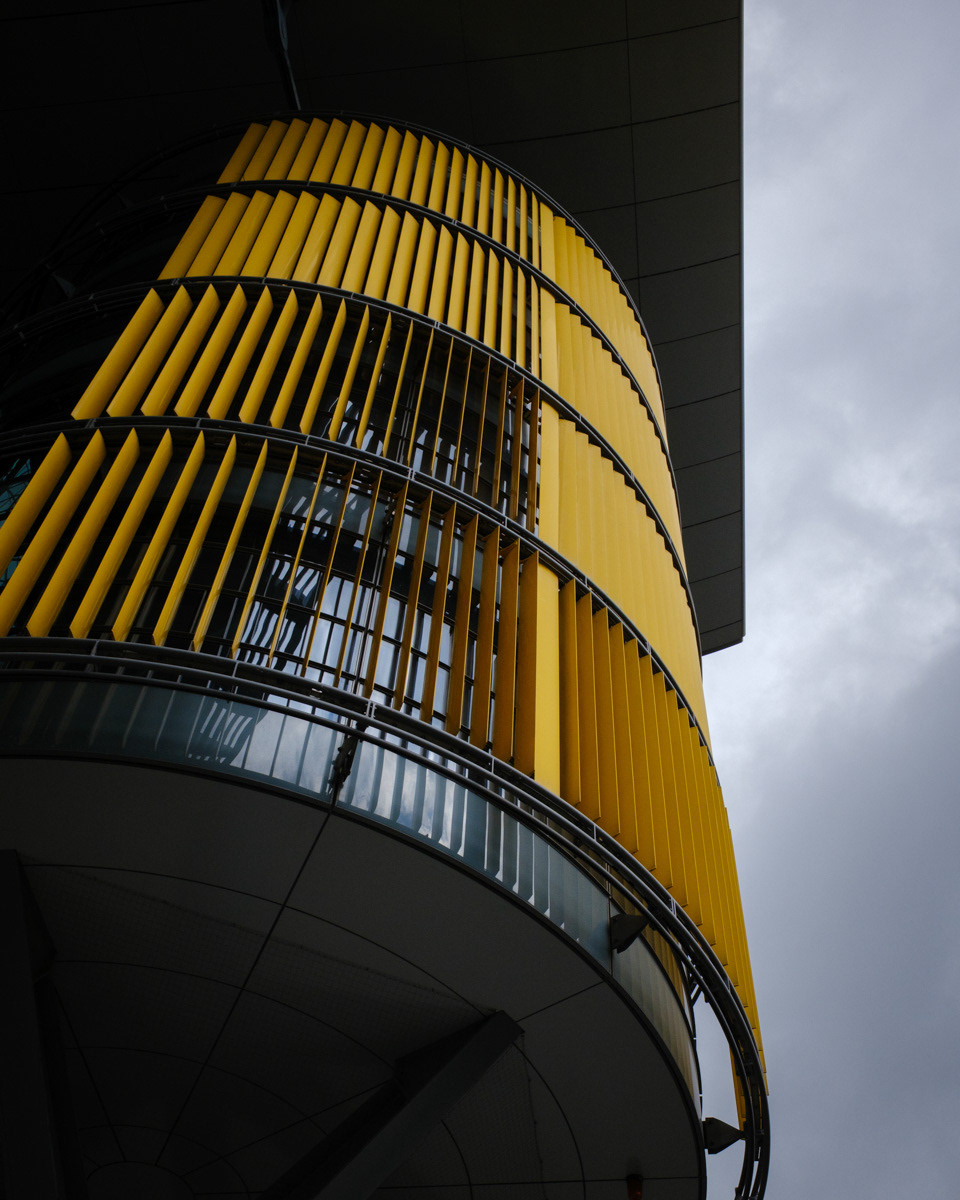
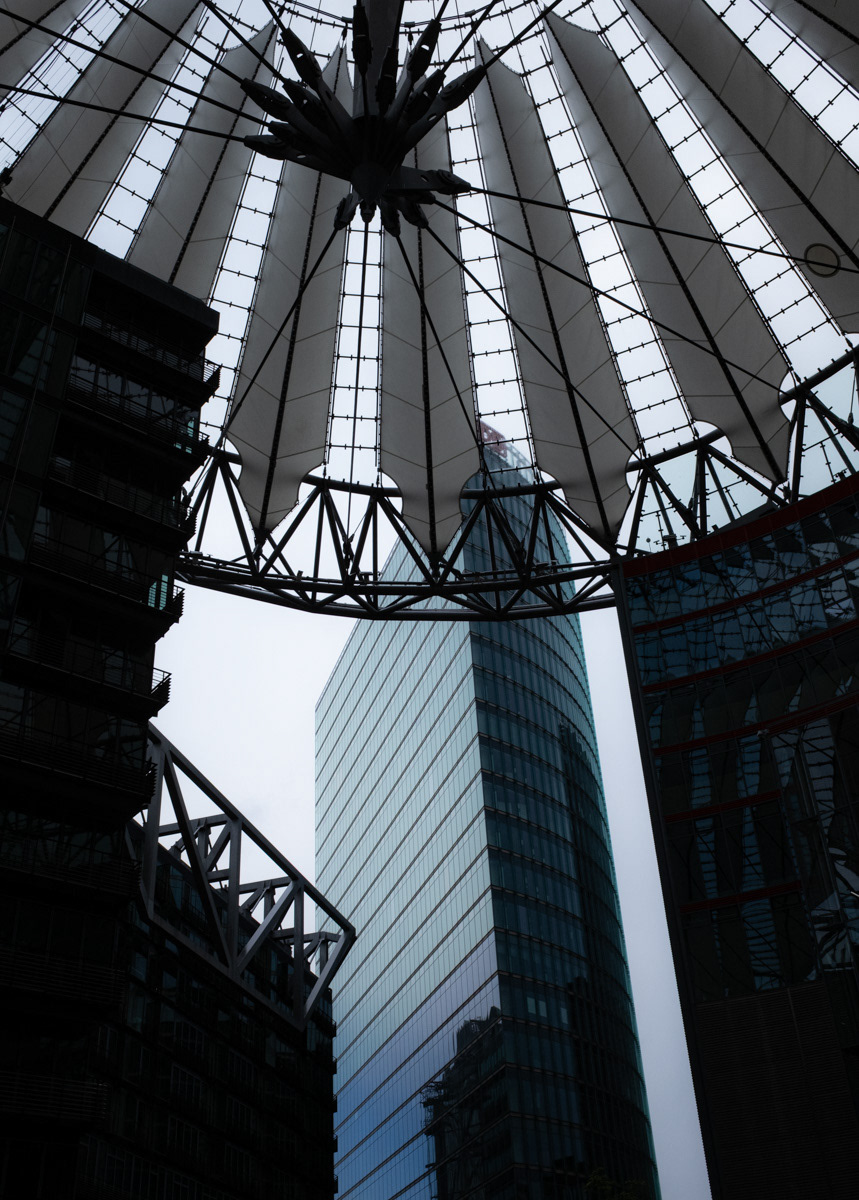
Berlin was where we started our trip, and it was exactly the “something different” we were hoping for. The city felt vibrant and diverse — full of young people, joyful energy, introspection, acceptance, and open-mindedness. A huge melting pot of people, bicycles, subways, museums, graffiti, art, architecture, and ideas. It was extremely honest about its past (and its mistakes), yet rooted in optimism and looking toward the future. Truly, a world-class city.
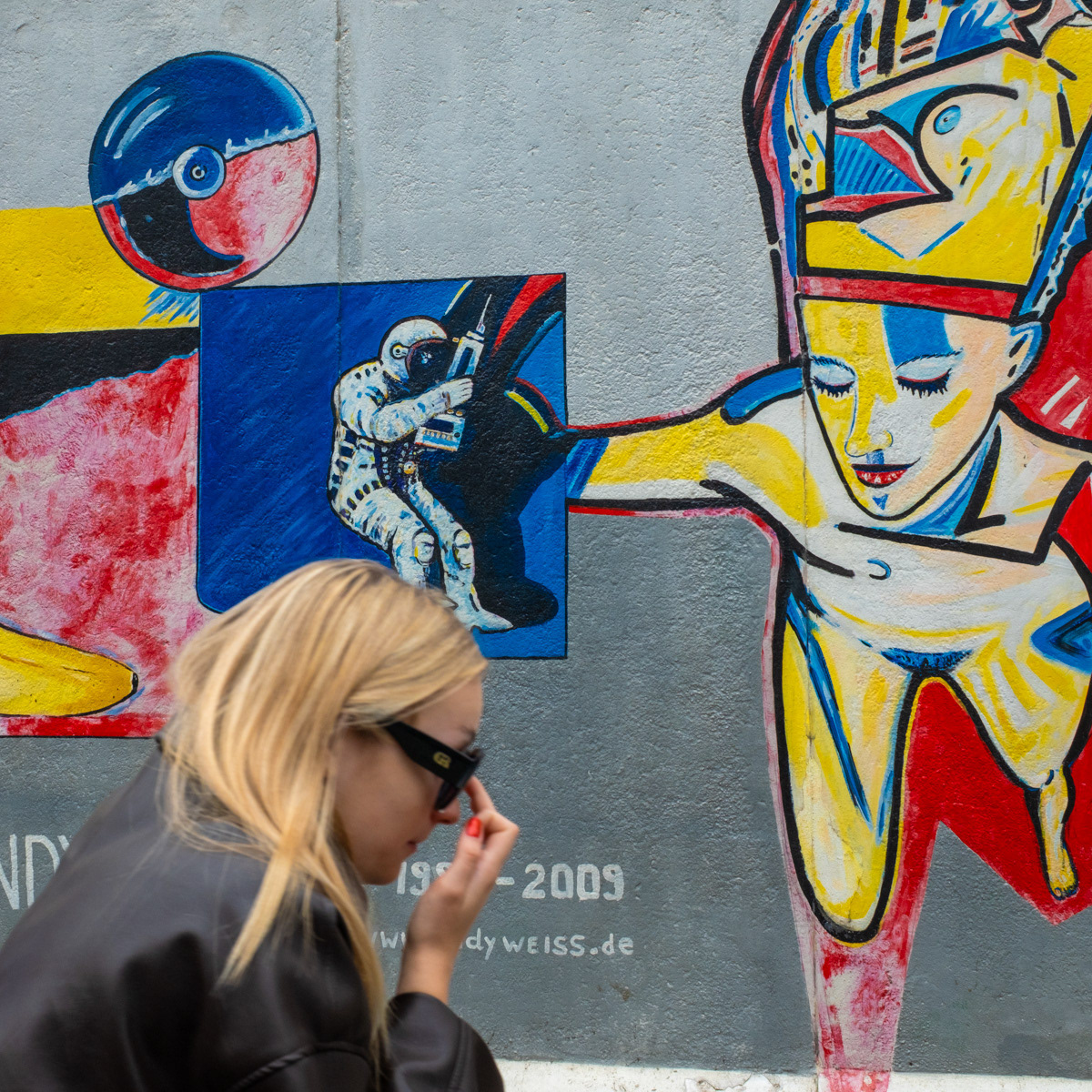
And unlike many other northern European cities, Berlin was decidedly not stuffy. Dare I say, it felt laid back. A place that encourages street artists. A place that values public spaces. A place willing to take chances on avant-garde architecture. A place that can host a Marina Abramović exhibit full of twenty-foot penises and amorous skeletons without so much as a raised eyebrow.
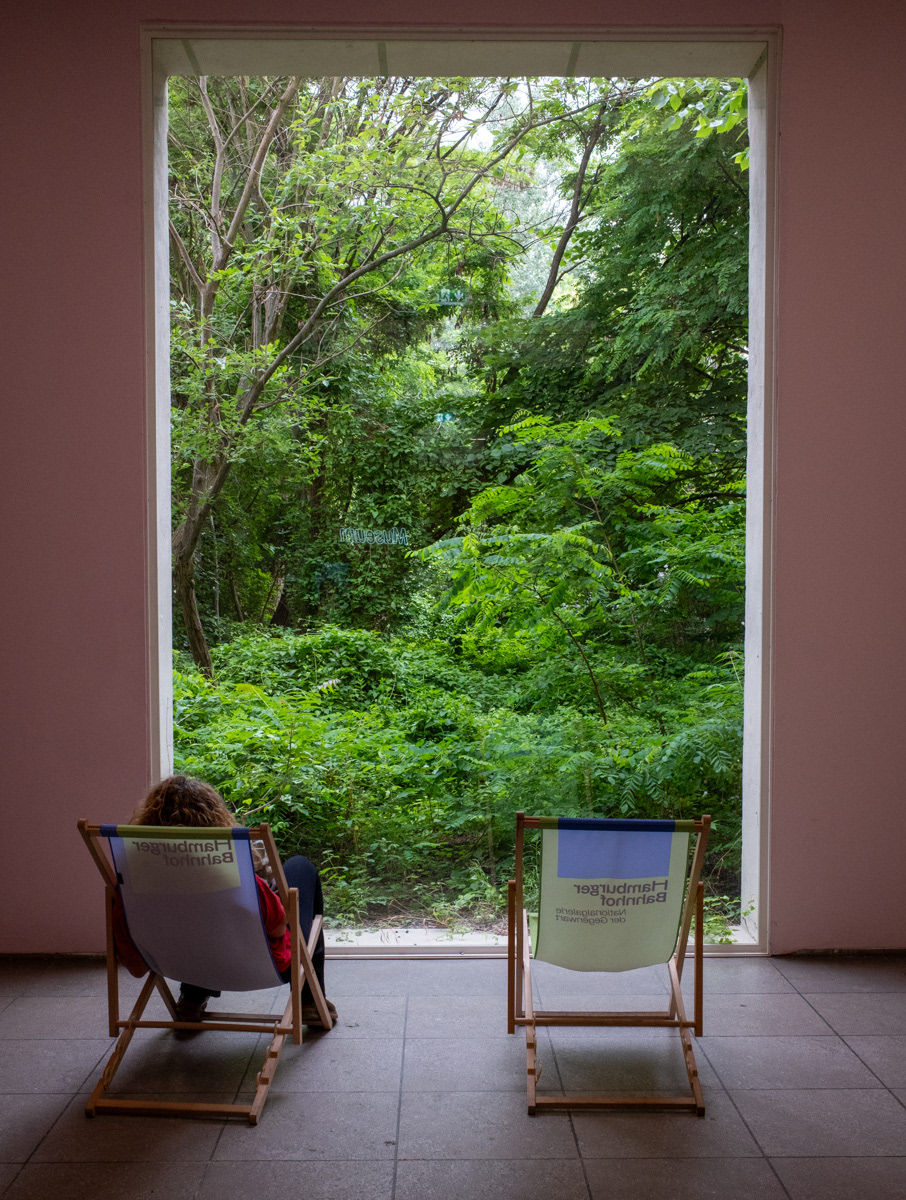
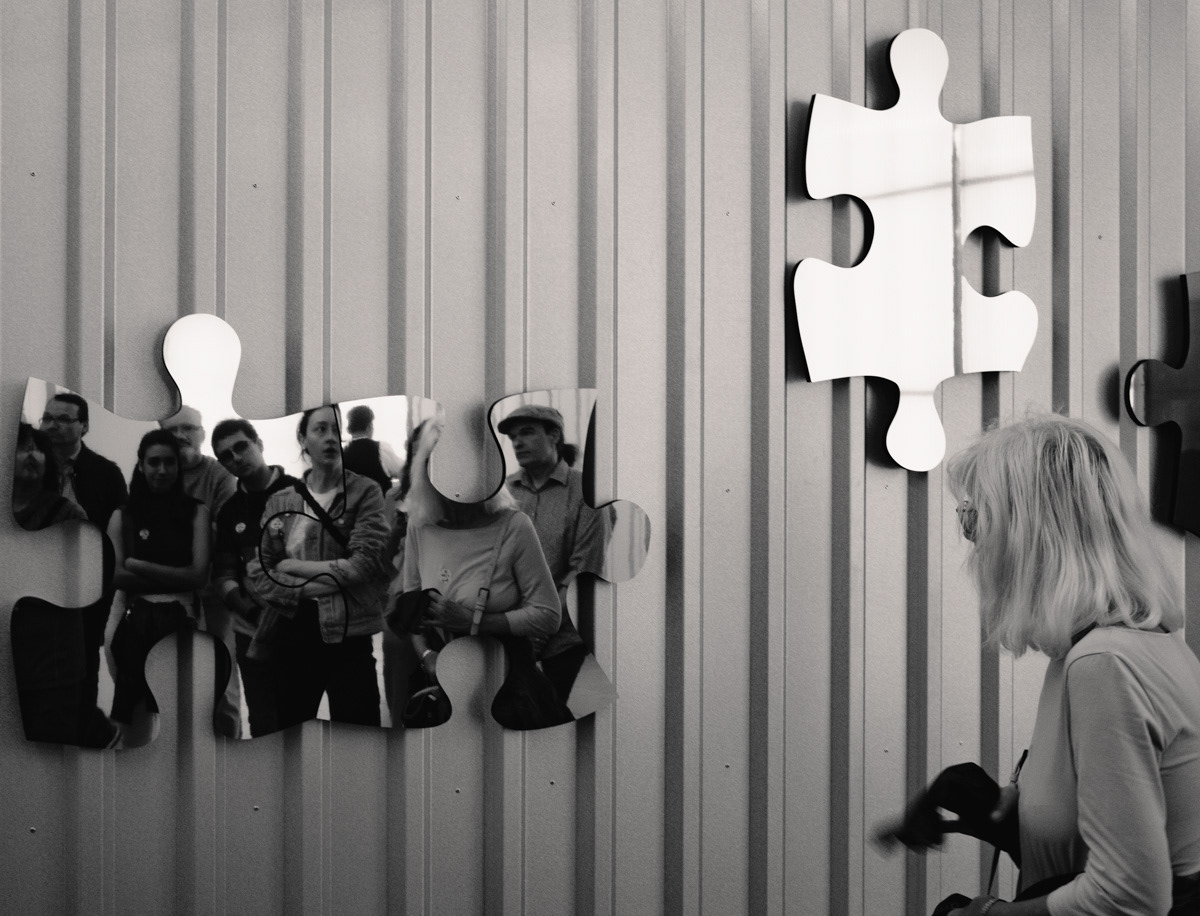
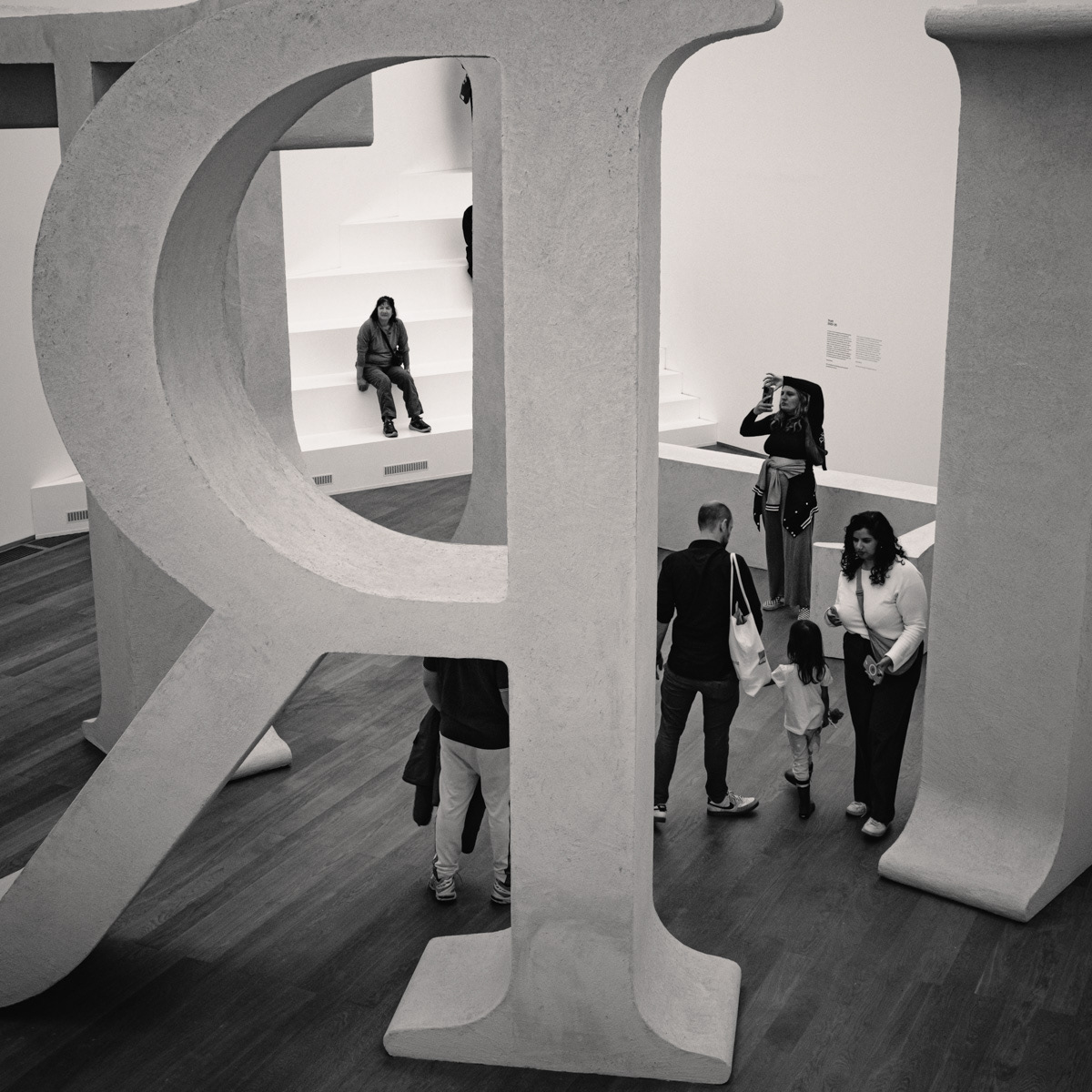
We felt immediately at home joining the Open House hosted by the Hamburger Bahnhof art museum. We drifted through a sea of people playing in a hall full of building blocks, a darkened arena of roller skaters dancing to disco, countless guided tours weaving through the crowds, and a band playing covers of American pop songs while serving Fitz Cola. Families, singles, tourists, grandparents — the energy and sense of community were welcoming and genuinely beautiful.
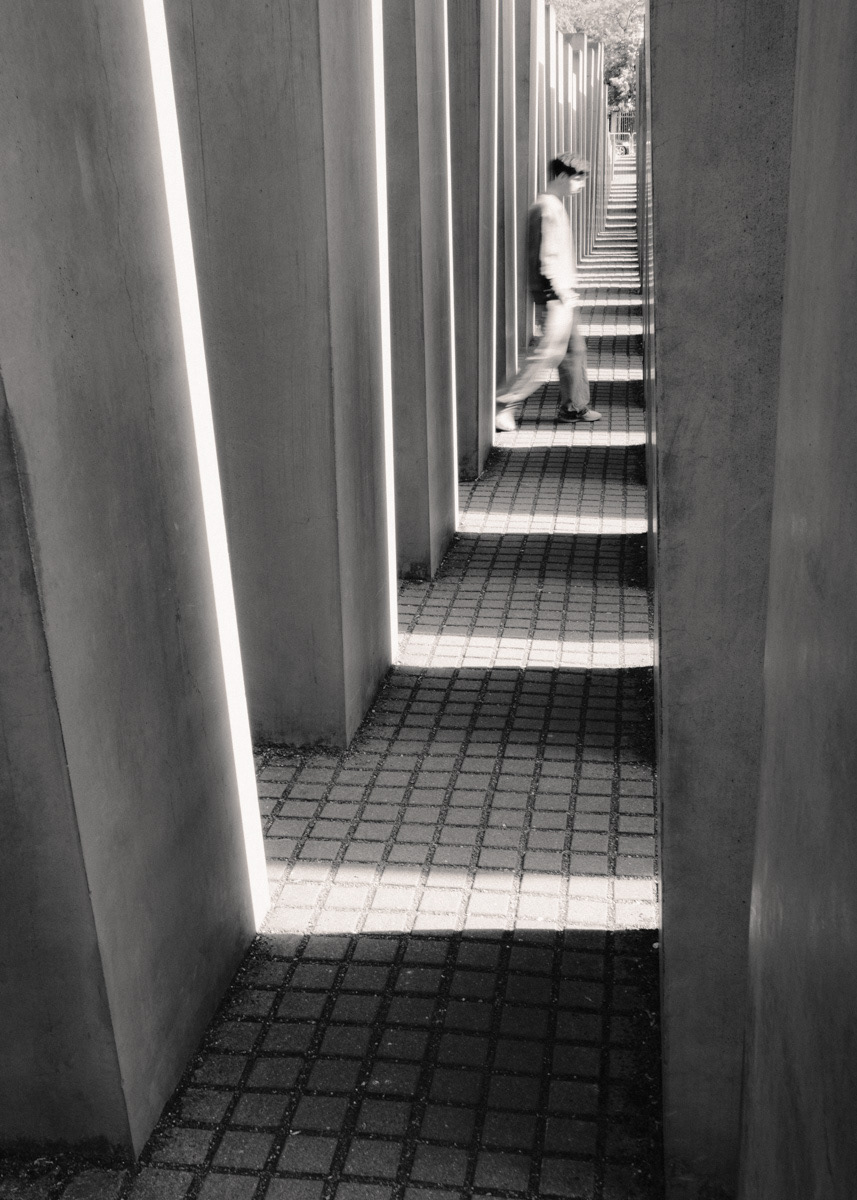
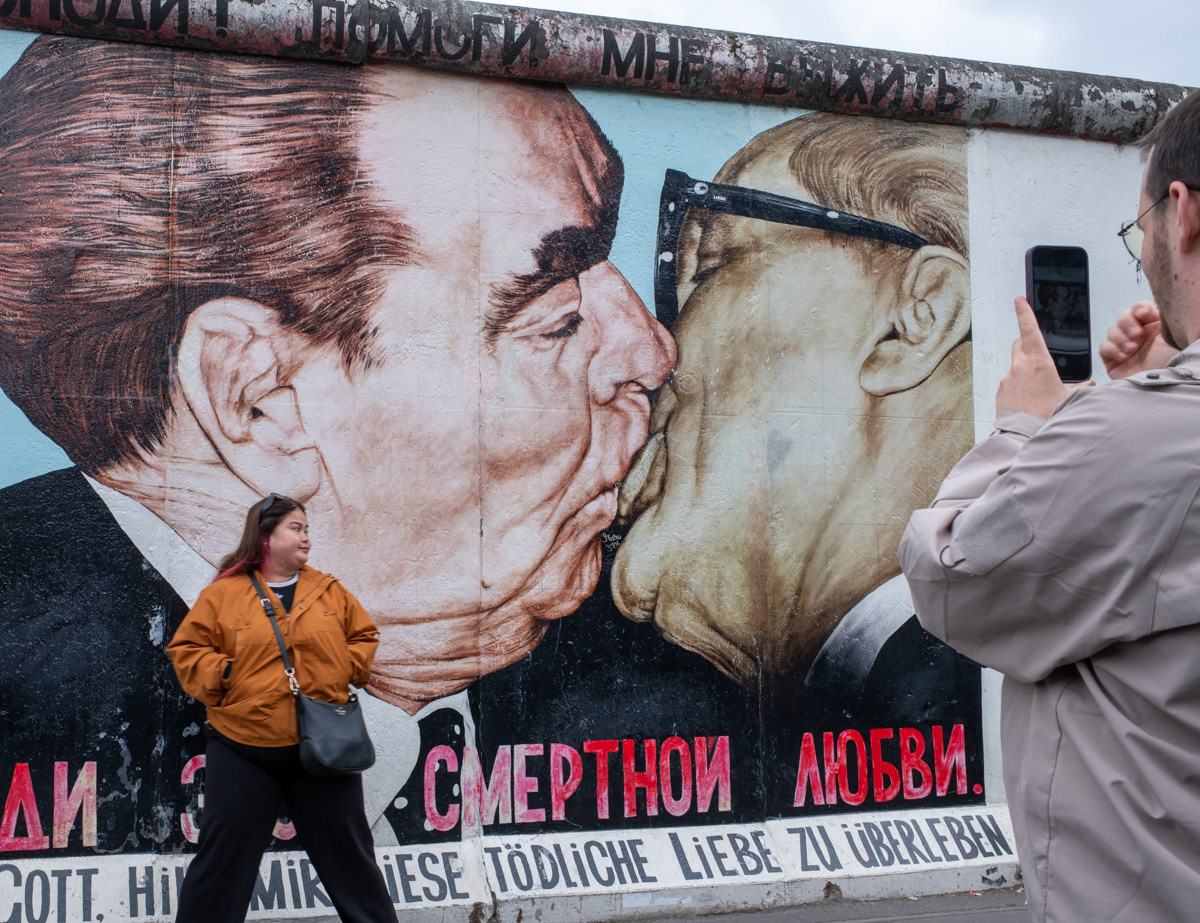
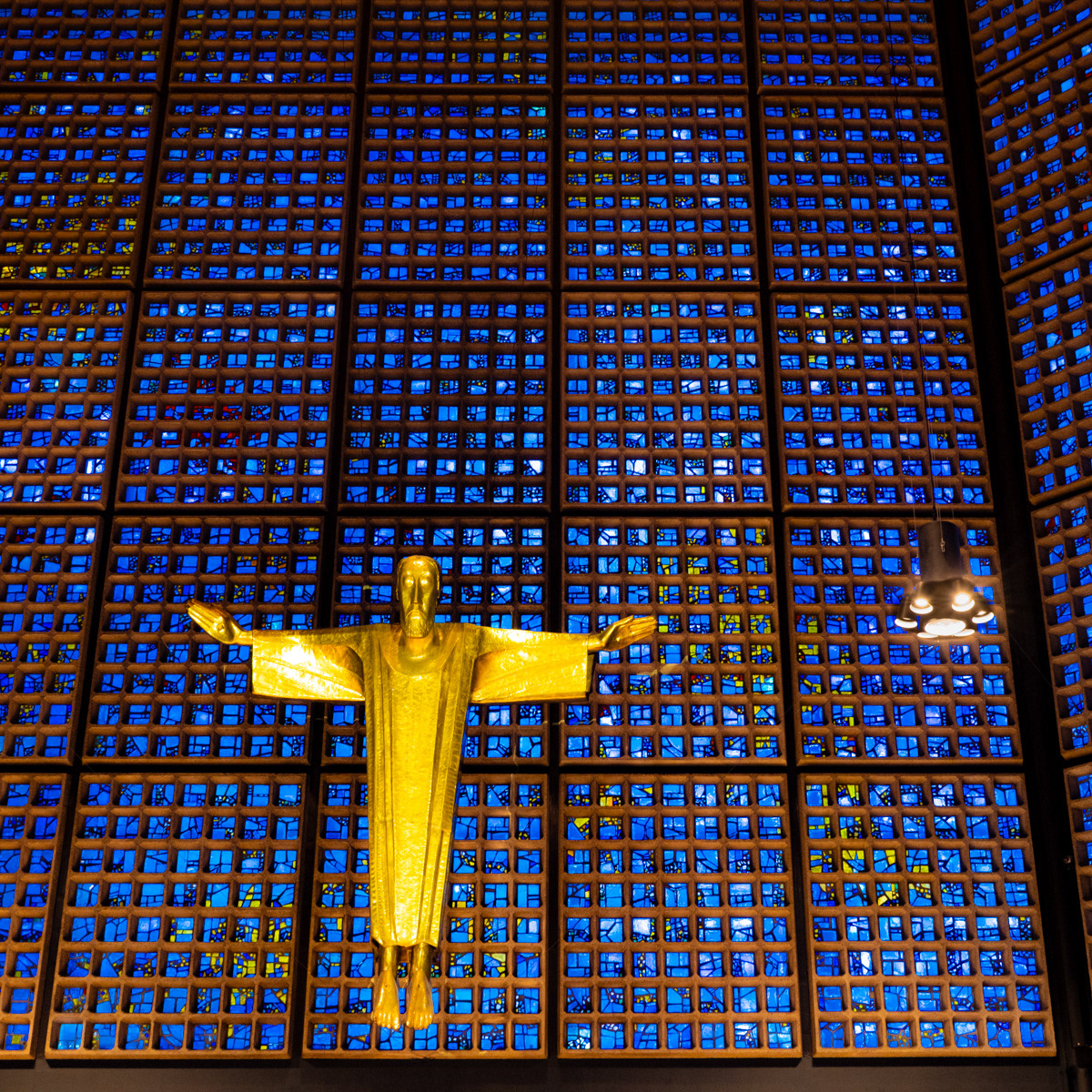
For all its playfulness, Berlin never let us forget what it had endured. Serious events — the murder of Jews, the burning of books, the bombing of a church, the division of the city, the building of the Wall and the tearing down of the Wall — were all treated with honesty and respect. Not swept under a rug. Not papered over with nationalistic slogans. Presented openly, unsentimentally, reflectively.
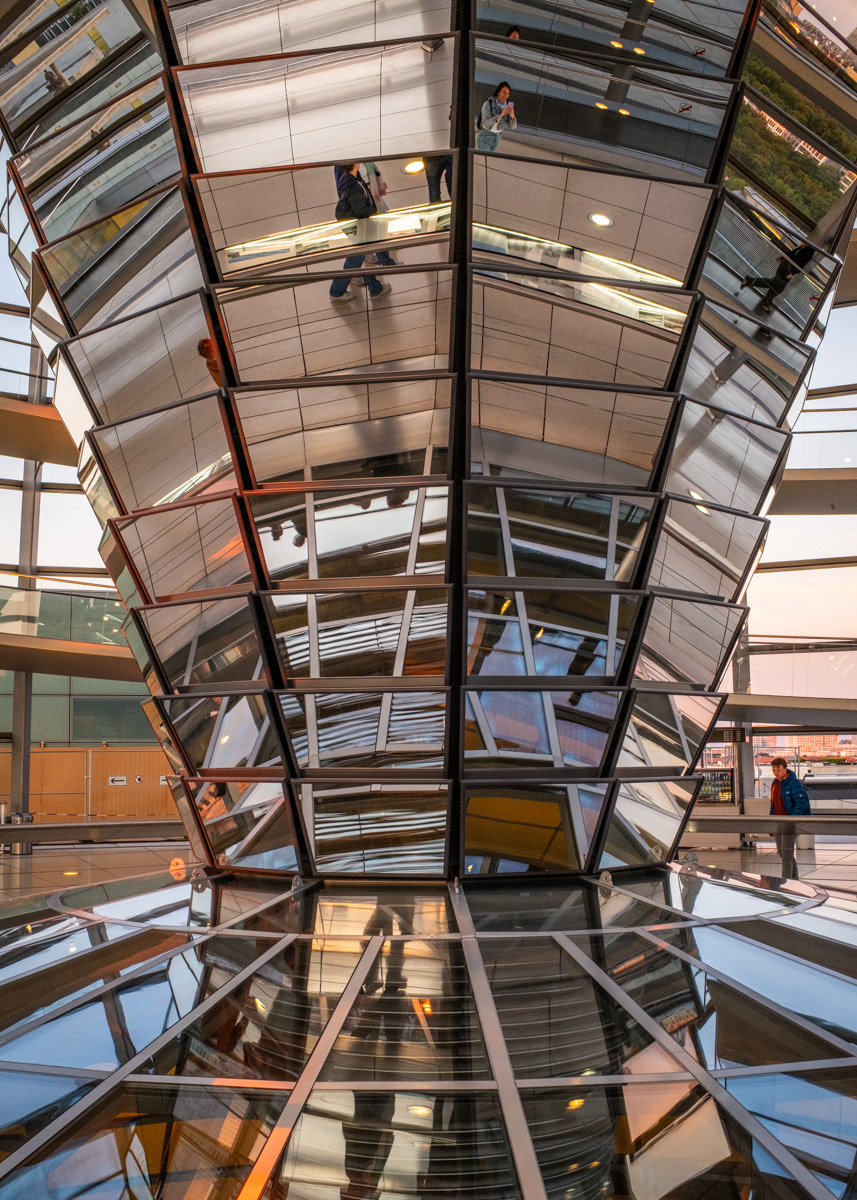
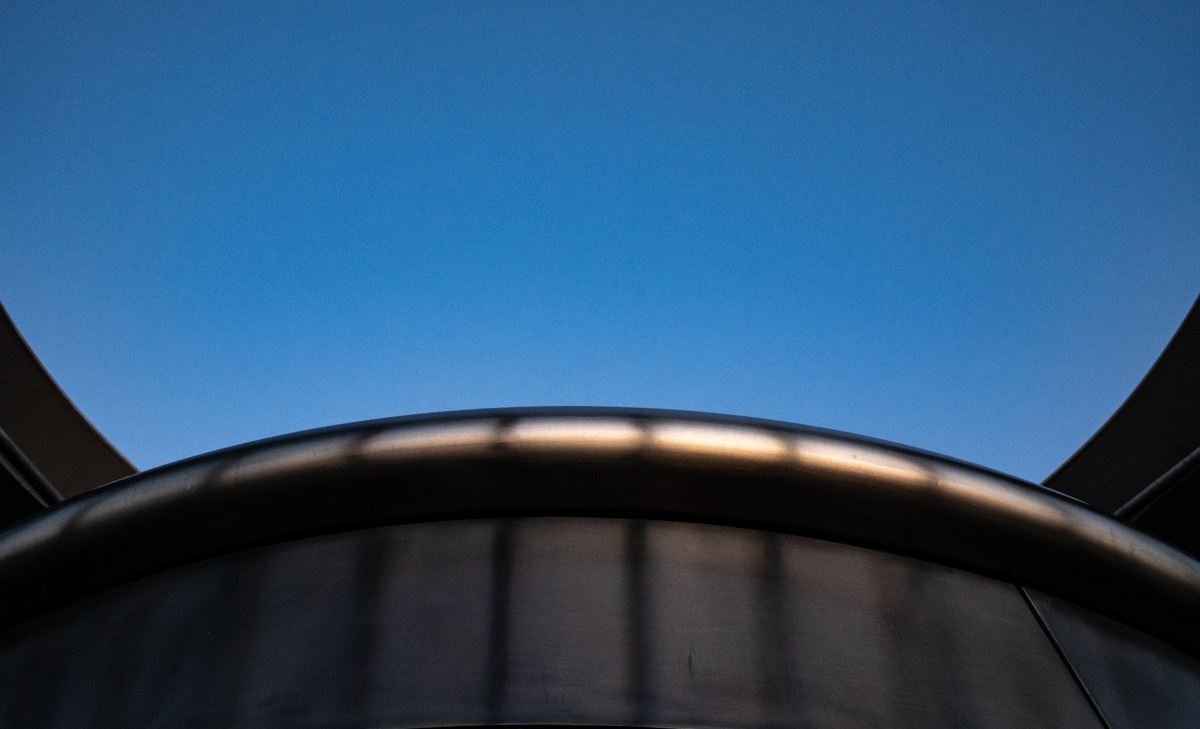
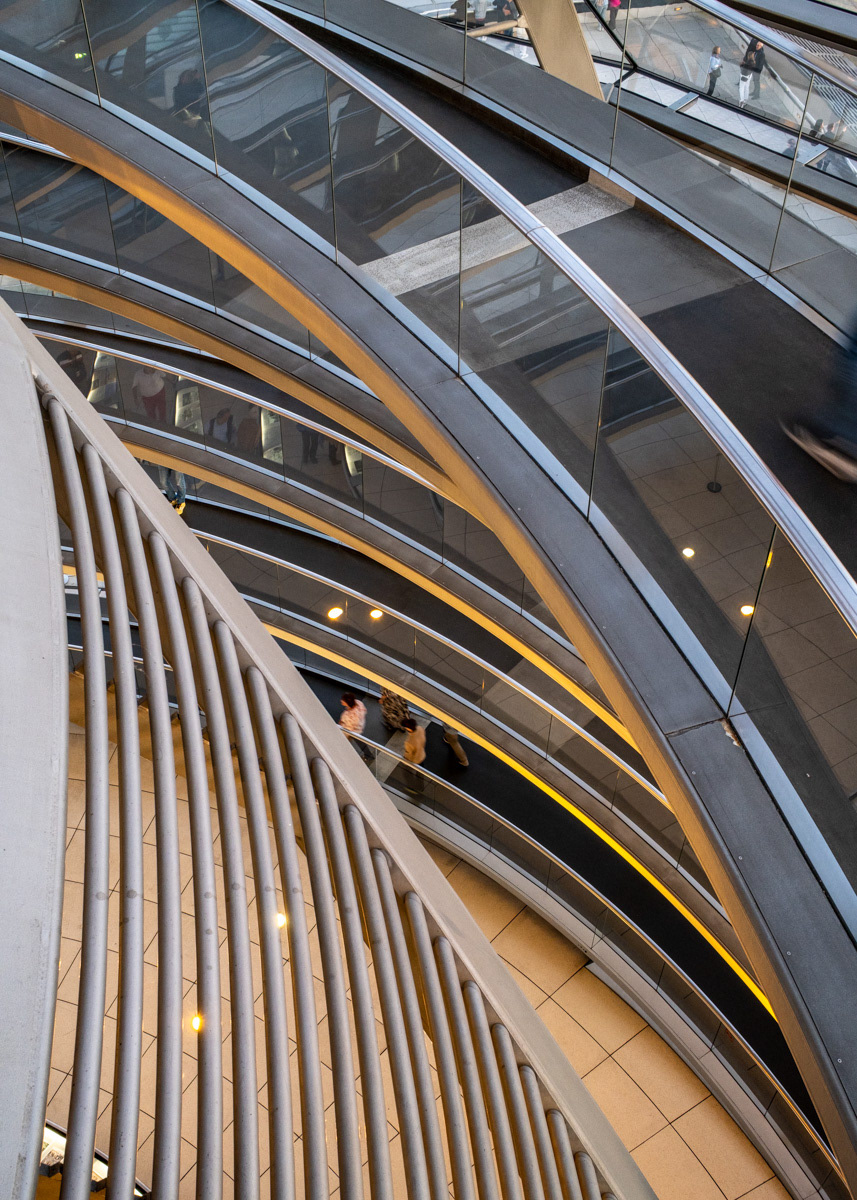
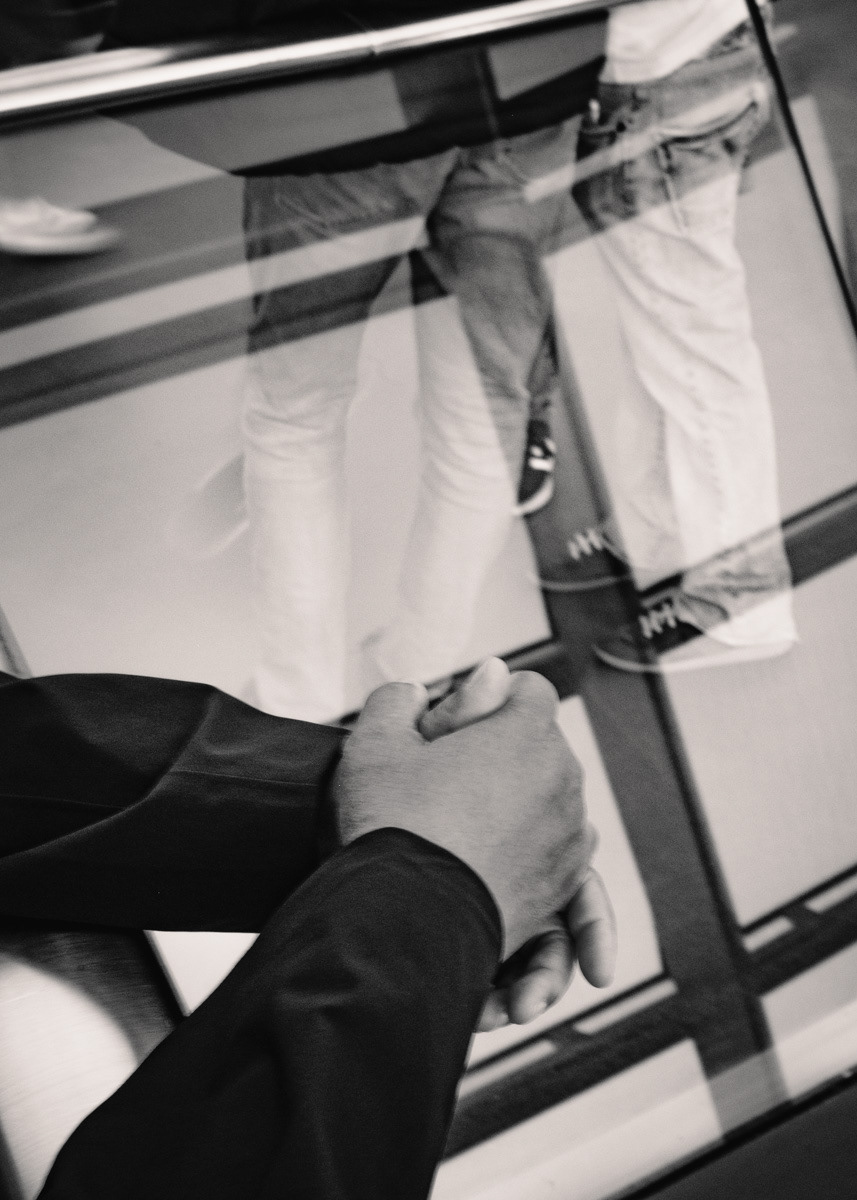
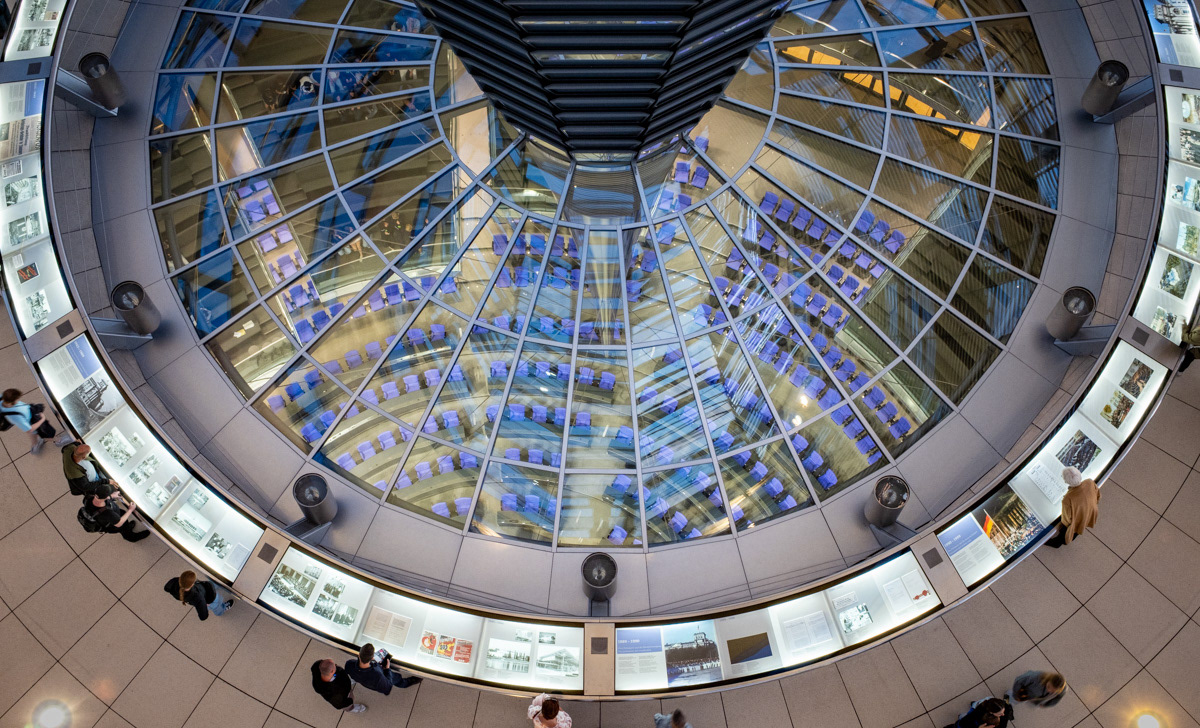
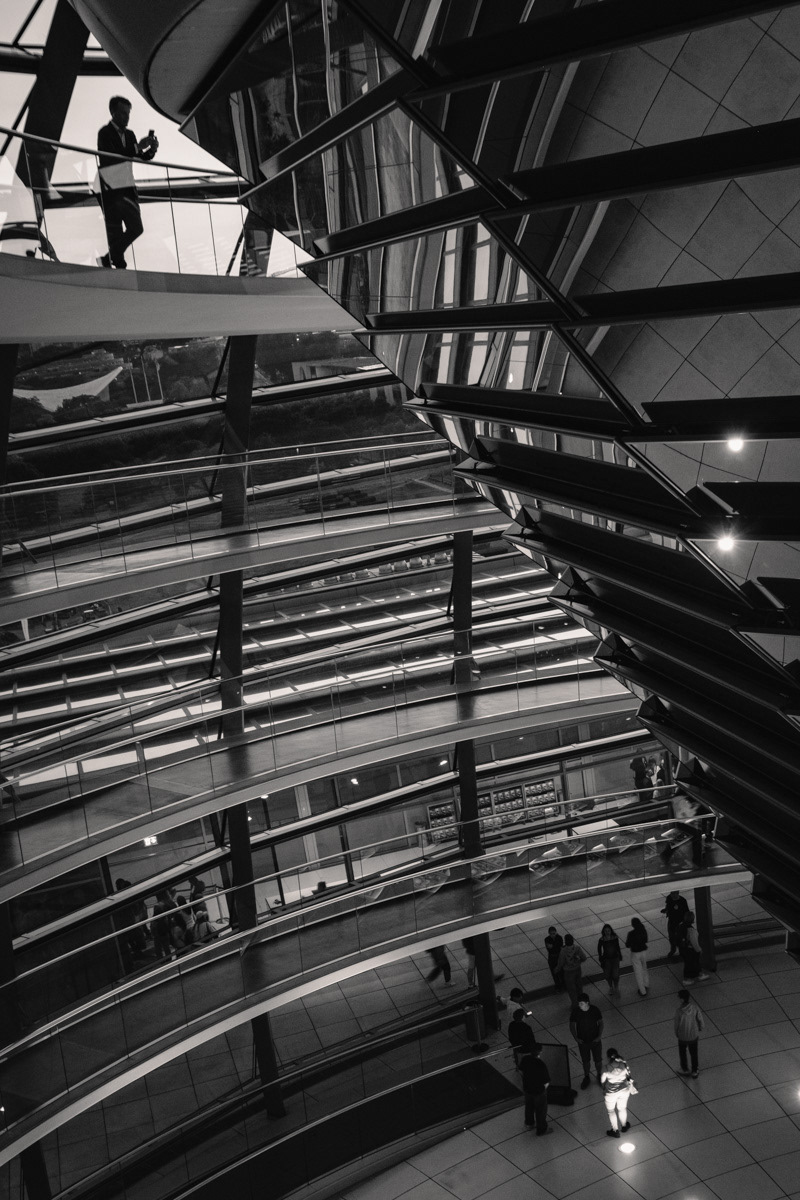
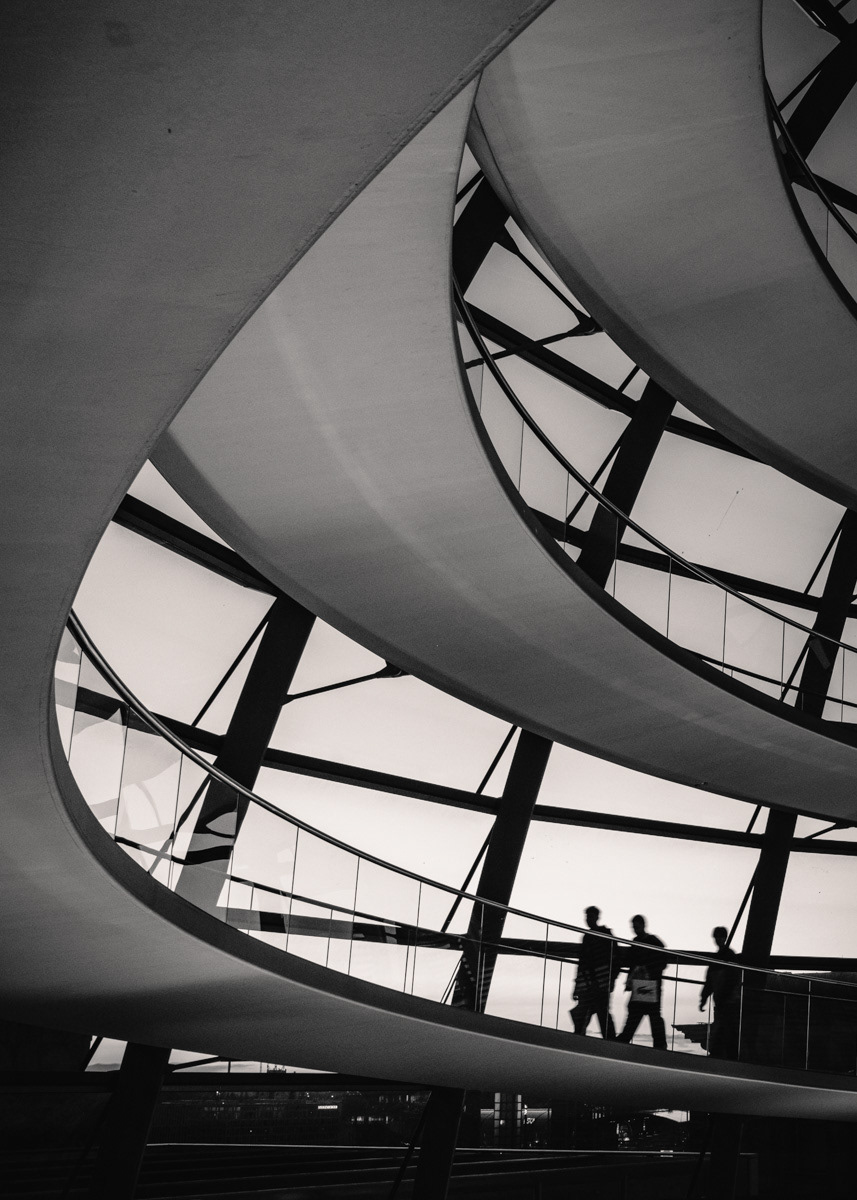
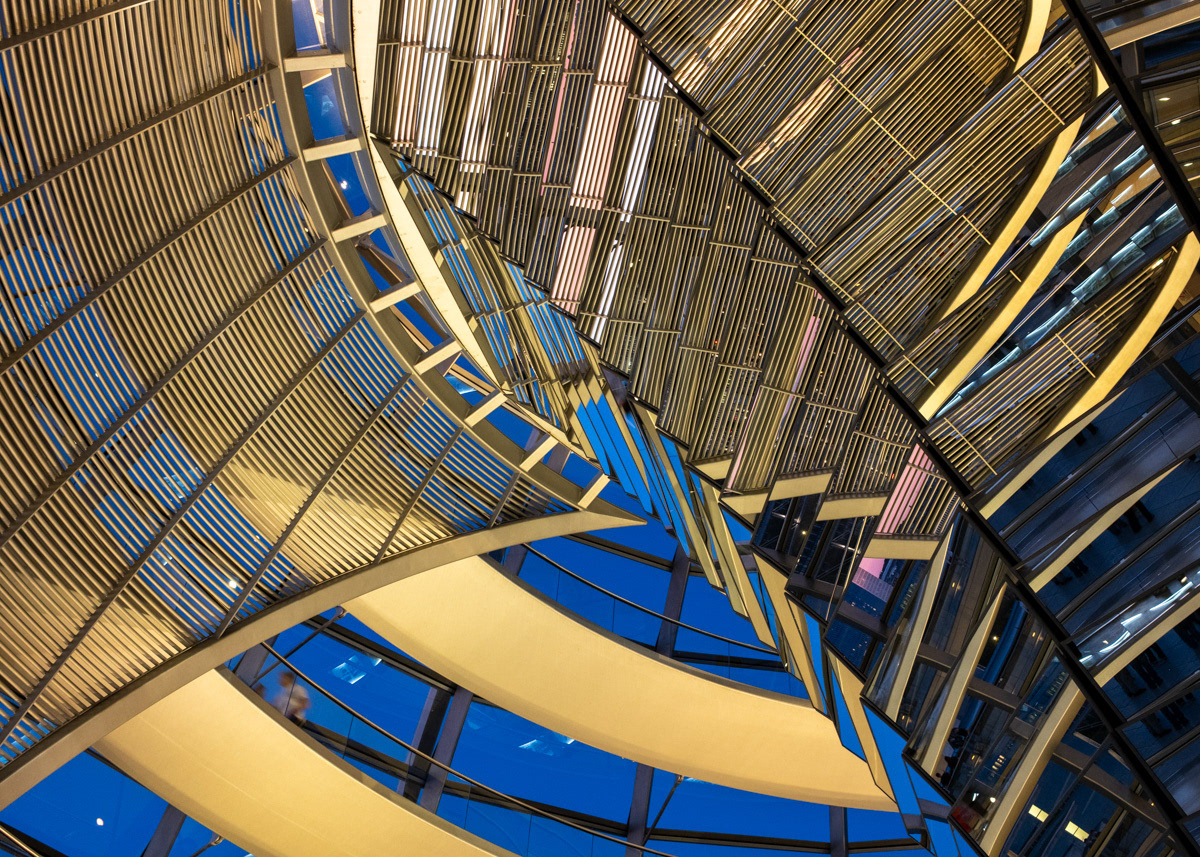
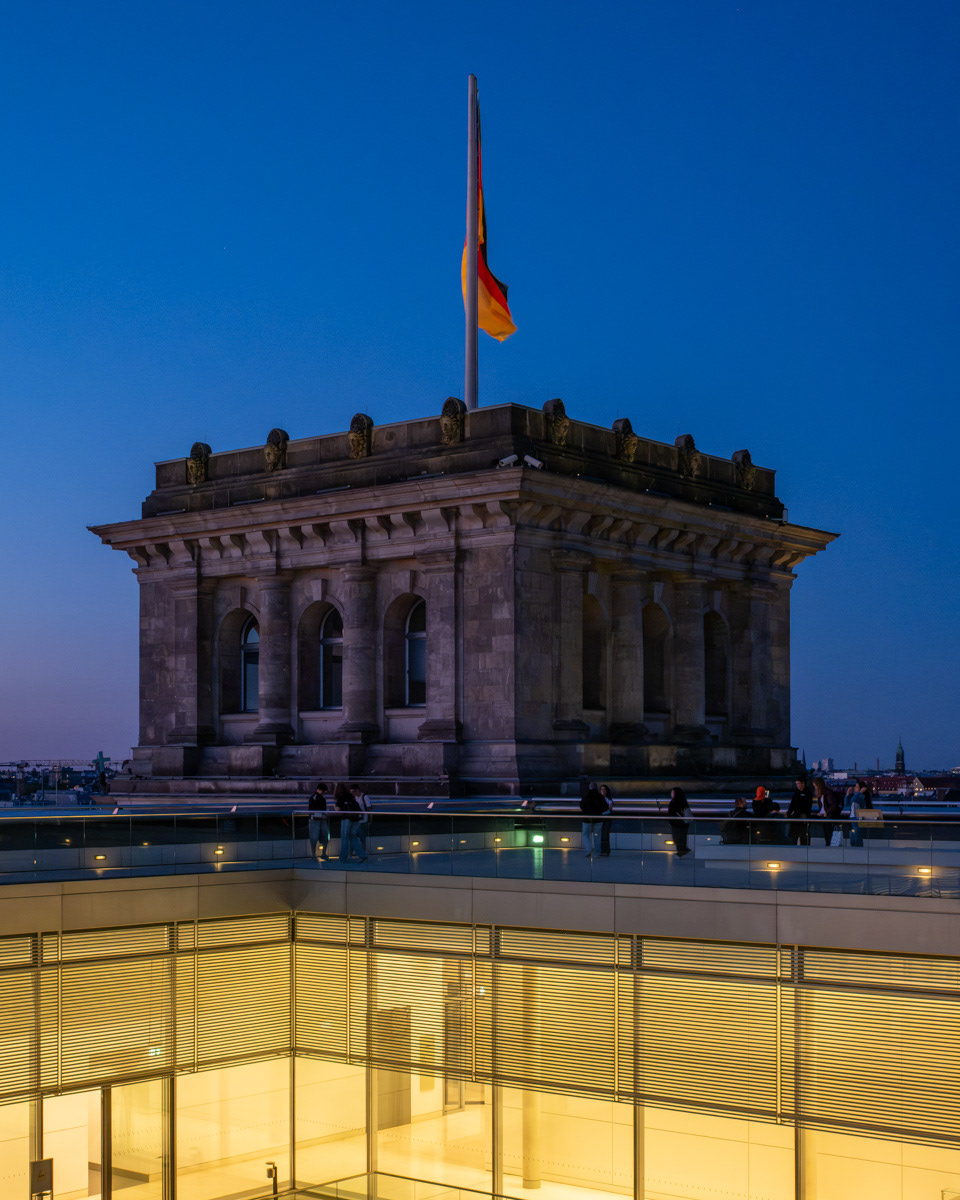
The city has risen from the ashes. The Reichstag was rebuilt, crowned with a gleaming glass dome. Graffiti and gunshot holes left behind by occupying Soviet troops remained preserved on its interior walls. Parts of the Berlin Wall stood as canvases for artists painting hopeful messages. An old railroad repair yard transformed into artist studios and rave venues.
And the Ampelmännchen — the iconic East Berlin crosswalk figures with their jaunty hats — still guided pedestrians at intersections, a small but charming reminder of whether you were in the former East or West.
Berlin was our beginning — messy, honest, creative, and unforgettable. We loved our little apartment on Chorinerstraße and could easily have spent more time there. But after a week, we had a plane to catch, fjords to sail, and one last little detour to make.
POTSDAM
Berlin had given us energy, curiosity, and a renewed appreciation for art — enough momentum to carry us into our next sidequest: Potsdam.
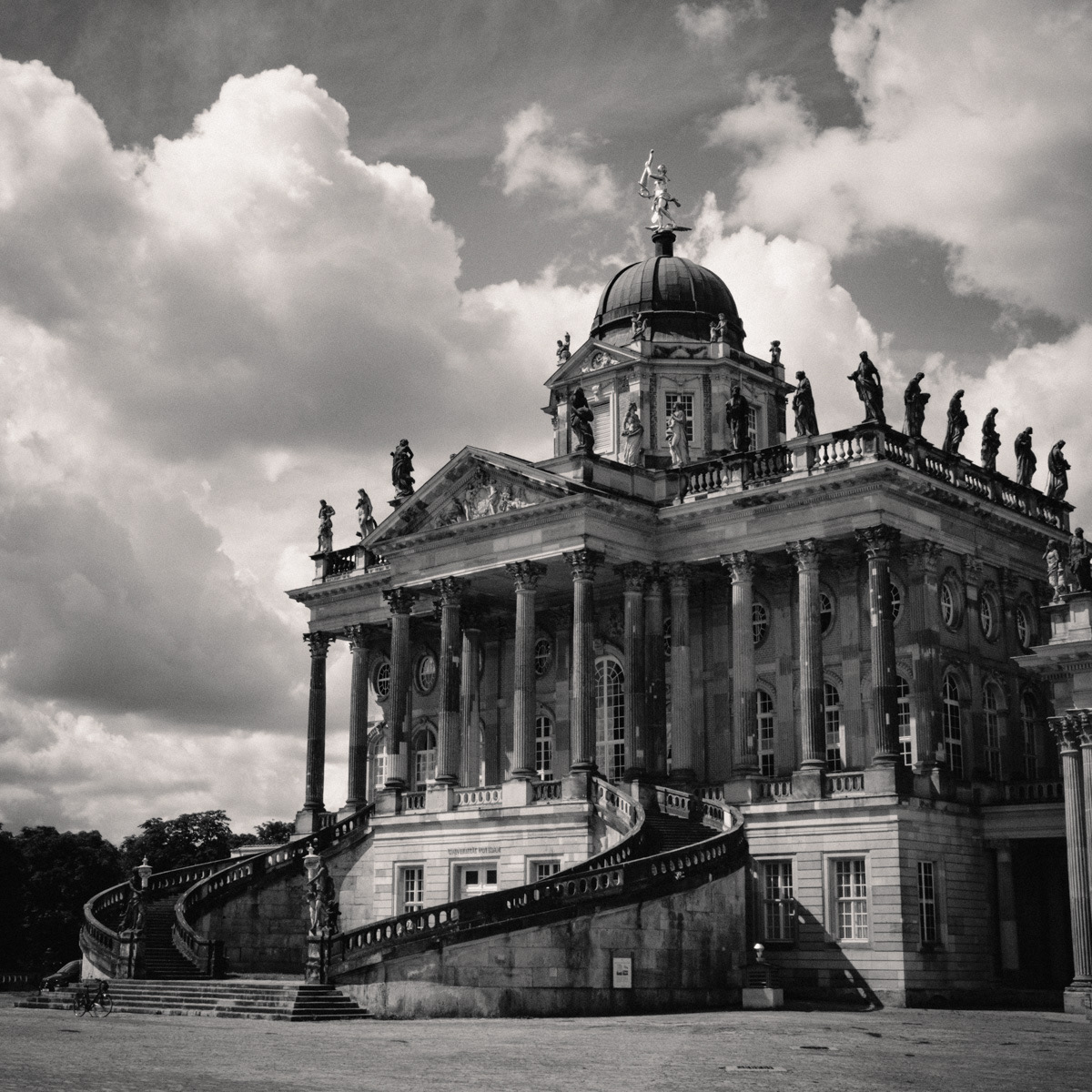
Thinking it would be a welcome respite from the bustle of Berlin Mitte, we booked tours to the Neues Palais and Schloss Sanssouci well ahead of our arrival. We were looking forward to seeing the Picture Gallery, the Chinese House, and the abundance of paths within the park itself.
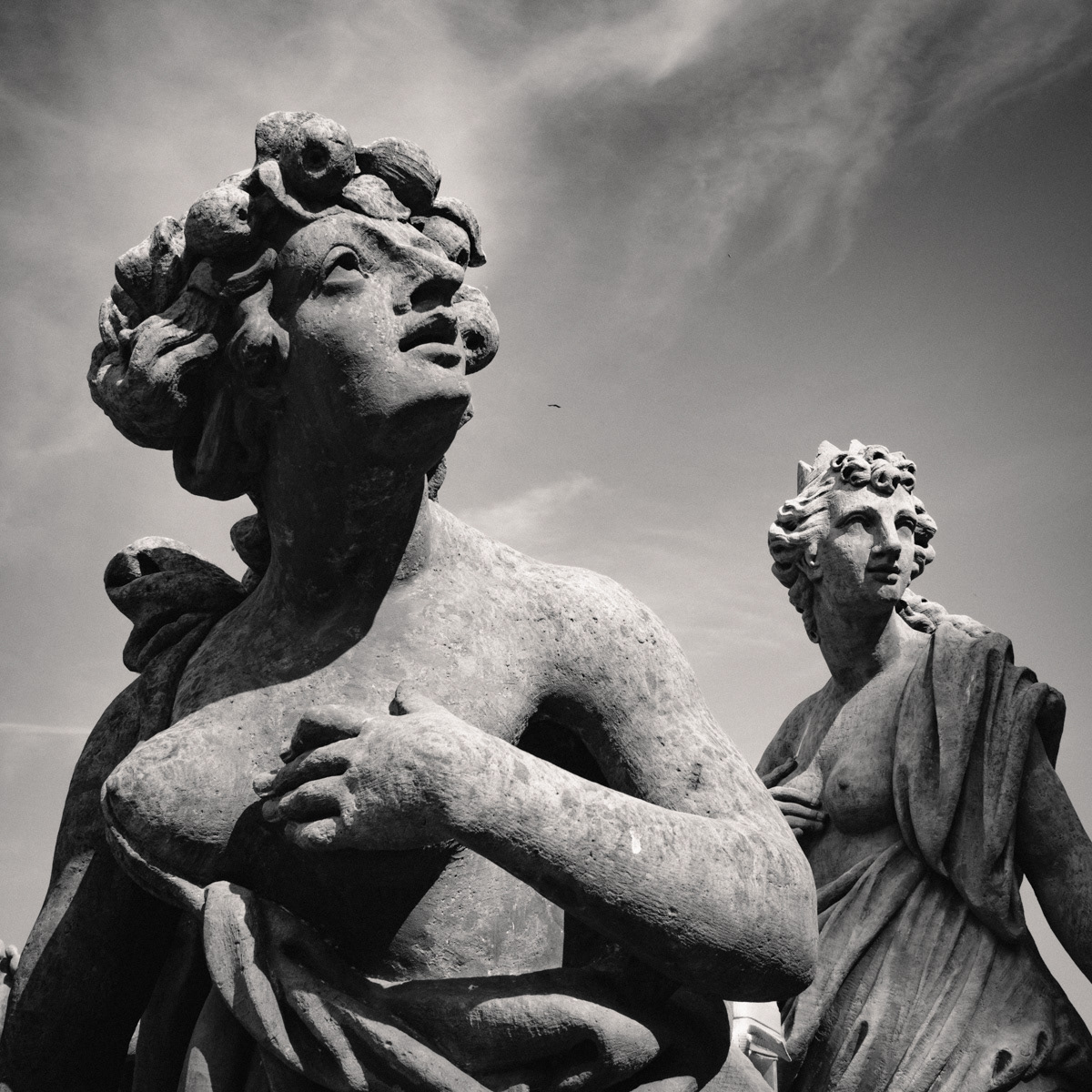
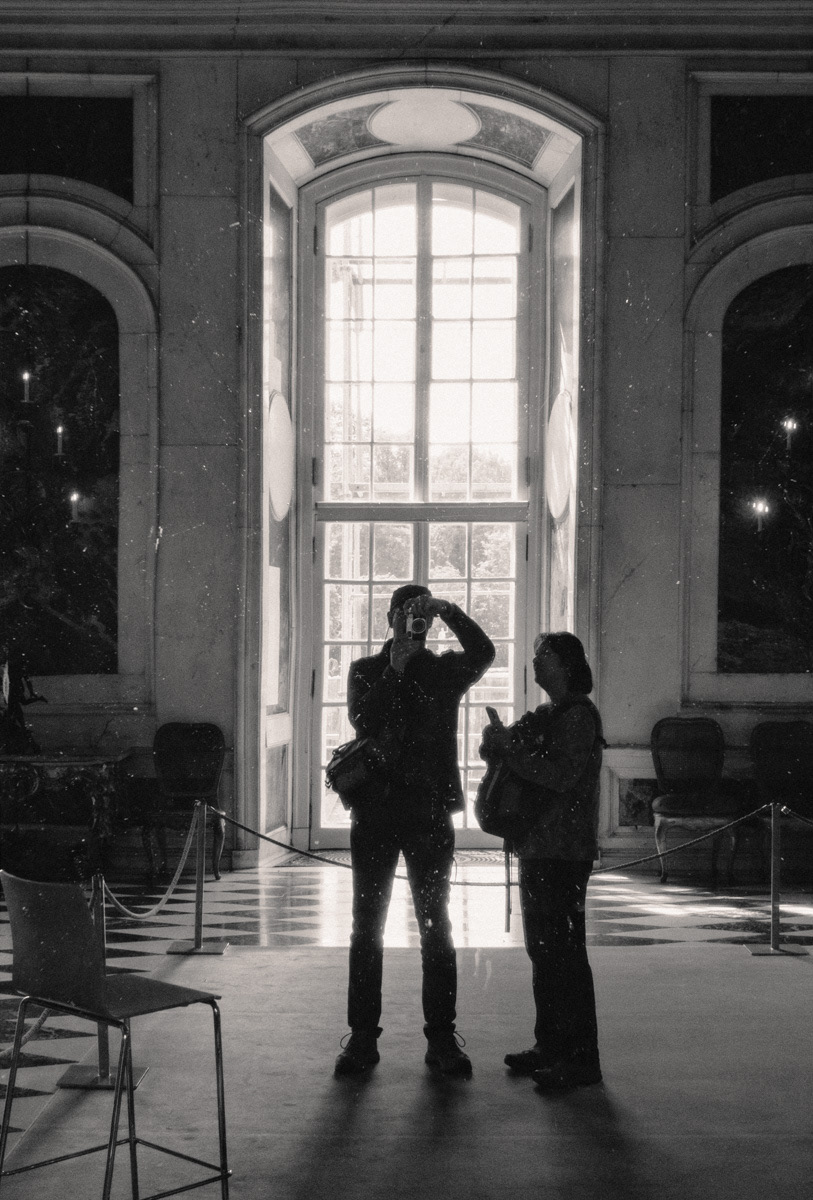
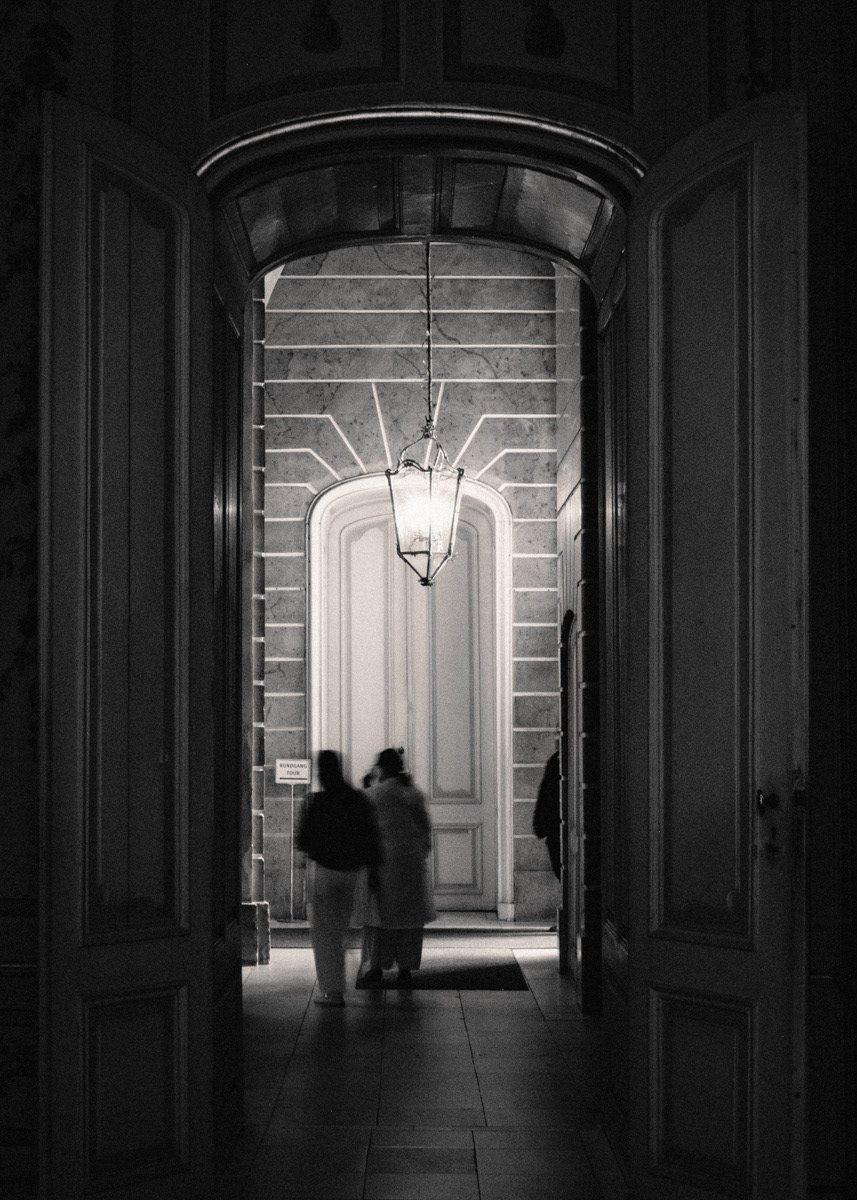
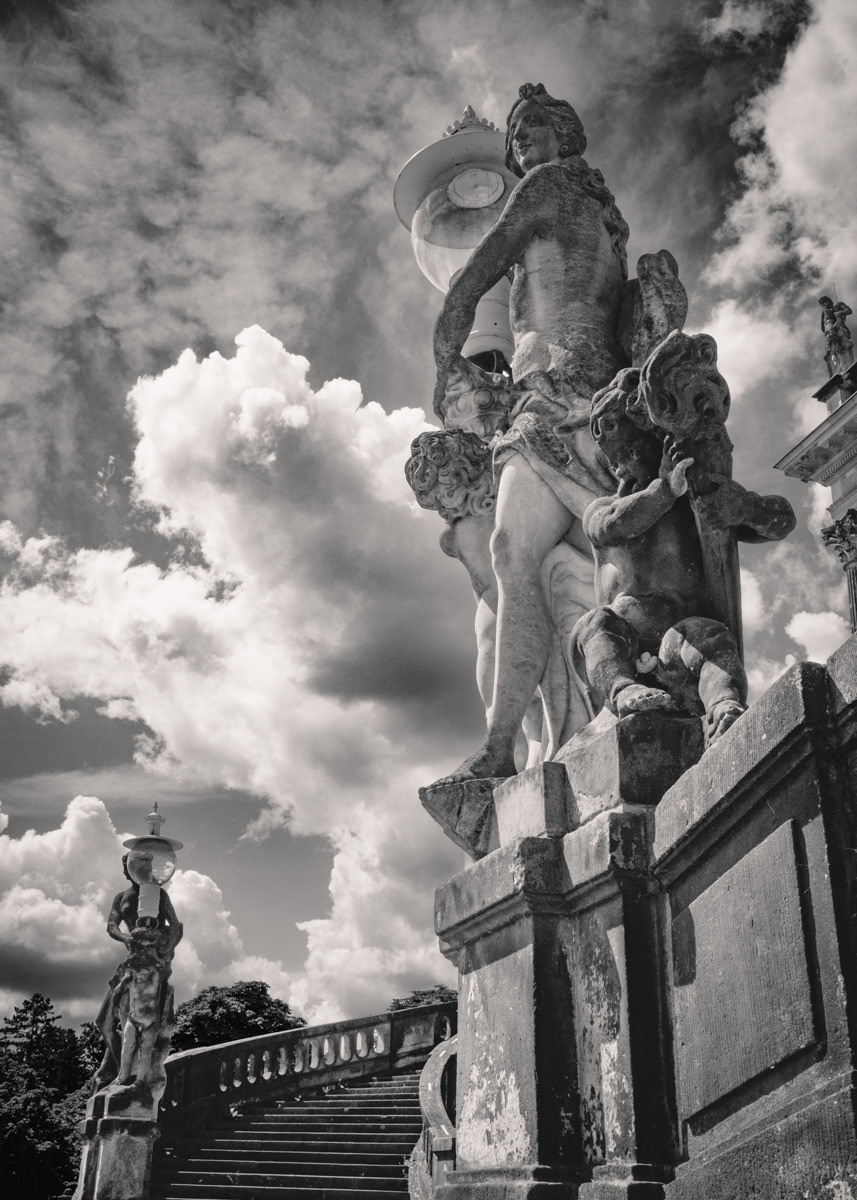
These Prussian palaces were, er, unique. The main room in the Neues Palais was decorated top to bottom in seashells. Many of the rooms displayed classical and Baroque art featuring mythological nude figures. Even by today’s standards, a few of these paintings were risqué indeed. Because the exterior of the Neues Palais was under renovation, all the statuary was collected in a fenced-off lot. It looked surreal seeing all these figures in dramatic poses corralled like livestock.
However, like so many sidequests, we completely underestimated what we were getting ourselves into — especially the distances involved. Though the map had shown all these palaces clustered around Potsdam central, I had assumed “city blocks” rather than “country miles.” As it turned out, the Neues Palais was a good 4 km from the train station, and even the distance between it and the main palace required 2 km of walking.
Once we safely returned to our little apartment on Chorinerstraße, Google Fit cheerfully informed us that we had completed 21,000 steps that day. My feet could definitely attest to that fact.
After Potsdam’s unexpected marathon, we were ready for something quieter — or at least something coastal. Bergen seemed like the right place to catch our breath before the real adventure began.
BERGEN
Bergen greeted us with soft morning light and the smell of the sea — and, unexpectedly, with memories of Looney Tunes. Remember those old cartoons where the camera would pan across a warm forest landscape, animals yawning and stretching in the early sun while a gentle flute solo played? (Of course, shortly thereafter Elmer Fudd would stomp through, shouting, “I’m going to hunt me some rabbit!” — but let’s ignore that part.)
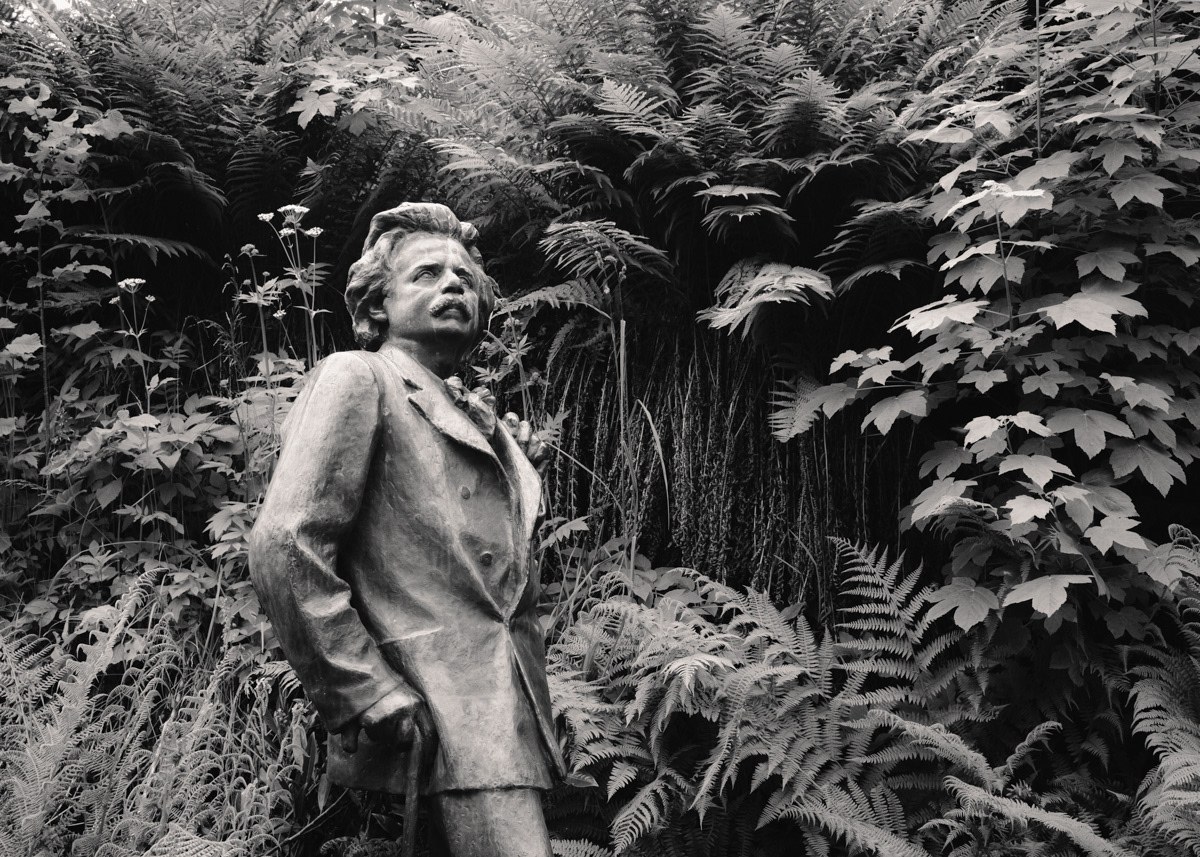
Well, that music, Morning Mood, was composed by Bergen’s own Edvard Grieg, a major figure in classical music. His house and “man cave” still exist south of town, on an estate called Troldhaugen overlooking a peaceful ocean inlet.
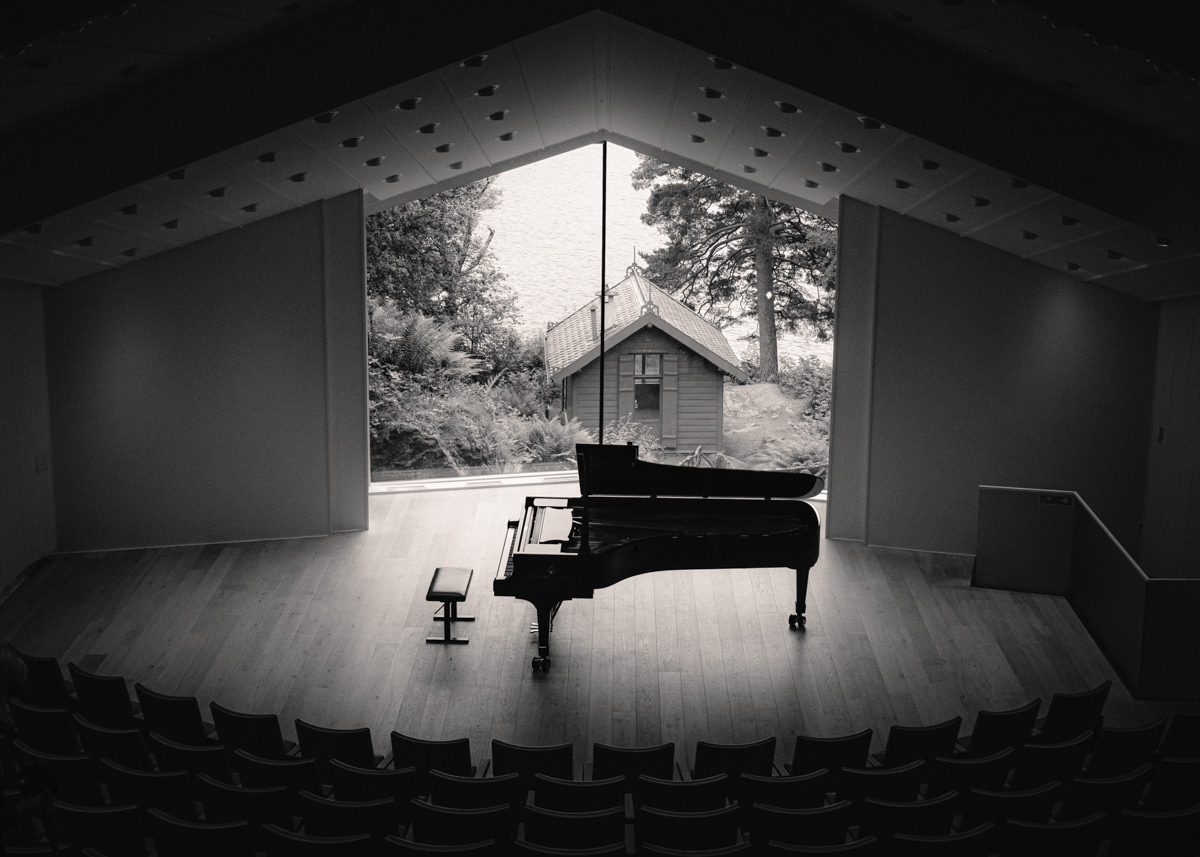
Our guide at Troldhaugen practically vibrated with enthusiasm, delighted to share every quirky detail of Grieg’s life — like him being no taller than her own 5'2" frame. How the main house, were it to have indoor plumbing, would be too noisy for Grieg to concentrate, so the bathroom was built into a separate shack. And how, even then, his wife had too many visitors for his liking, so he composed in another one-room hut further down the hill, with a piano and a view of the bay.
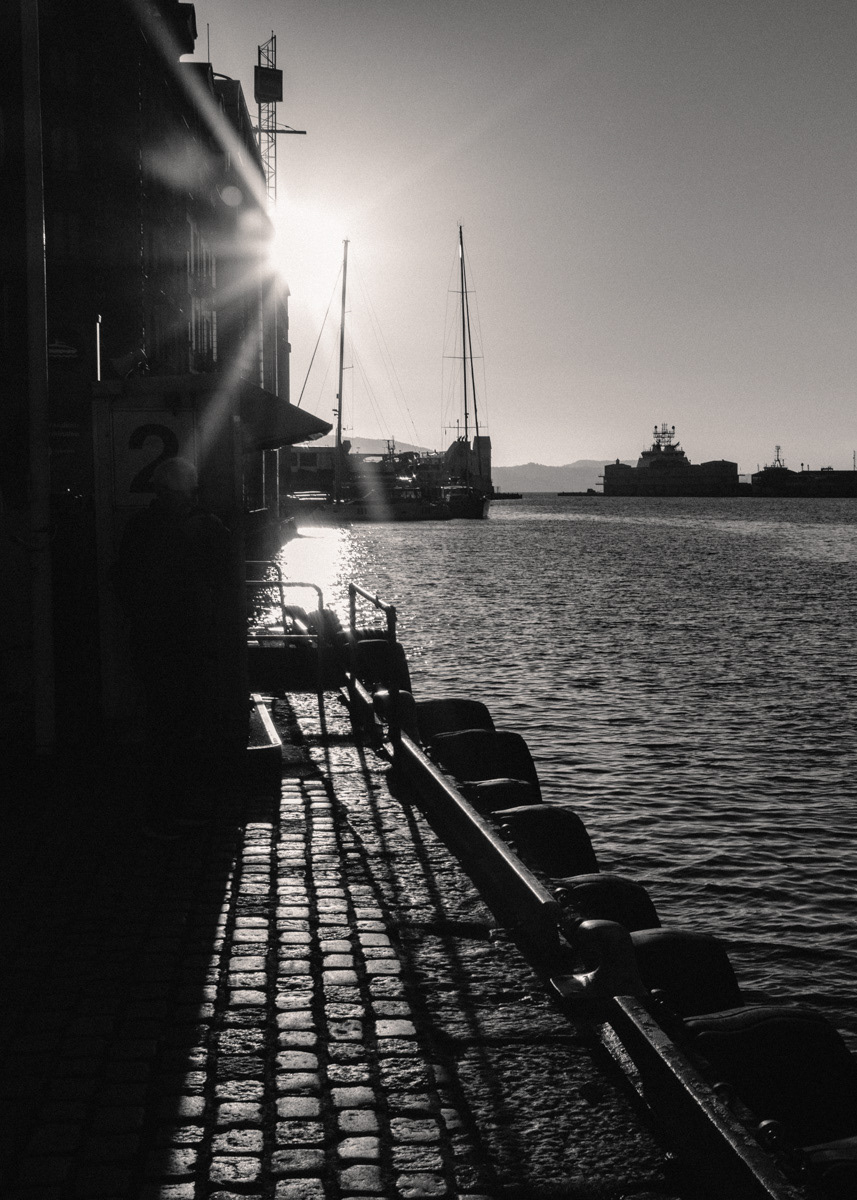
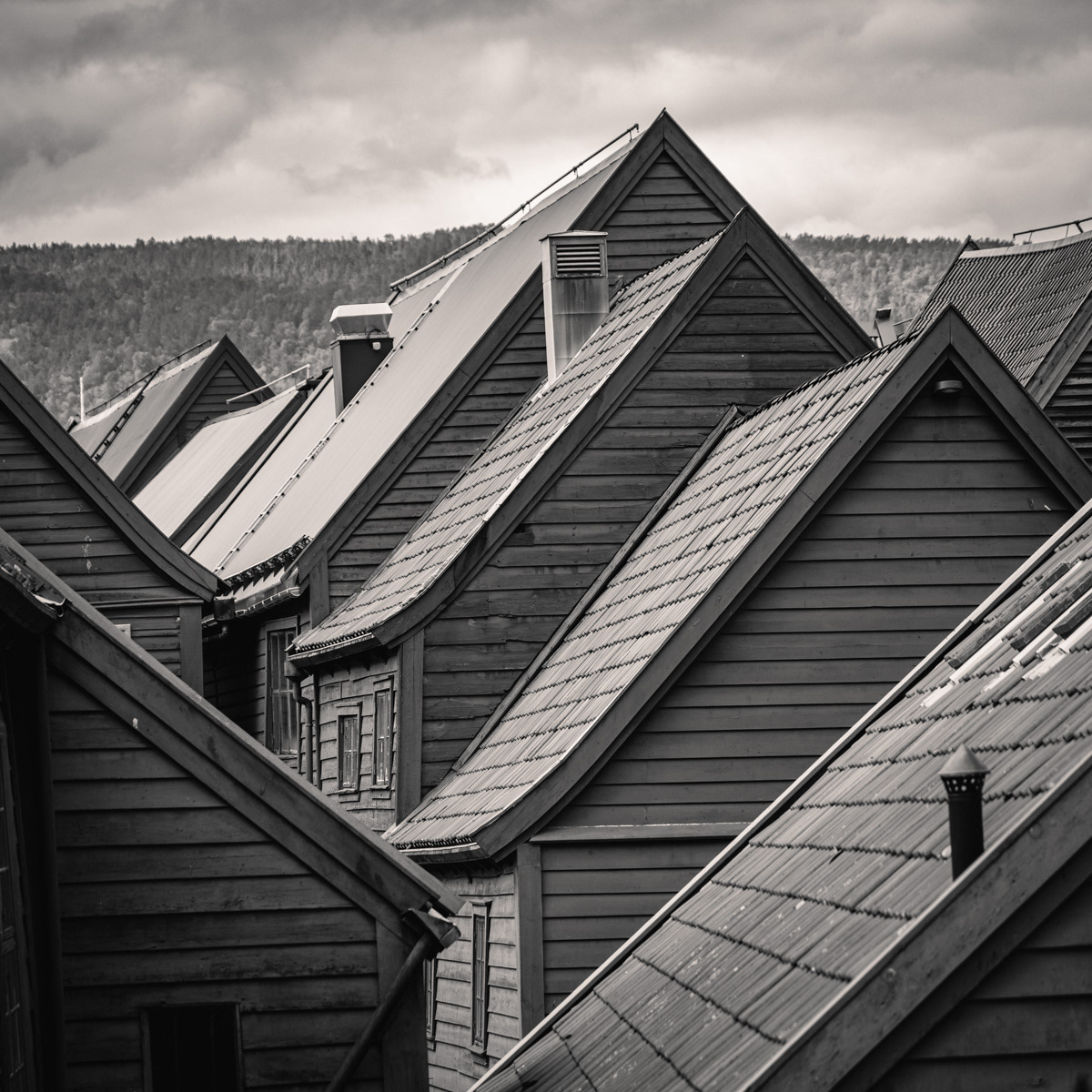
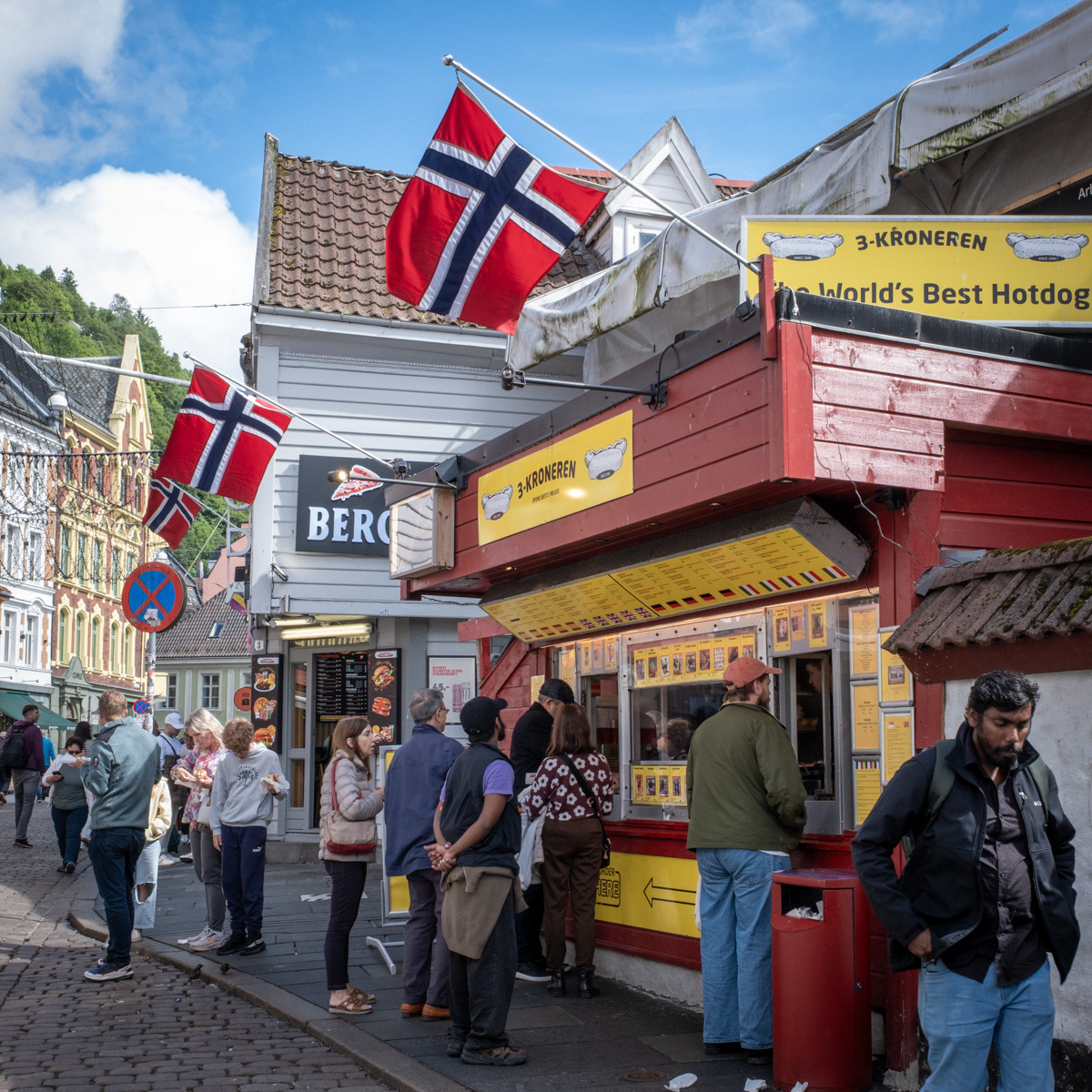
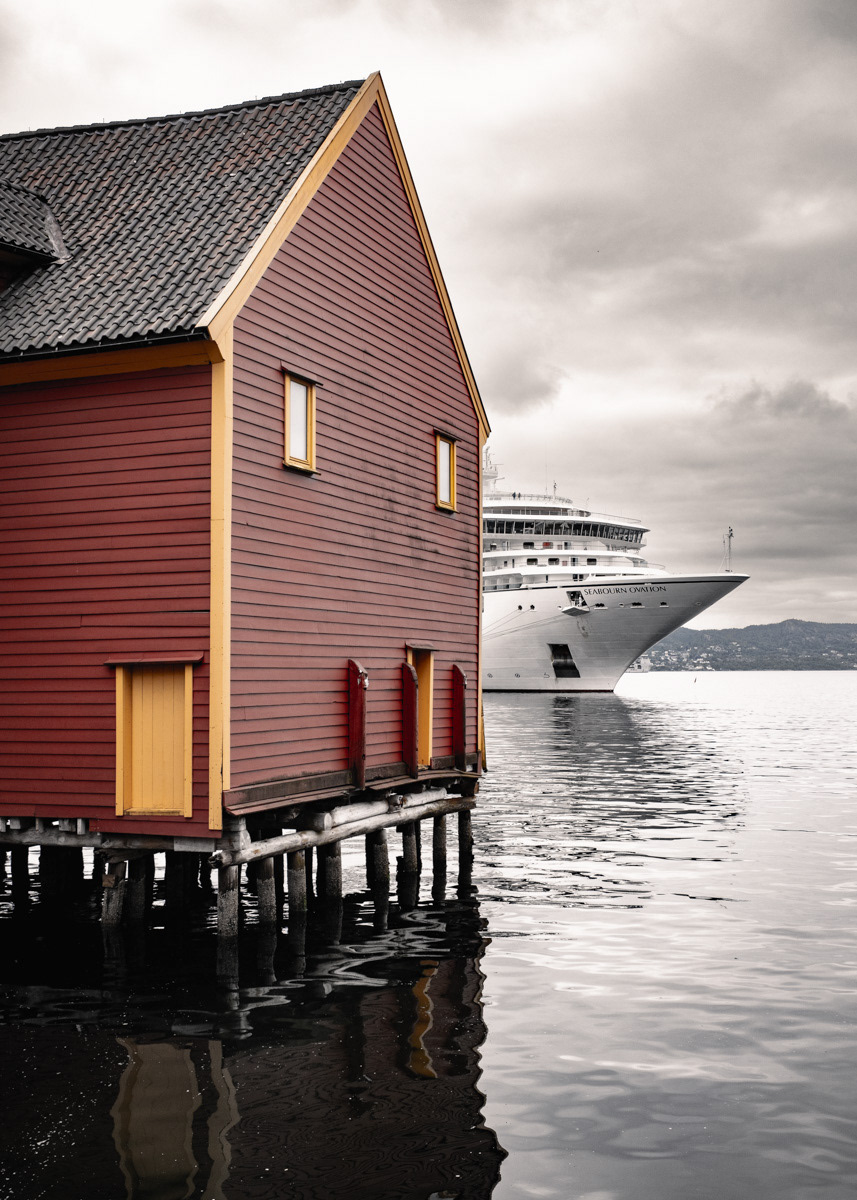
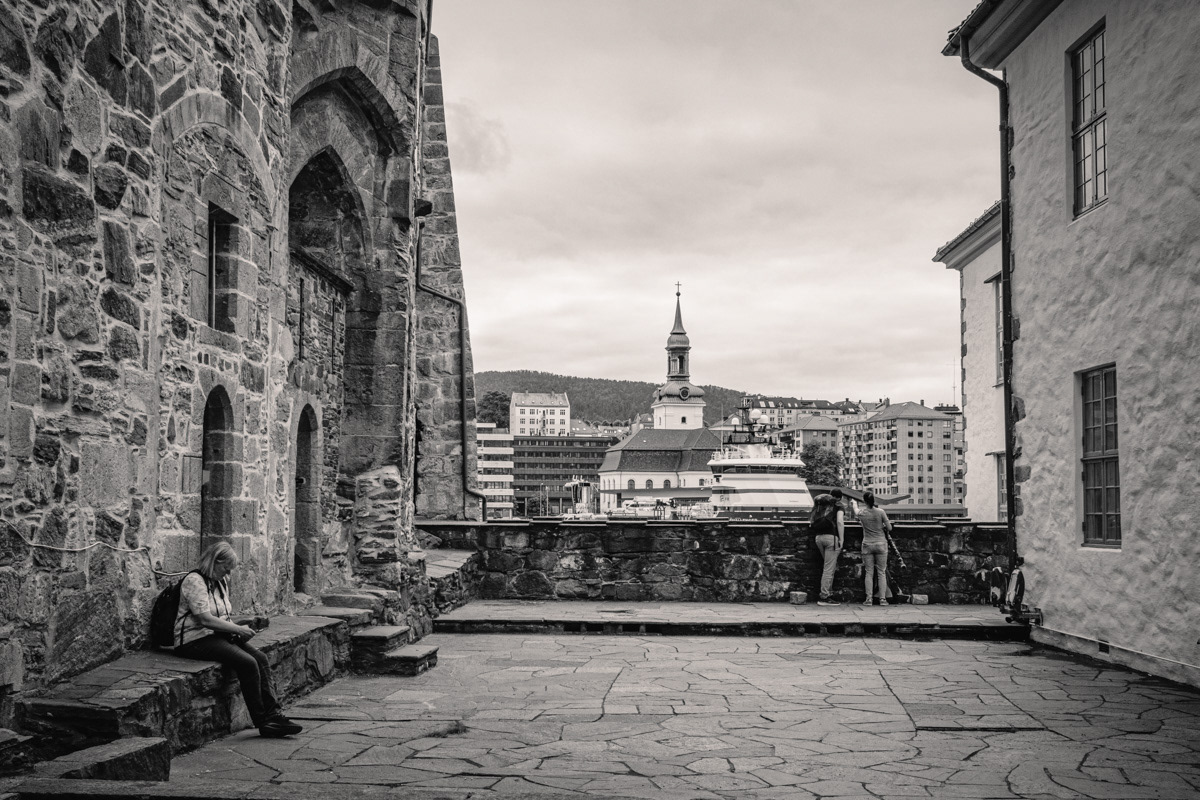
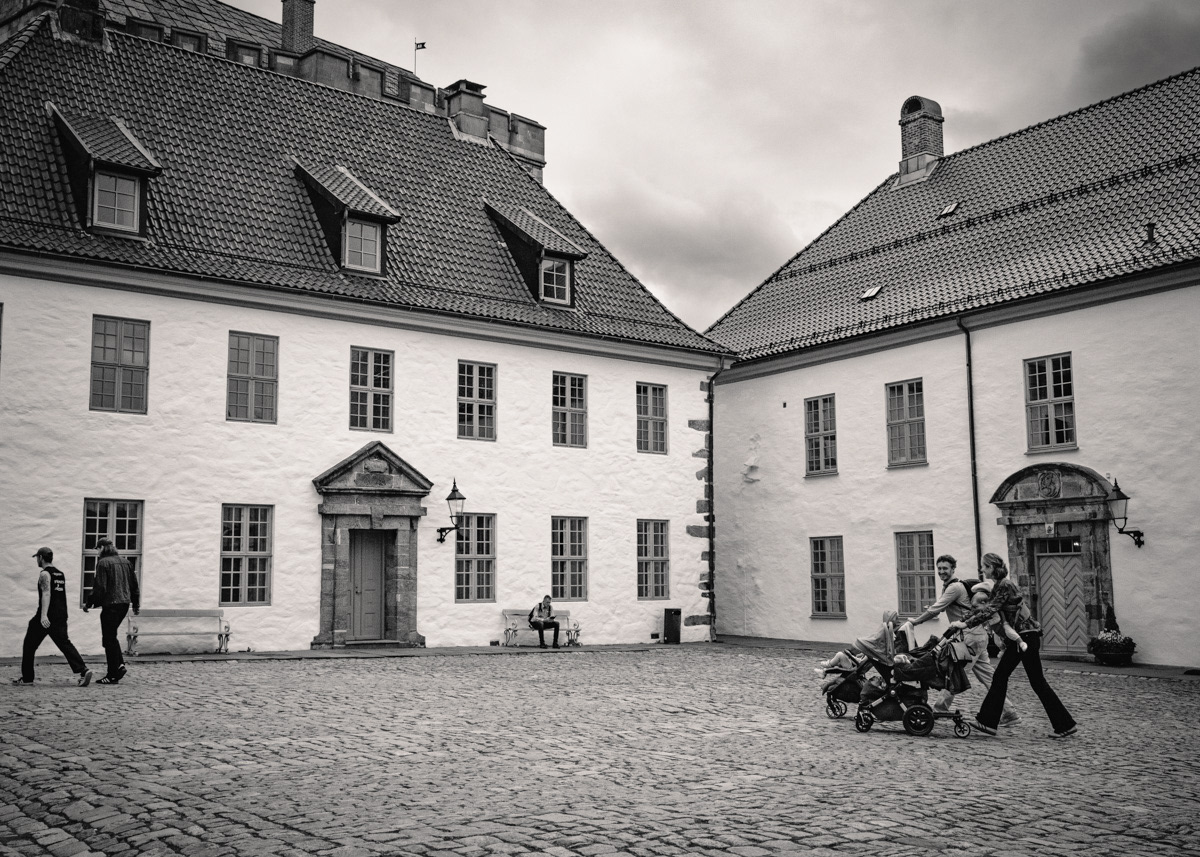
Troldhaugen was perhaps the closest we came to meeting “real” Bergen people. The rest of the town felt touristy, and on the full day we had there, three cruise ships were docked in port. Bryggen was the epicenter — T-shirt shops, art galleries, yarn stores, and seafood restaurants priced for visitors rather than locals. Our quick bite at 3-Kroneren was the most authentic moment of the day: reindeer dogs with lingonberry sauce, eaten standing up while the crowds swirled around us.
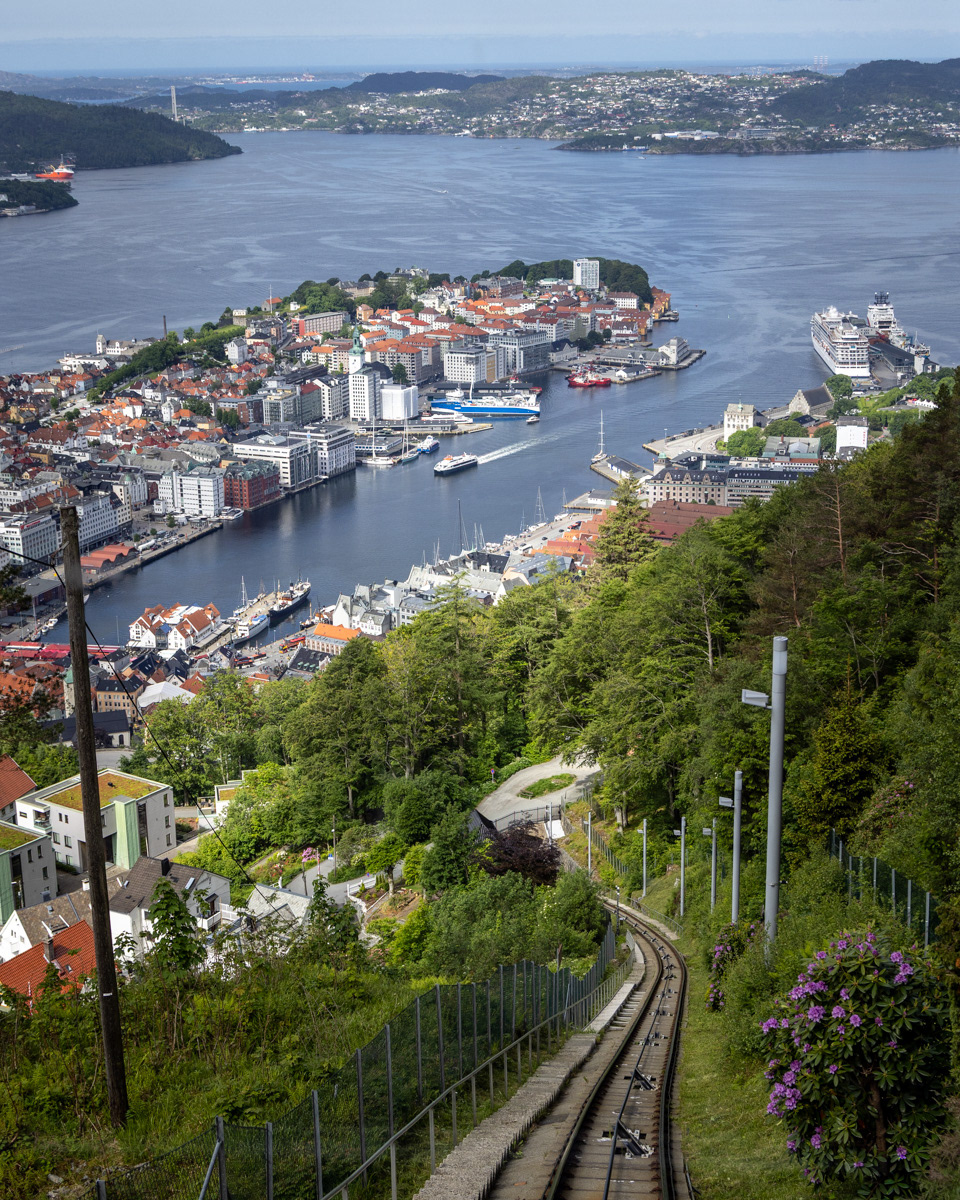
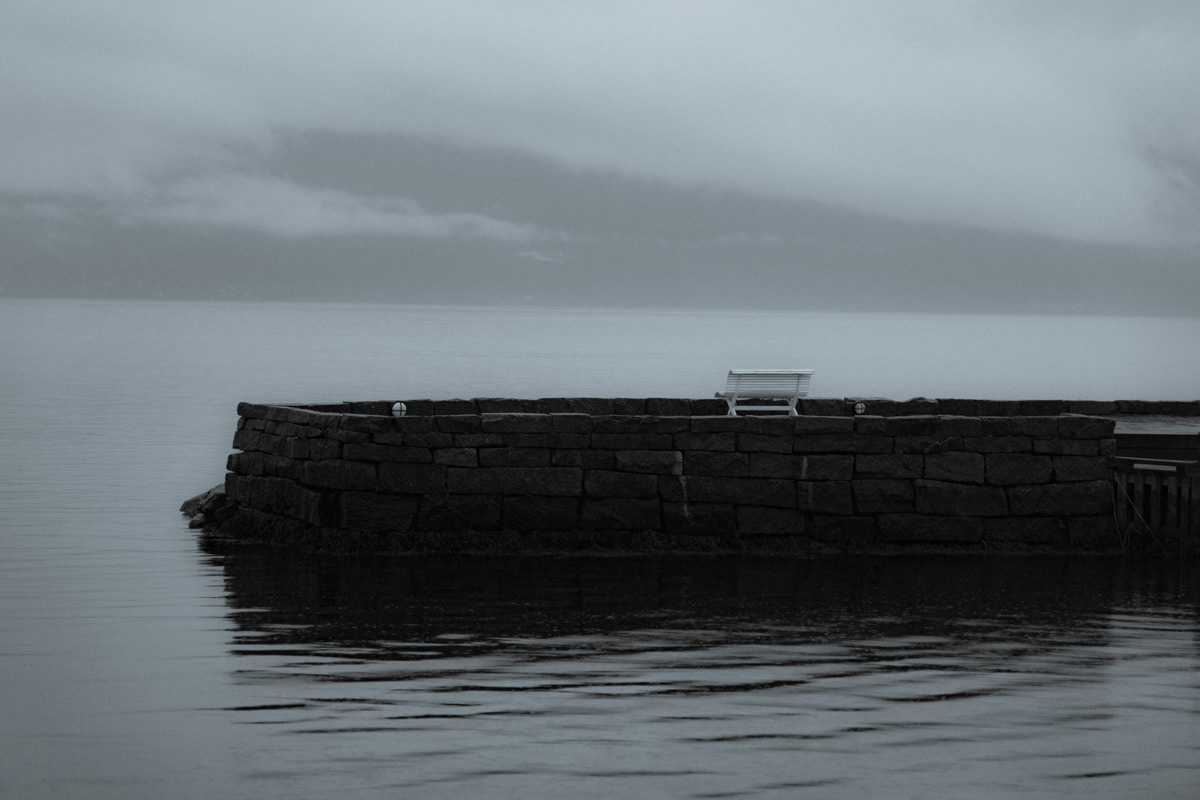
On the advice of a friend, we took an early-morning ride on the funicular up to the ridge overlooking Bergen, Fløyen. The trails up there were poorly marked, but the township made sure there was a bench every 500 yards or so. And on the way back down, we ducked into a bakery and ordered two croissants. The woman behind the counter was kind enough to slip in a third bear claw, free of charge.
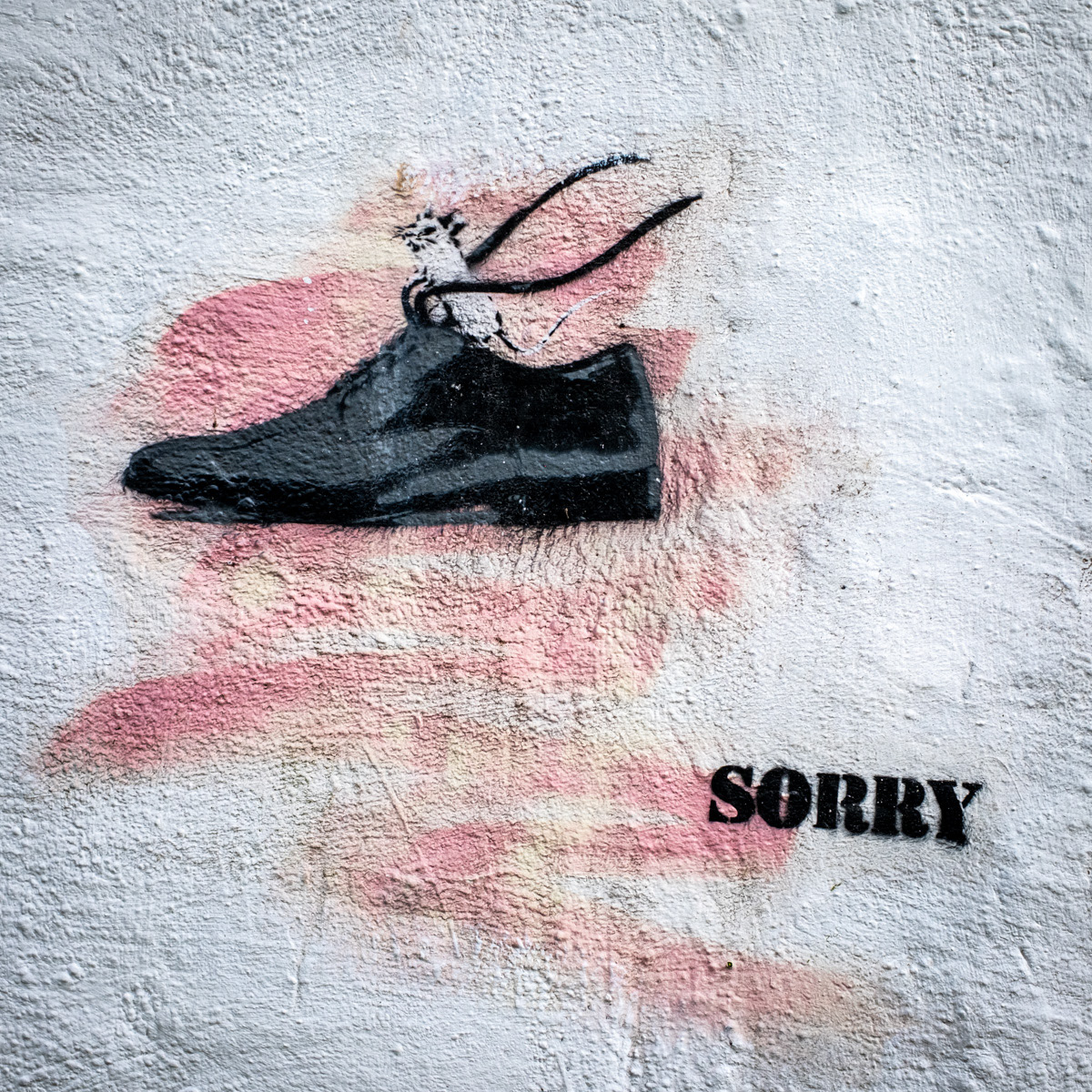
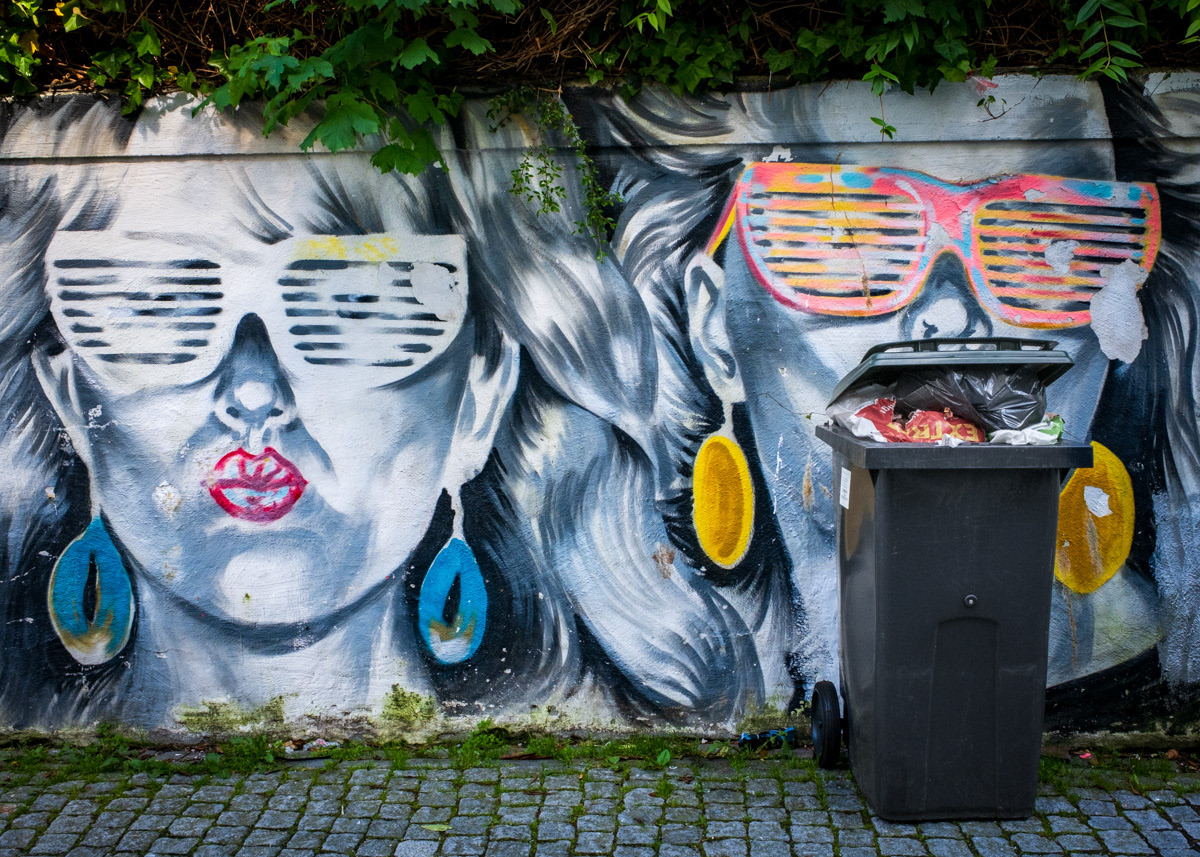
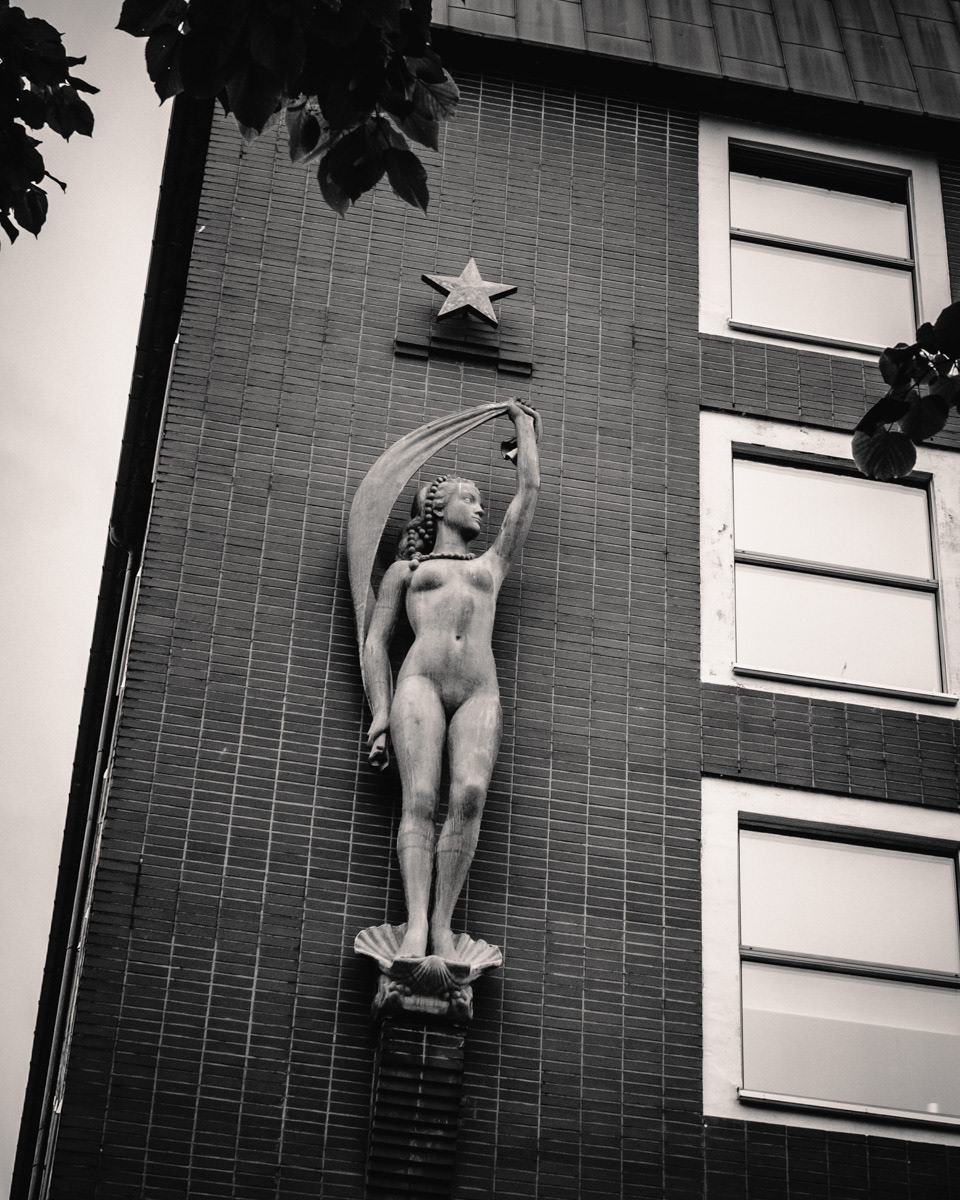
But even then, we still didn’t feel like we were seeing the authentic Bergen. On our last day, we walked a road uphill from the bustle of Bryggen and admired the street art on retaining walls and building sides. We began seeing lived-in apartment buildings, bicycles parked on sidewalks, young people carrying bags of groceries — and for the first time, felt we were getting a taste of the Bergen that existed beyond the cruise-ship crowds.
As we dragged our bags over wet cobblestones the next morning to catch the train to Voss, we realized that Bergen seemed to live two lives — one for visitors, one for itself — and we had only glimpsed the latter. What we didn’t know was that our next chapter would be less about authenticity and more about weather, wet socks, and the unpredictable joys of group travel.
HARDANGERFJORD
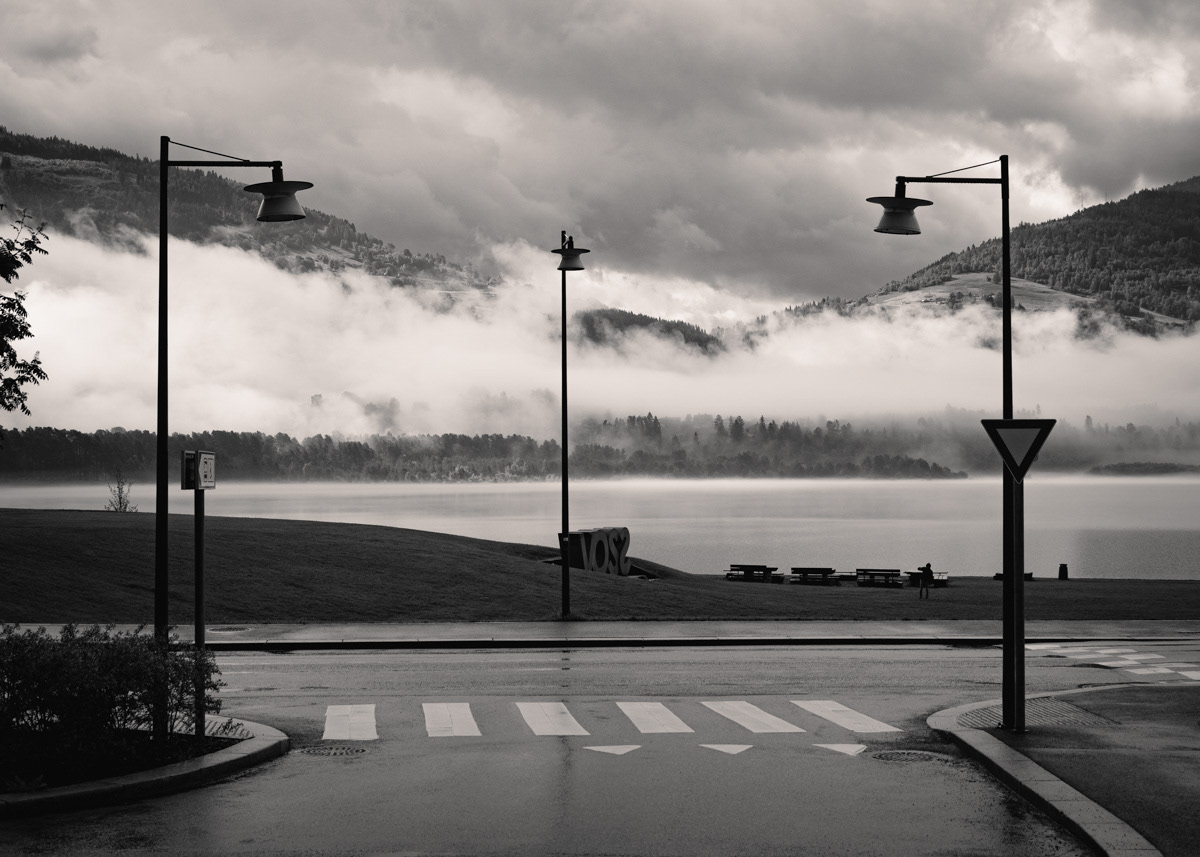
The air still smelled like rain when our train pulled into the station. Seeing the standing water, Nancy looked up and said, “You get what you get.”
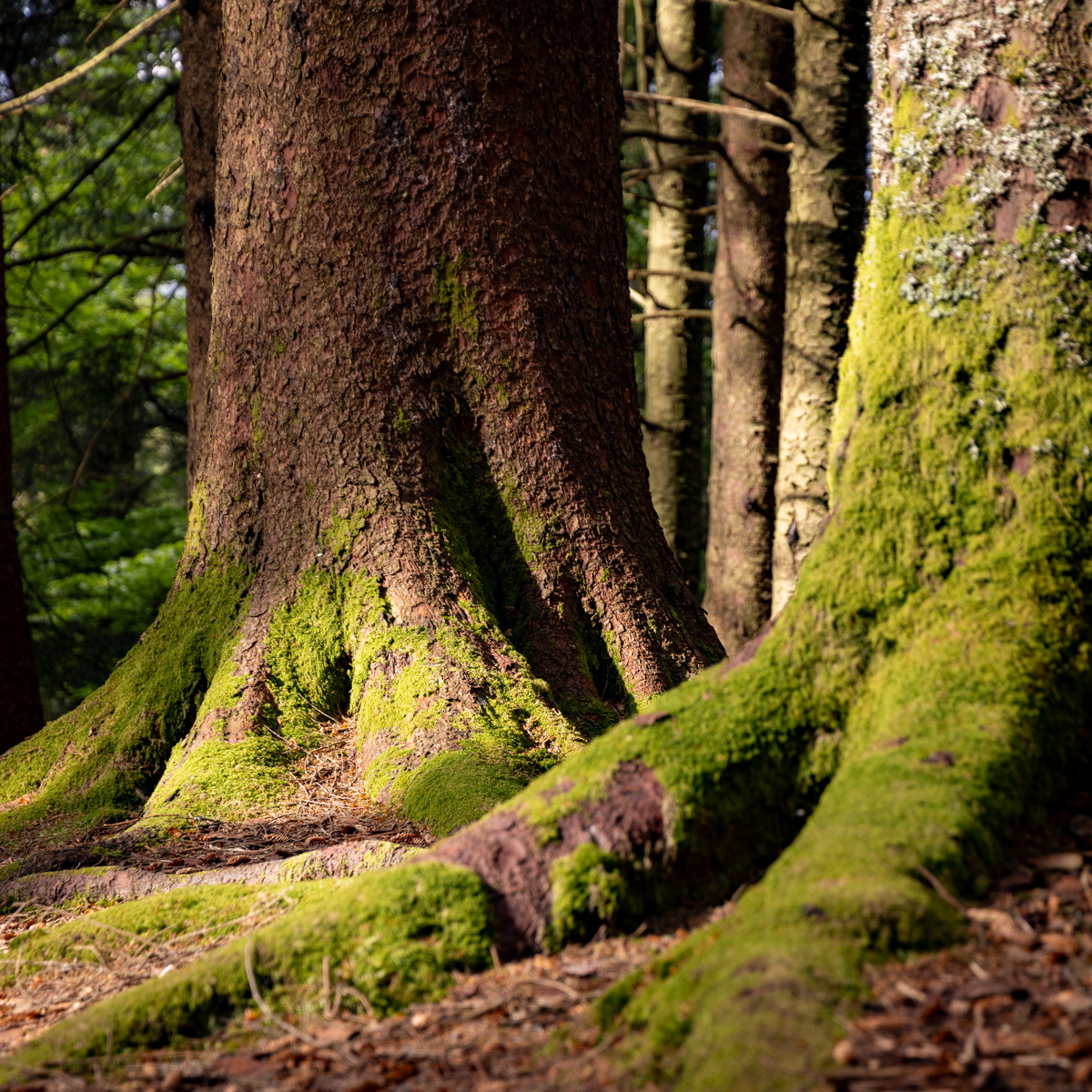
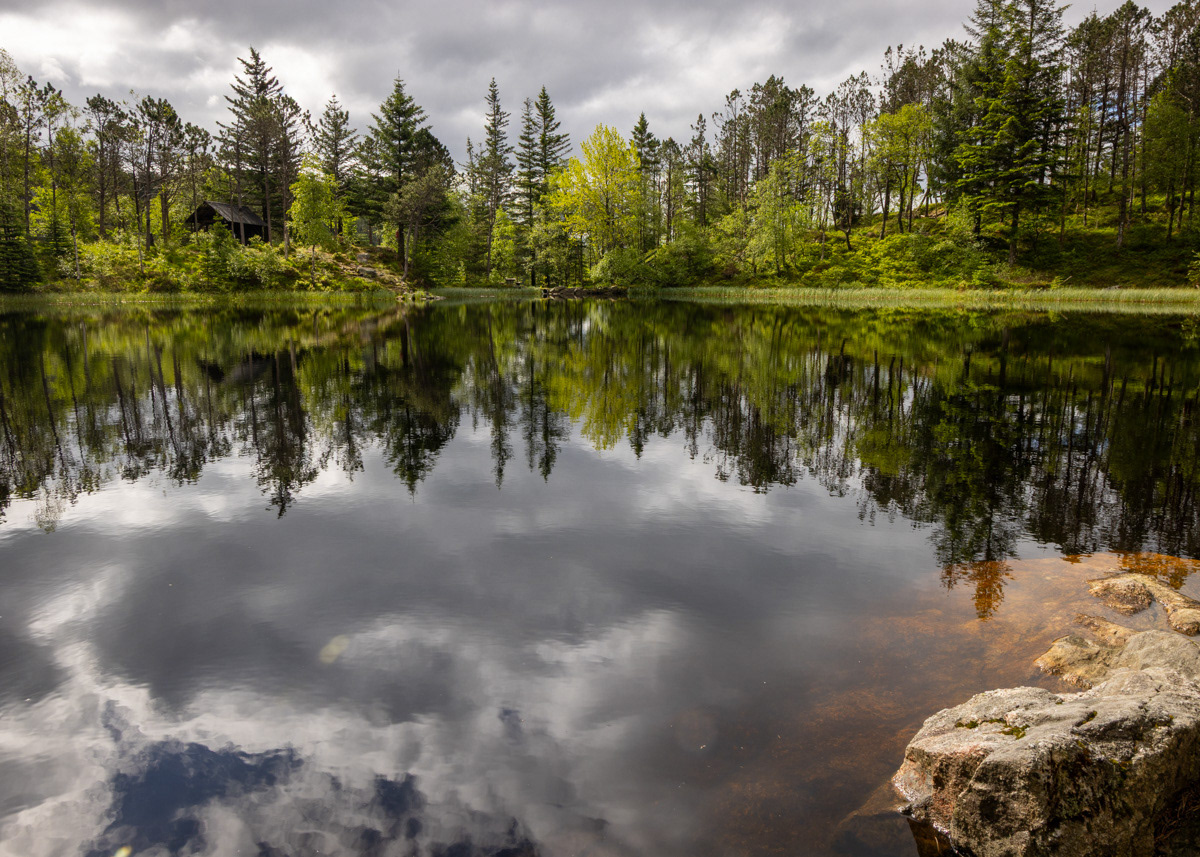
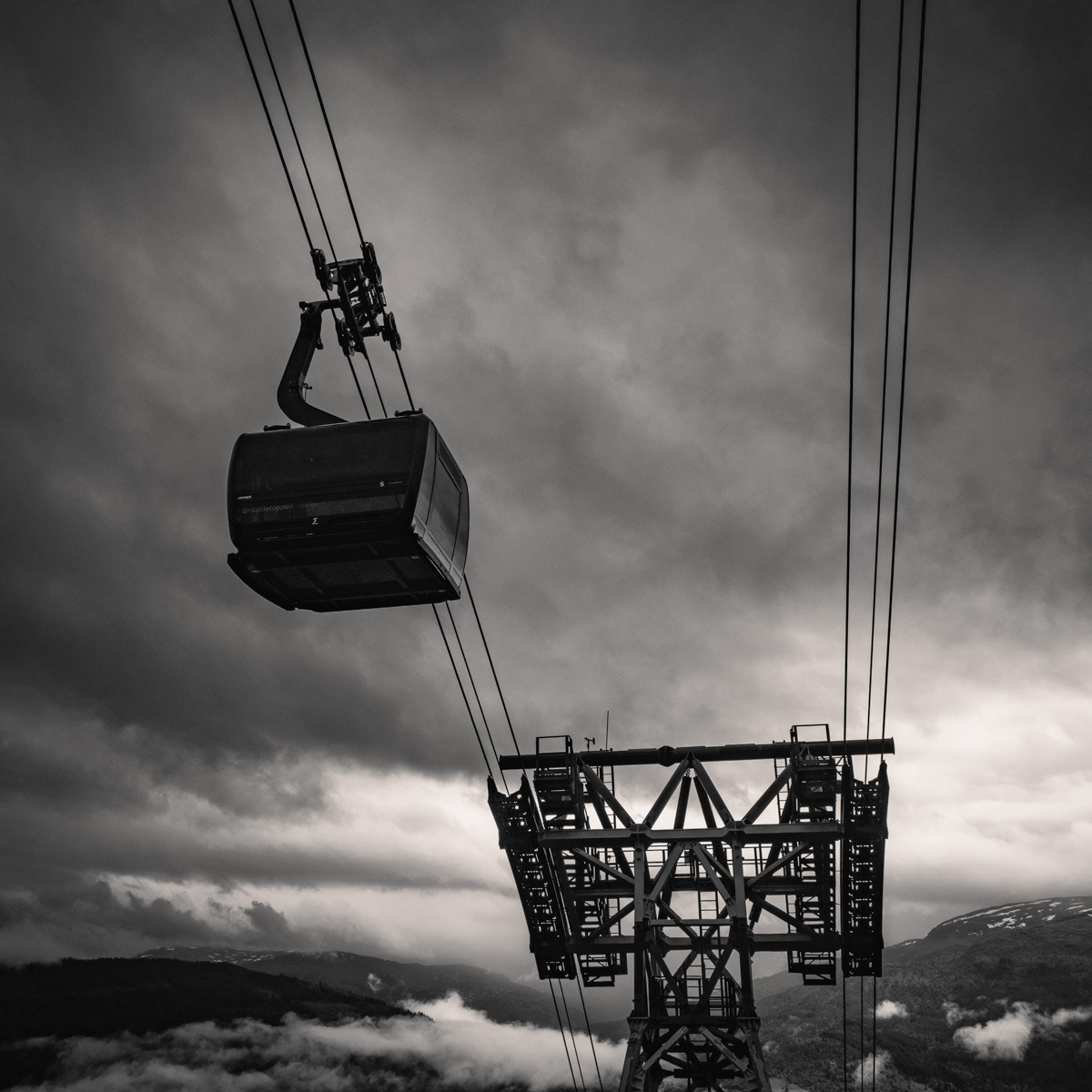
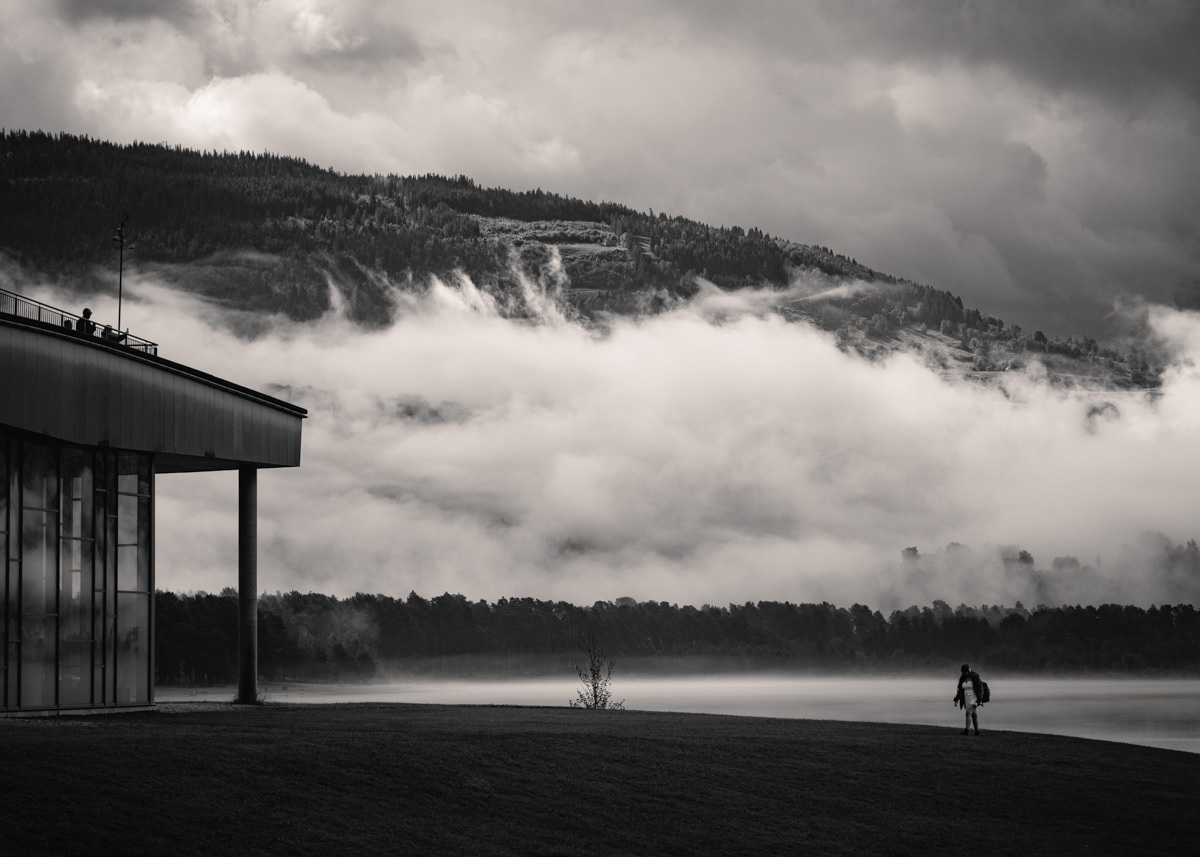
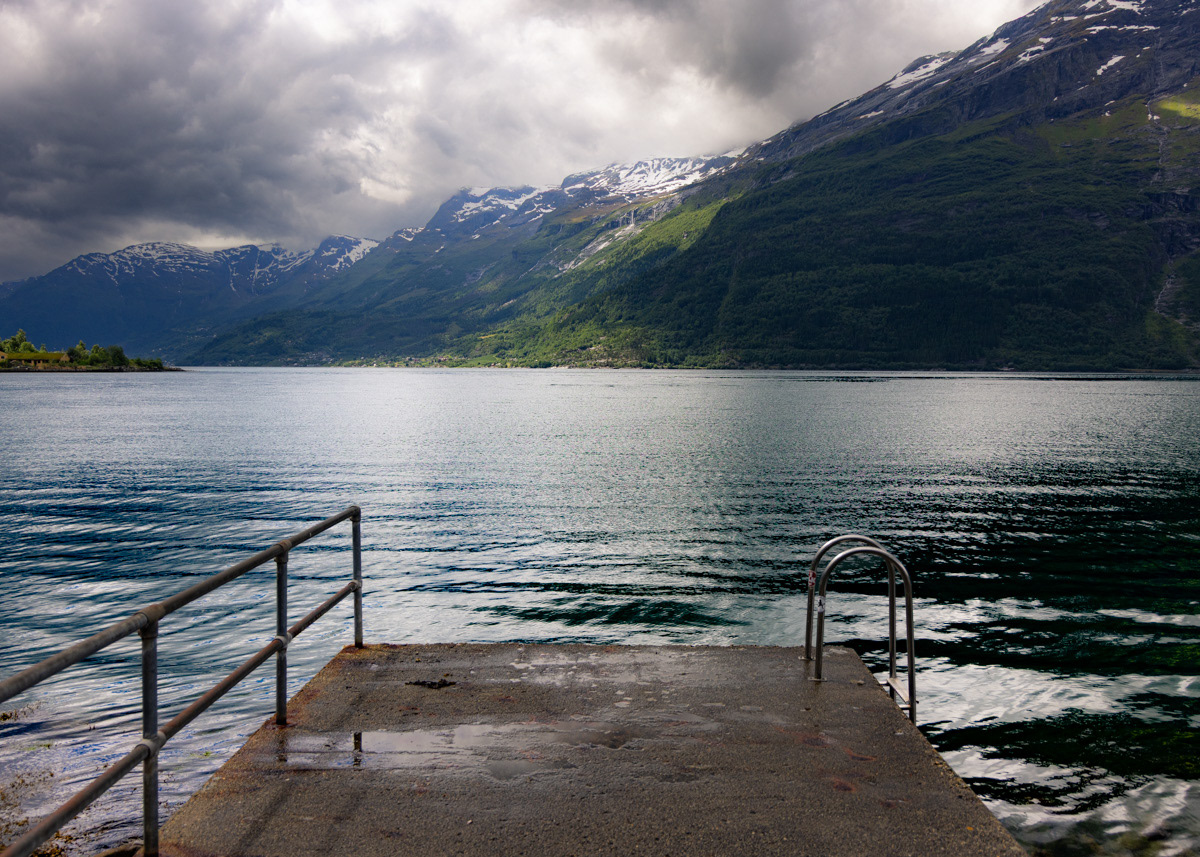
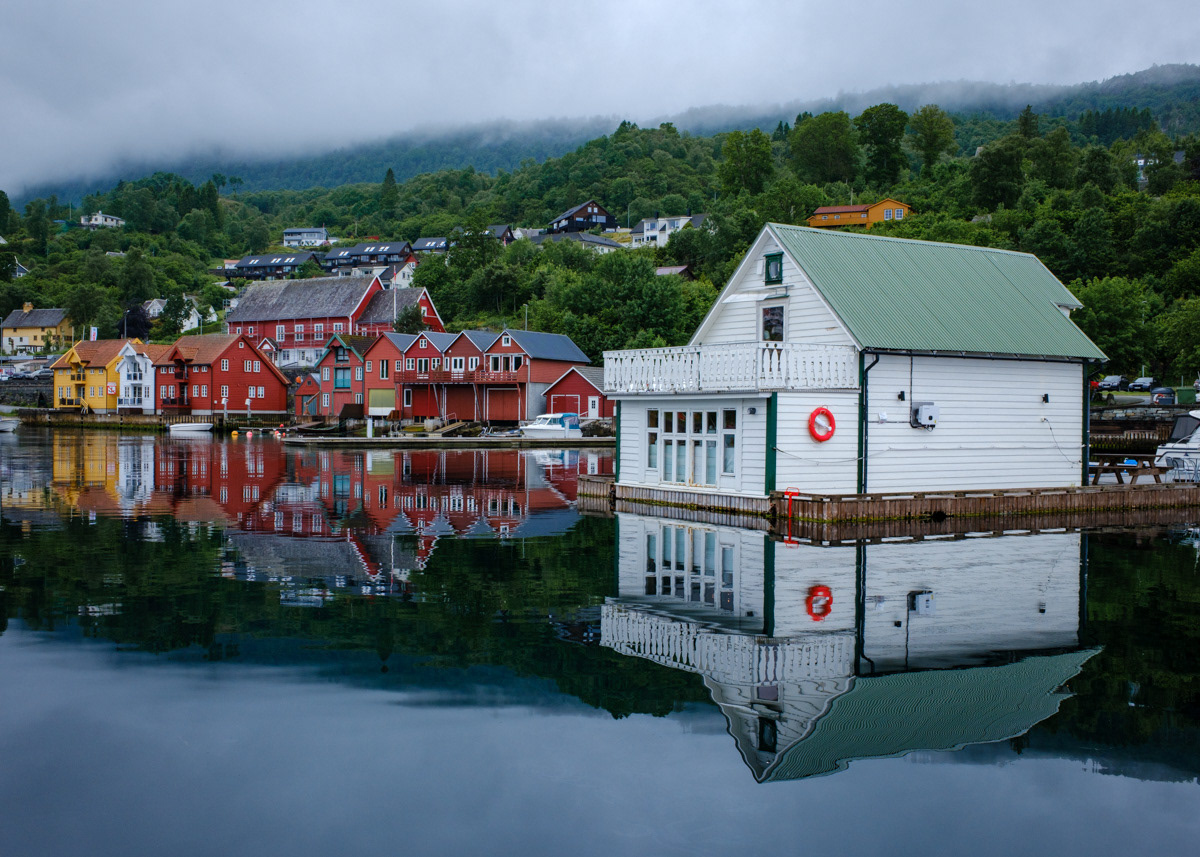
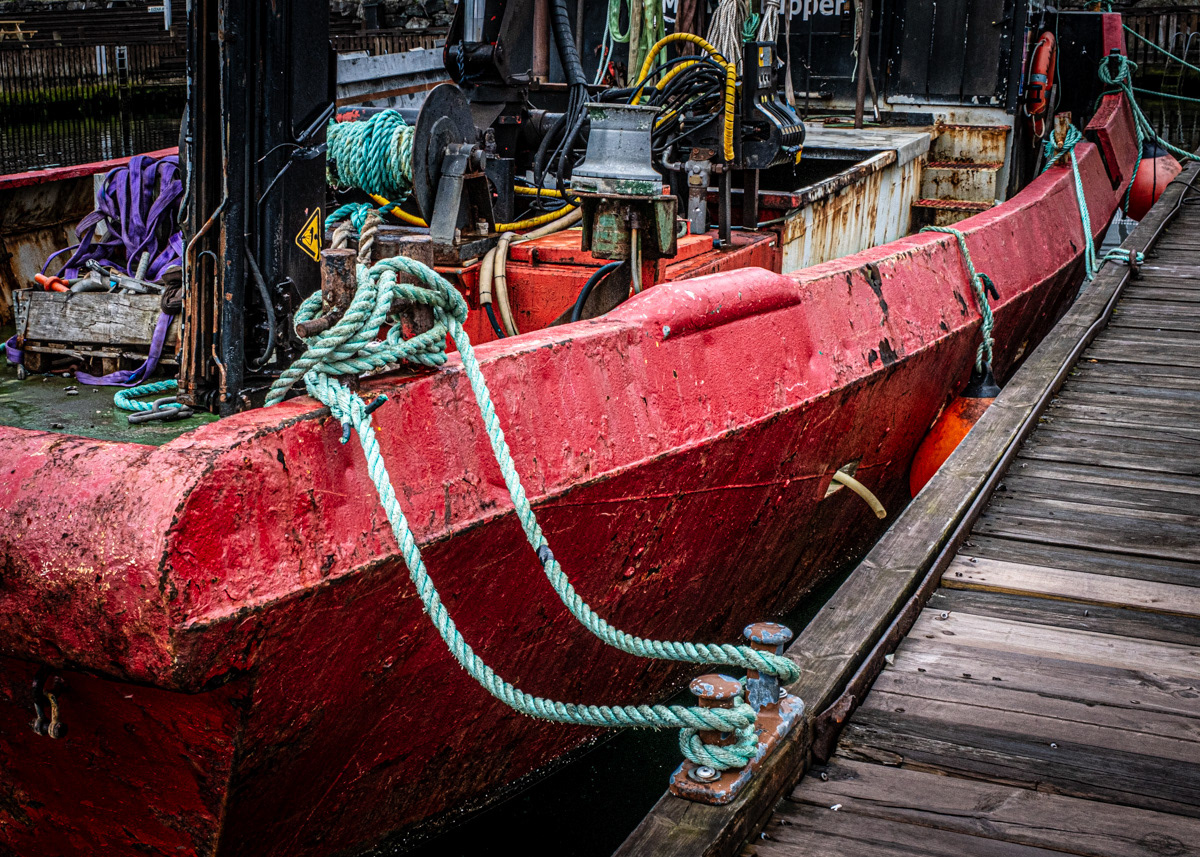
And that’s exactly what we got on Backroads’ tour of Hardangerfjord. After meeting up with the group in Voss, it became clear almost immediately that the trip was going to be soggy and damp, with a little slipping and sliding thrown in for good measure. But there’s not much you can do about the weather when the itinerary is built around hiking and bicycling. You just accept your fate and hope your socks dry before morning.
The other disappointment was the mix of guests. Most of them came from two tight-knit cliques from Georgia — nice enough people, but not exactly our crowd. The closest I came to a real conversation was with an ophthalmologist from Ohio and his NYC-based son (who reminded me of our own son in New York). We talked about photography and how our eyes “see,” which was the most intellectually stimulating moment of the trip that didn’t involve trying not to slip off a slick rock.
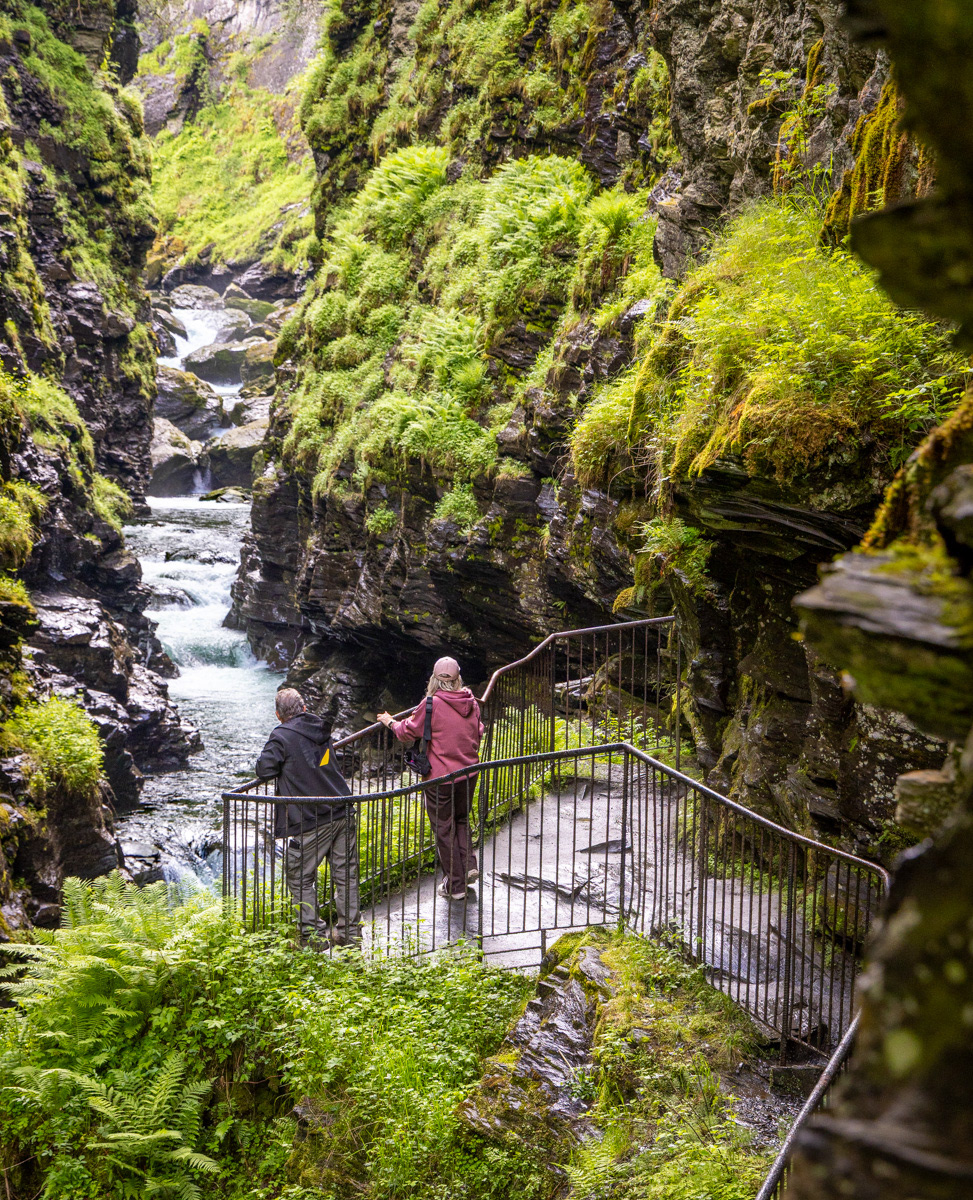
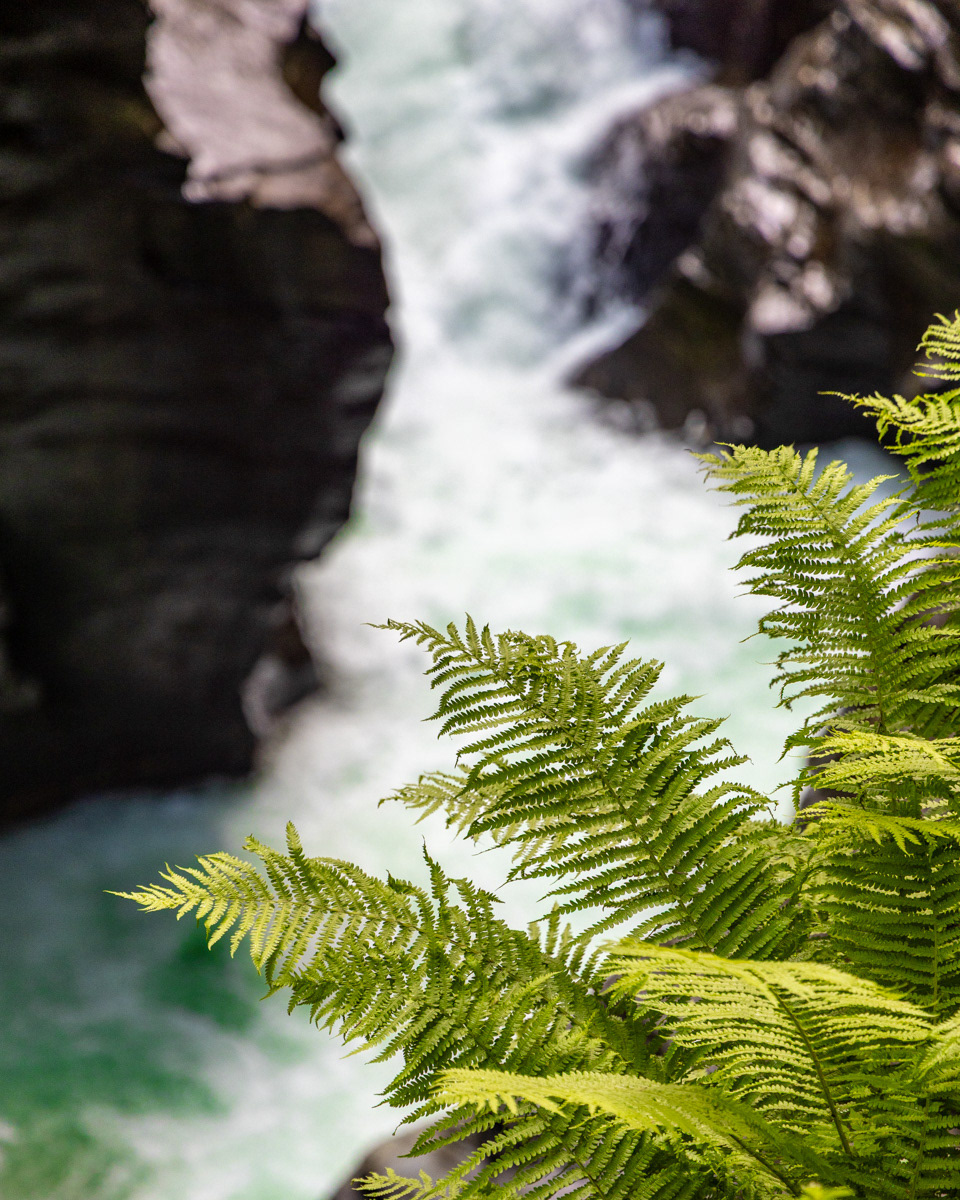
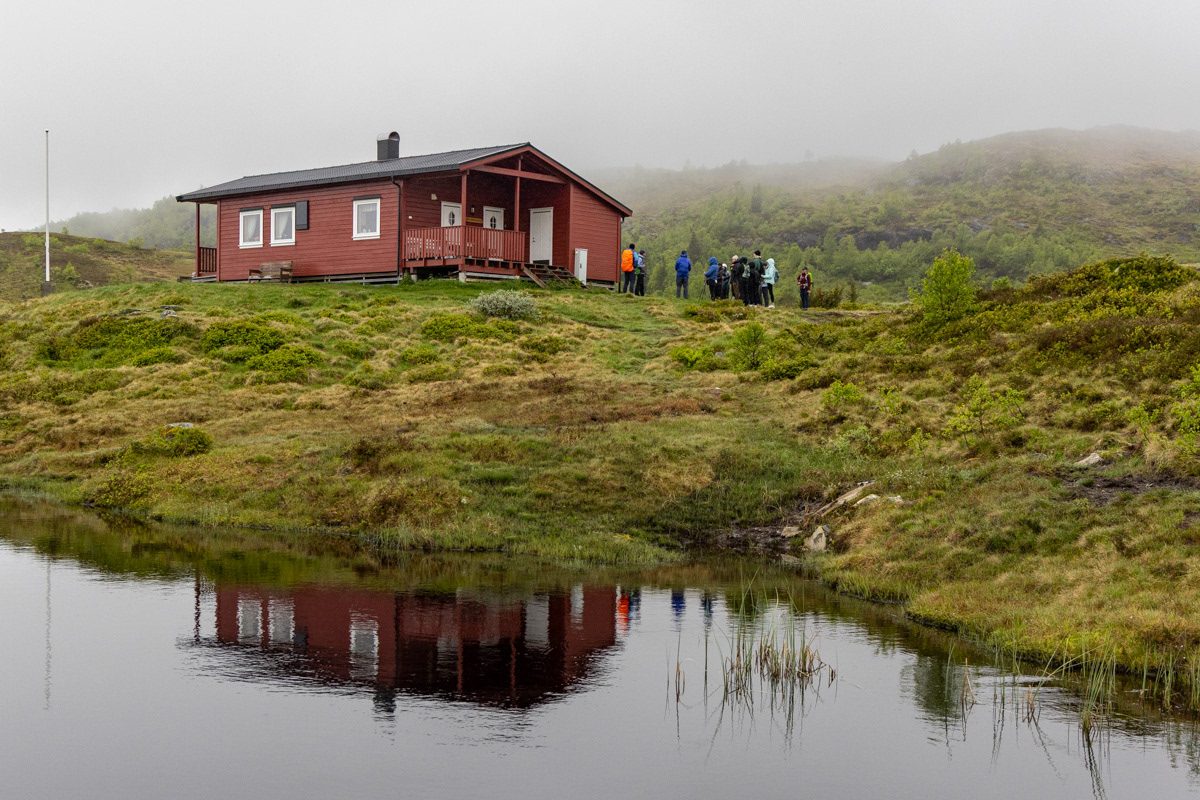
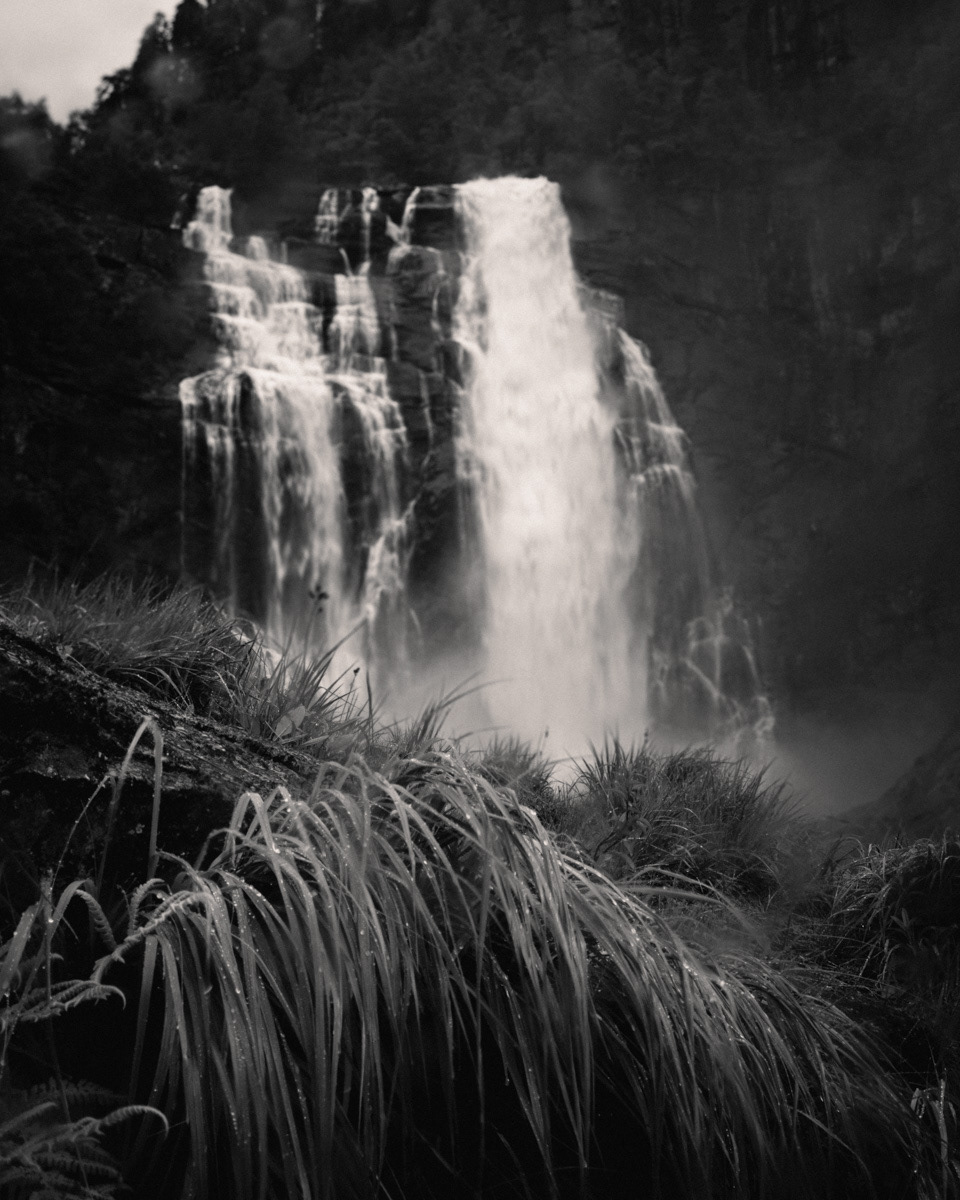
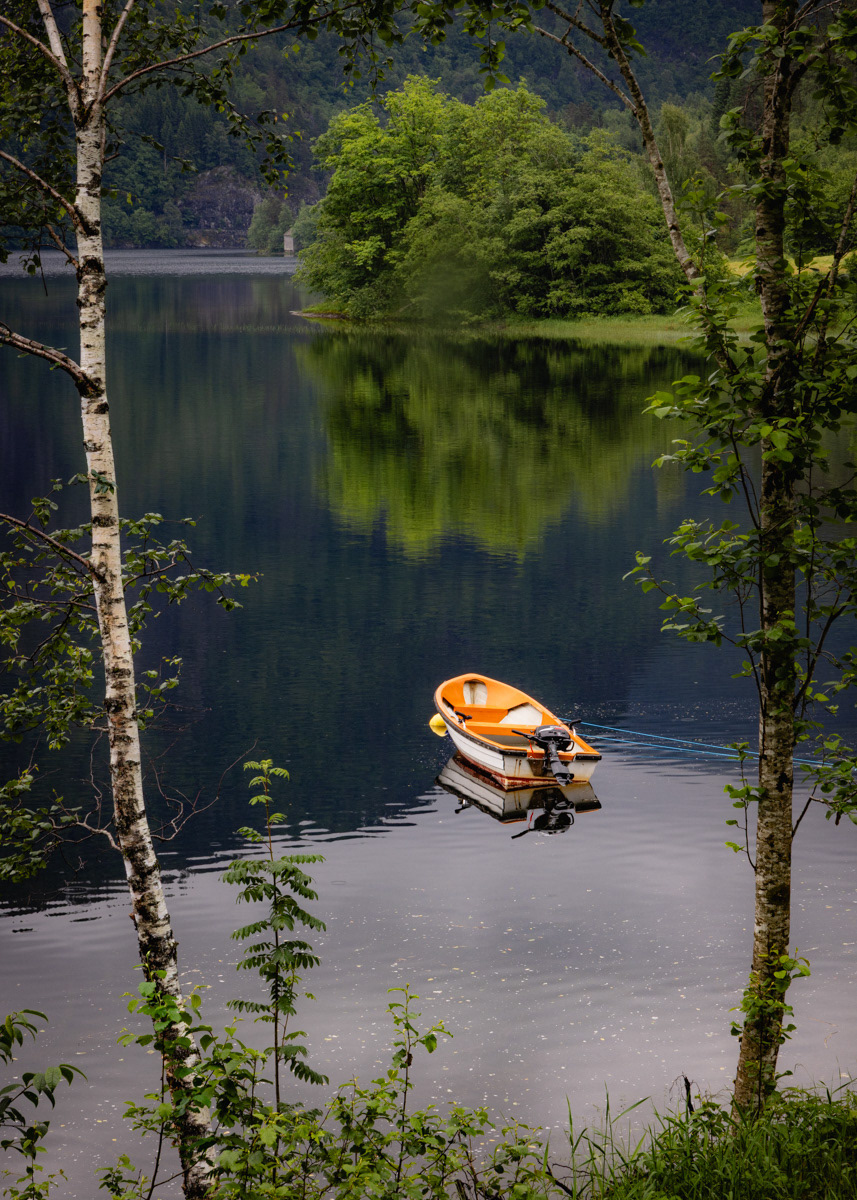
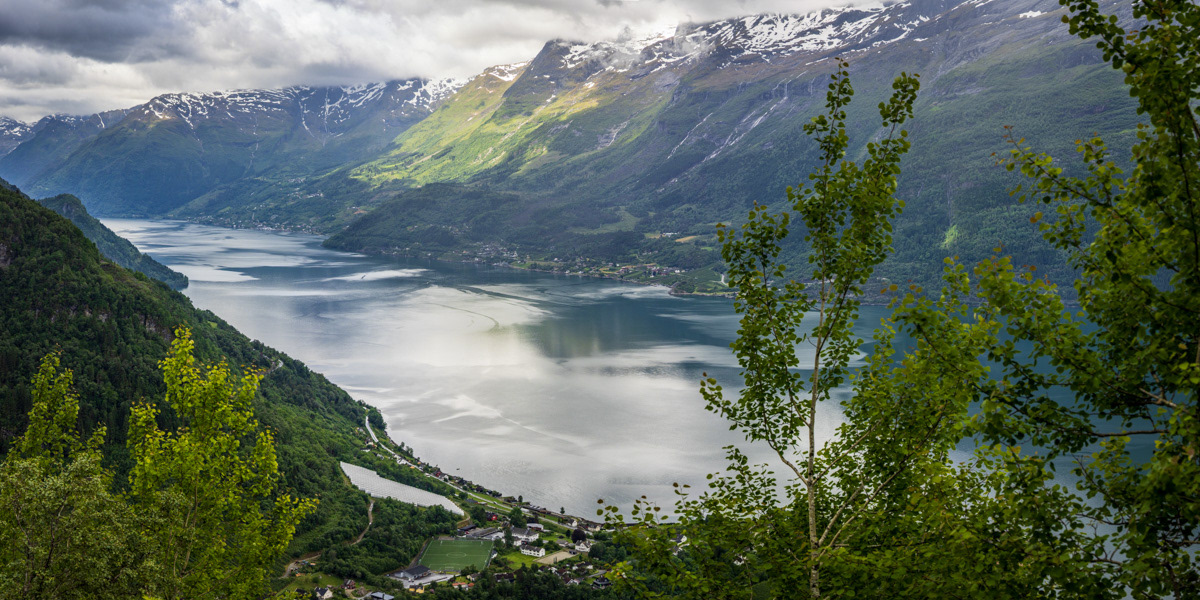
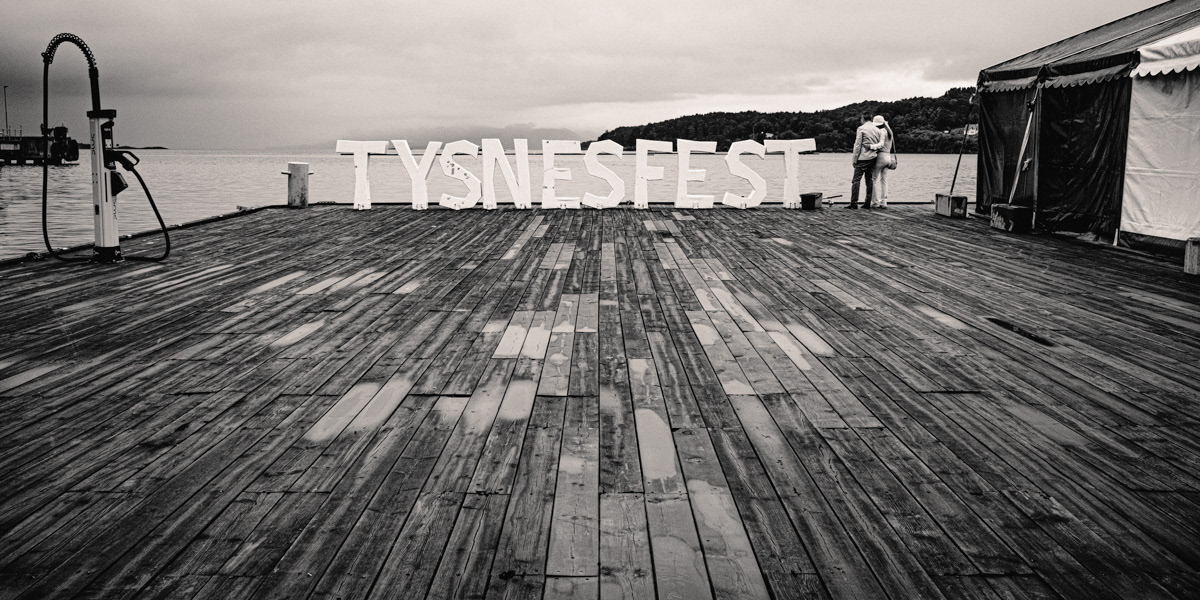
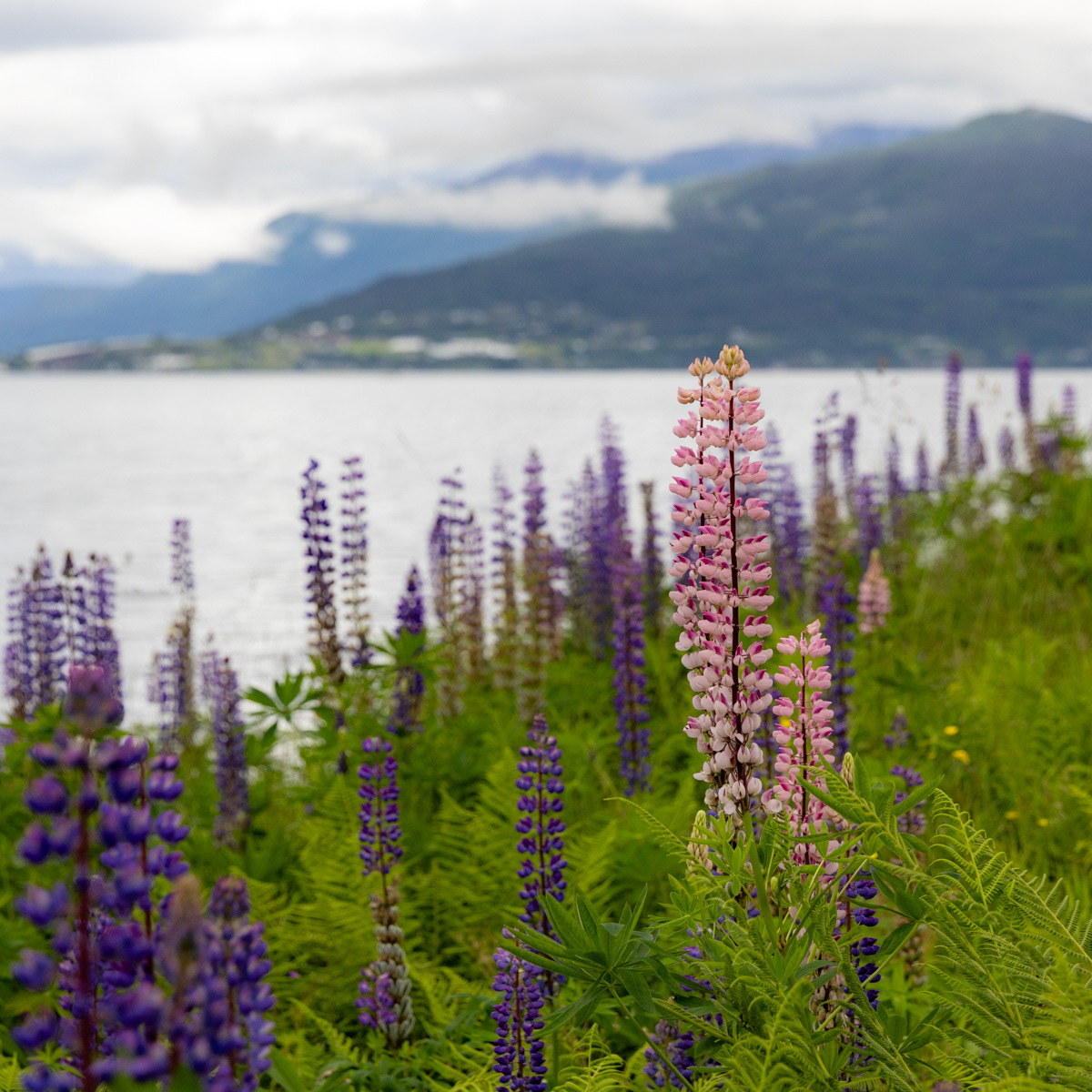
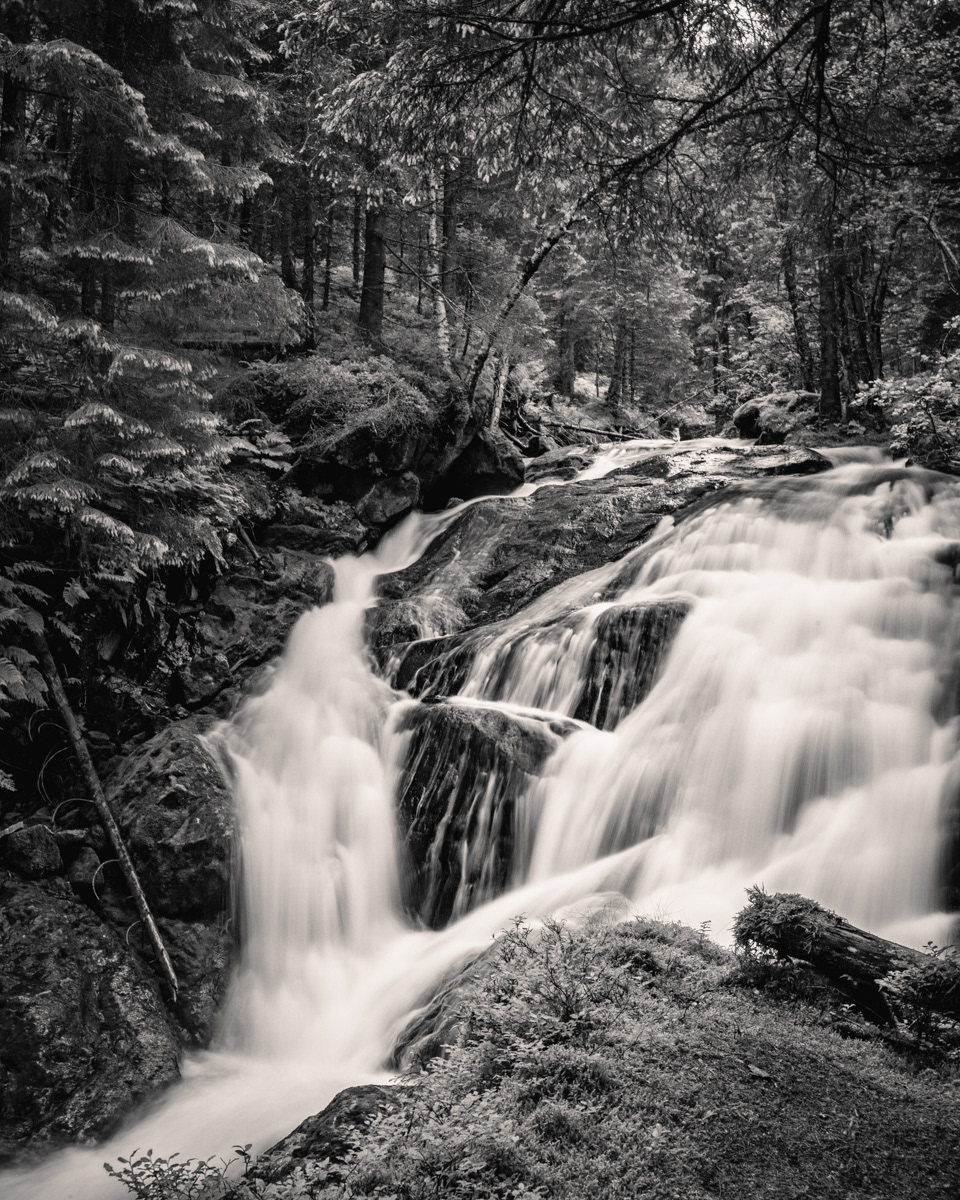
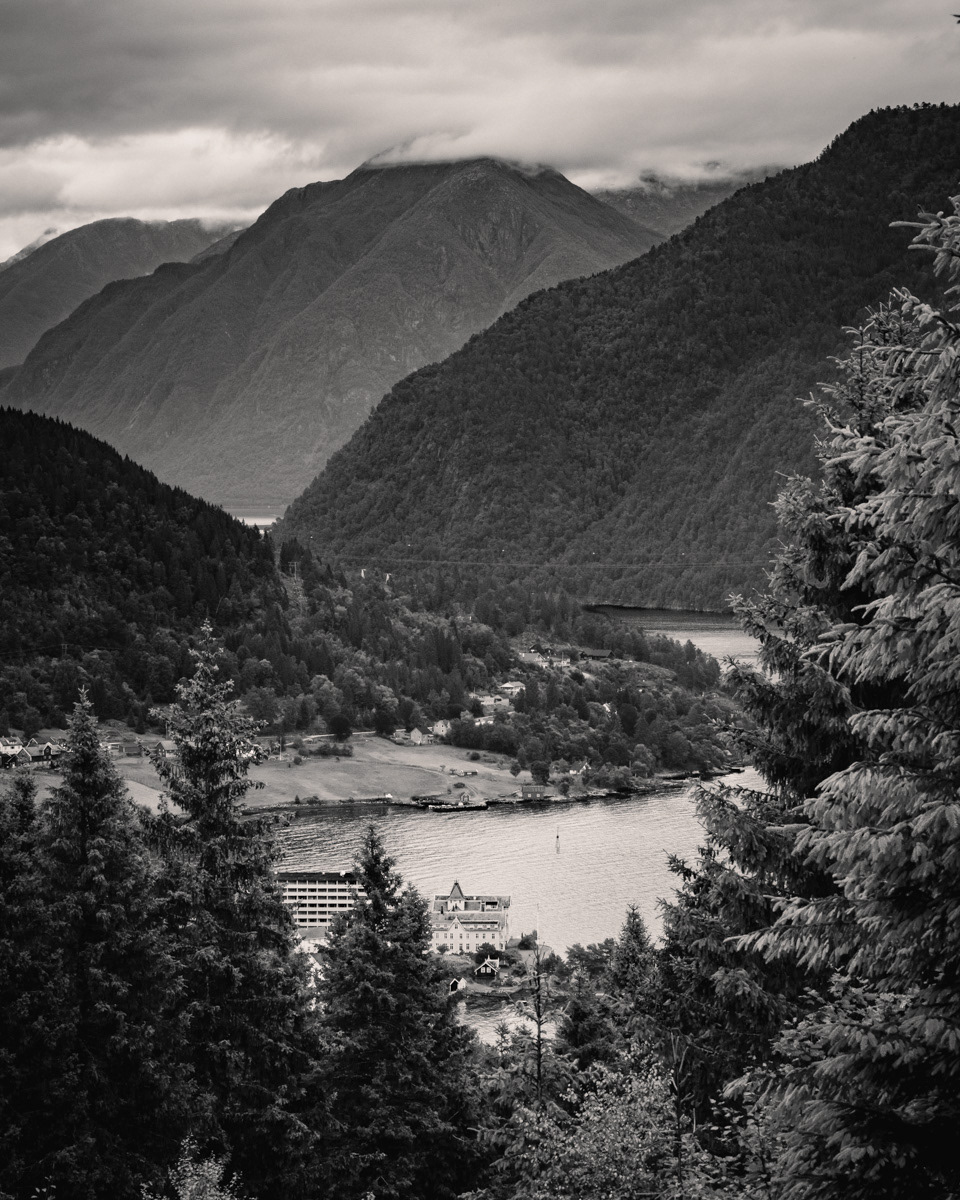
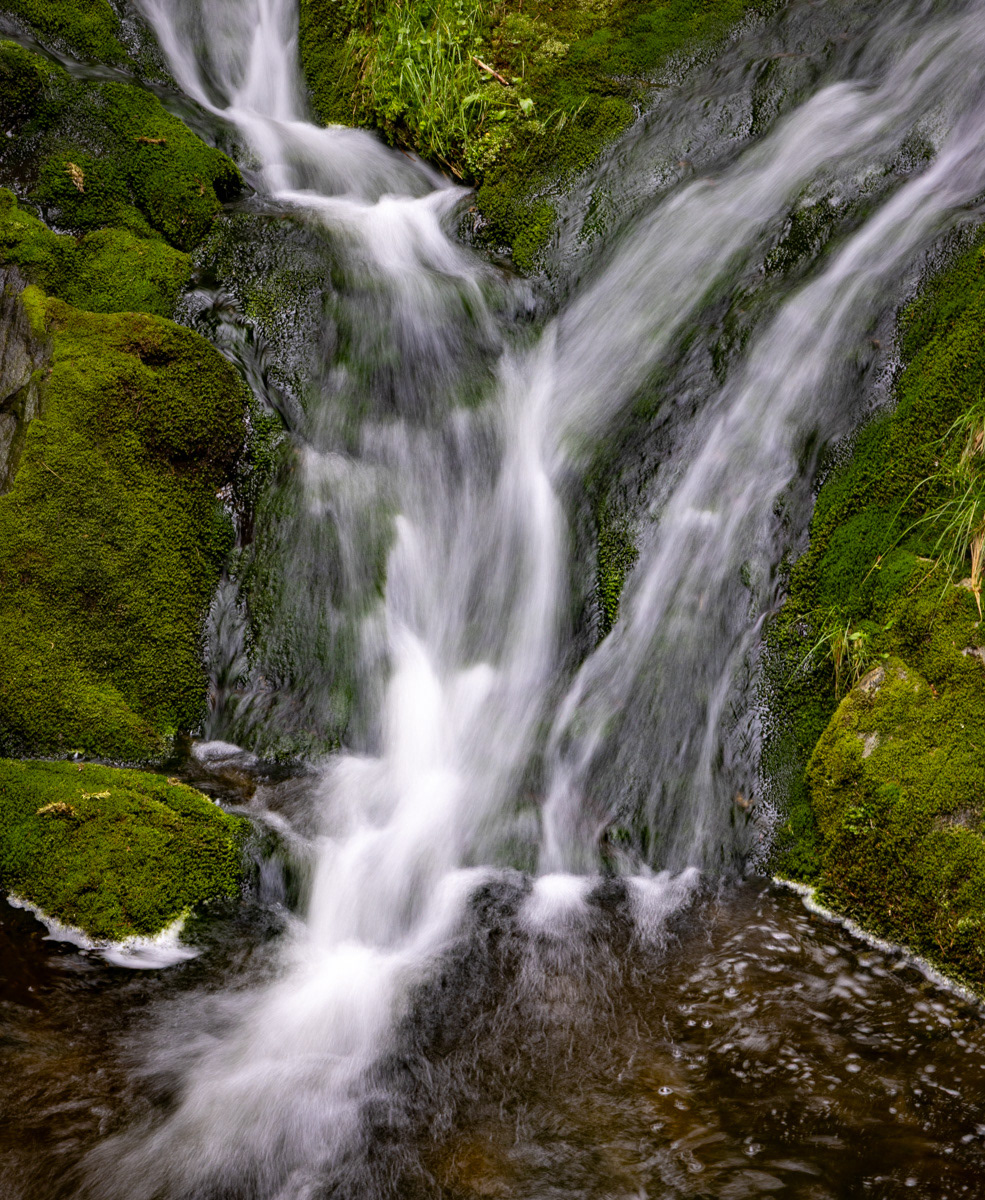
Still, there were highlights. Bicycling past Skjervsfossen, trying to take photos while being blasted by the waterfall’s spray. Marveling at the dozens of intermittent waterfalls further down the valley. Feeling the sun finally break through as we raced along the shores of Granvinsvatnet. Slogging up the mountain to Dagsturhytta Lofthus and being rewarded with a view down Sørfjorden, the sun struggling to shine through like it was doing us a favor. And whizzing around the island of Tysnes — my first true realization that riding an electric bike is, in fact, ridiculously fun.
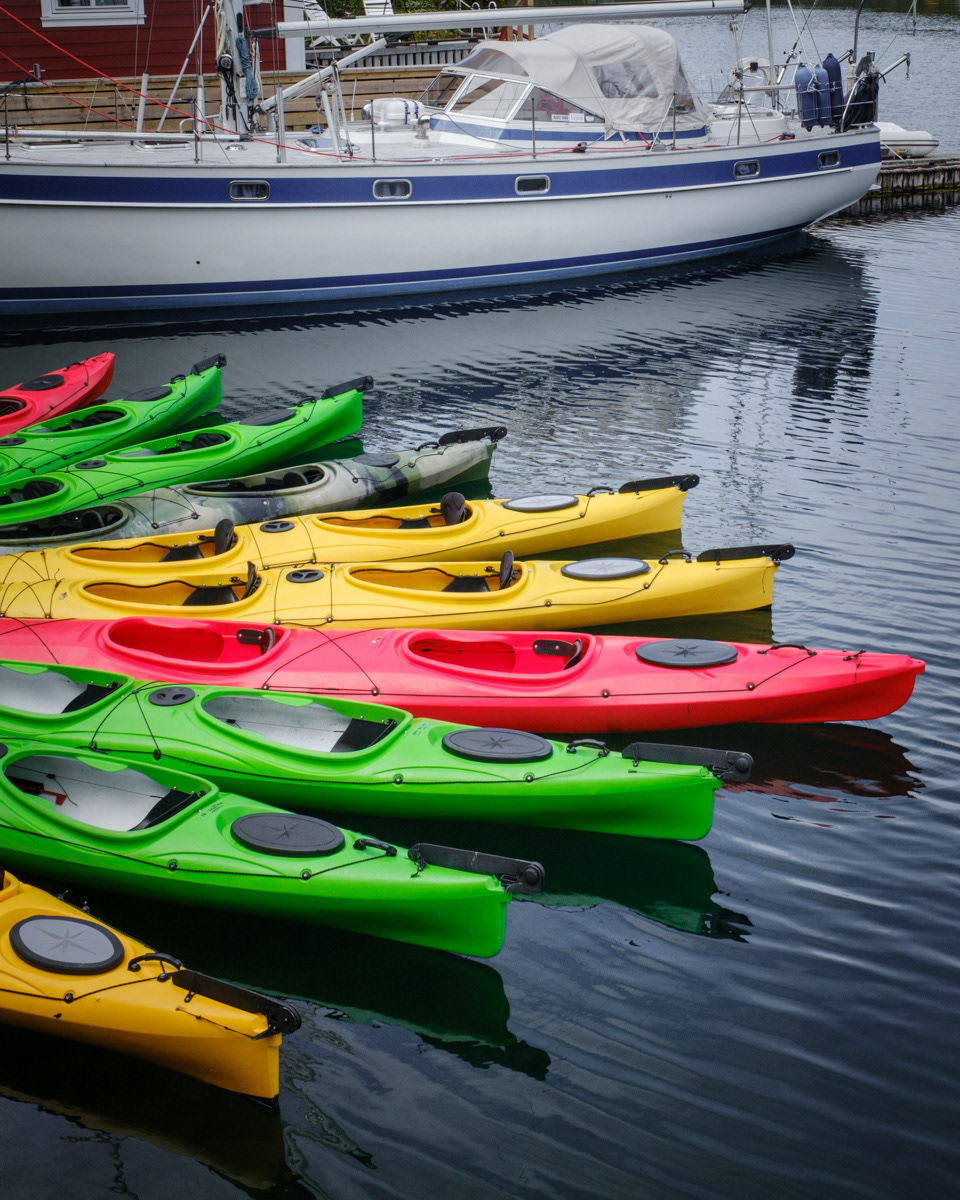
The lowlights, however, were truly low. We flipped our kayak in the fjord not once, but twice. By the second dunk, we were basically performing a slapstick routine for the tour group. I swear something was wrong with that kayak; we’ve used kayaks many times without so much as a wobble. But the silver lining was the dry bag, which heroically kept my camera safe despite two full dunks. And, if I’m honest, the water was not cold, surprisingly — just humbling.
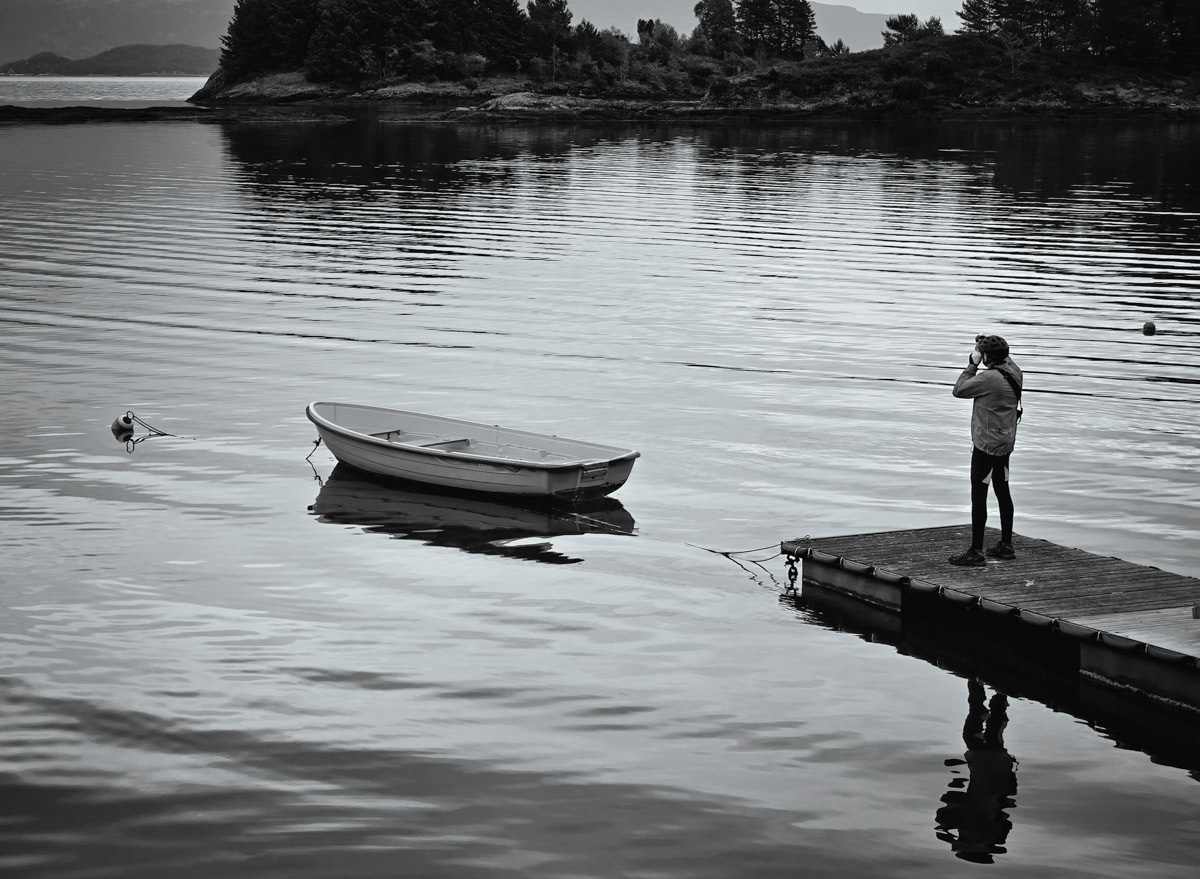
At the end of the tour, a taxi dropped us off back in Bergen. The next day, we were climbing aboard yet another ferry, this time to Sognefjord — finally doing things on our own terms. After days of slipping, sliding, and flipping kayaks, we were ready to reclaim the trip on our own terms.
SOGNEFJORD
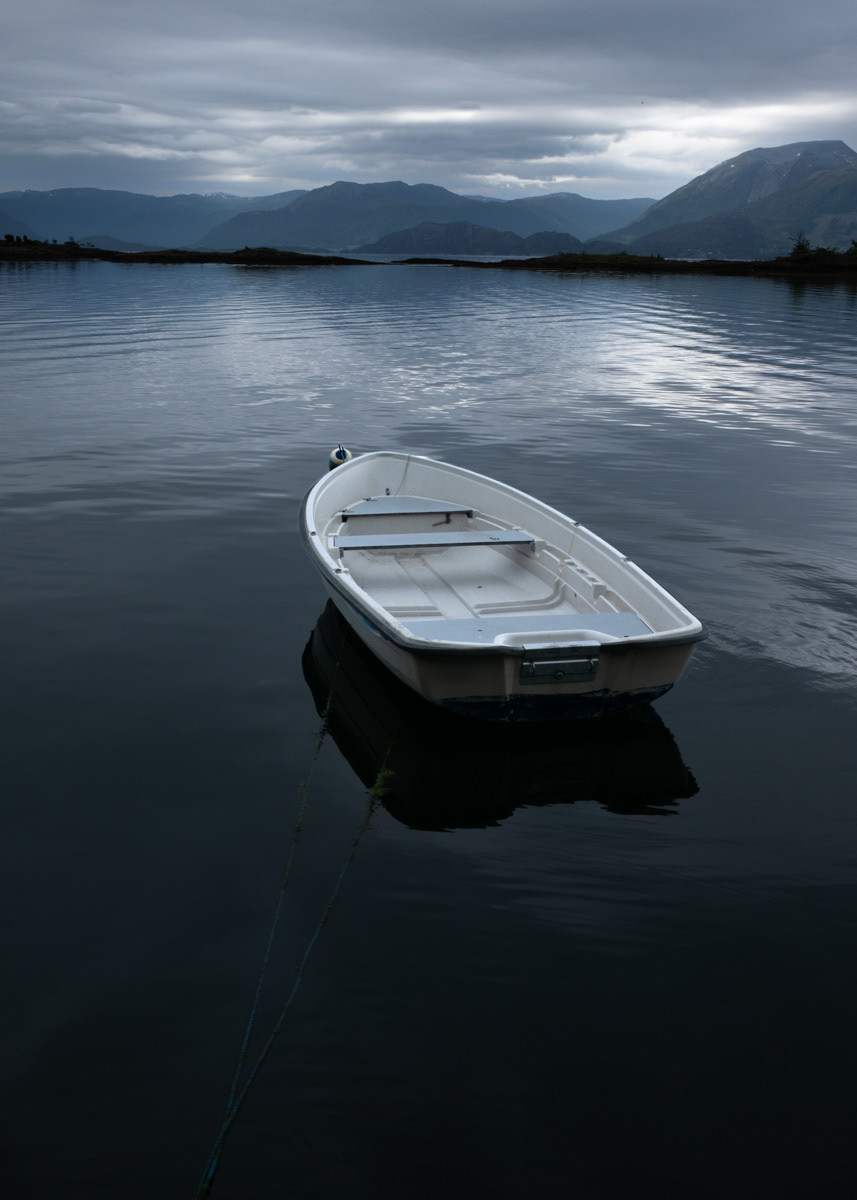
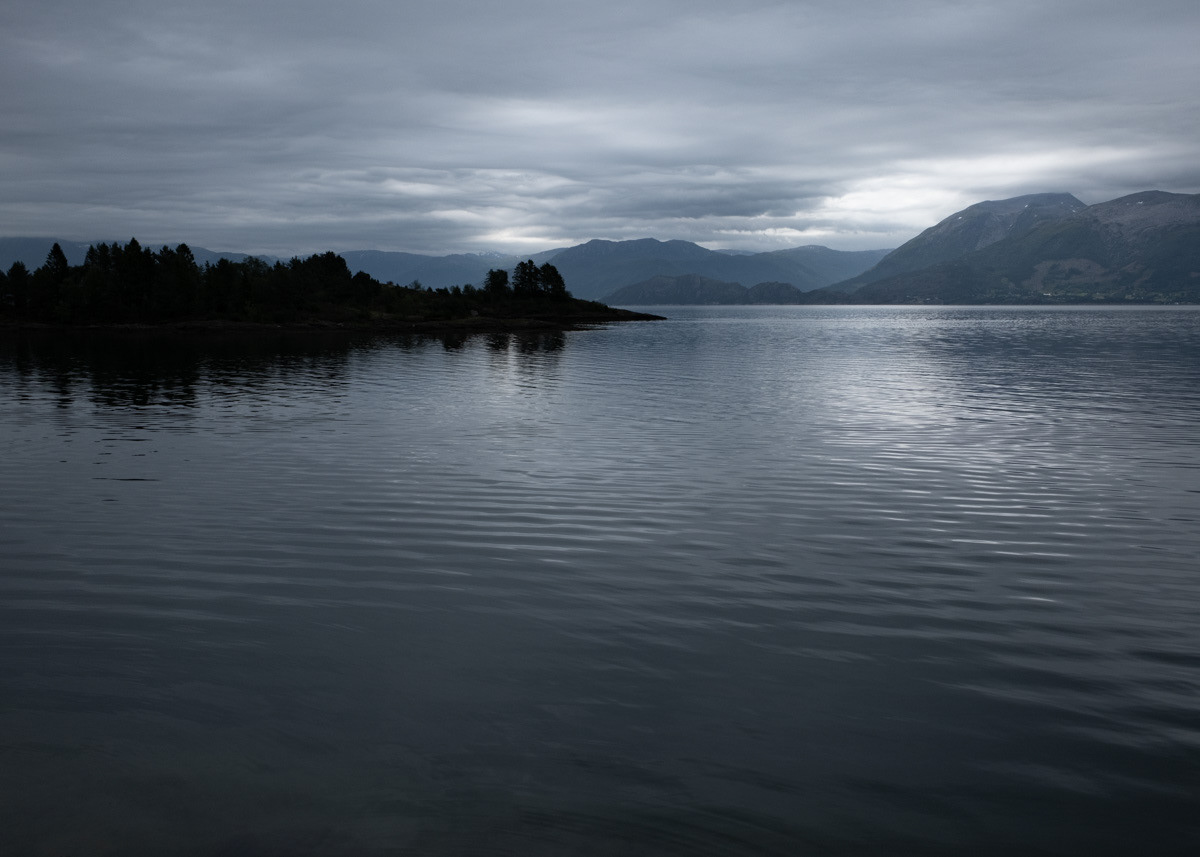
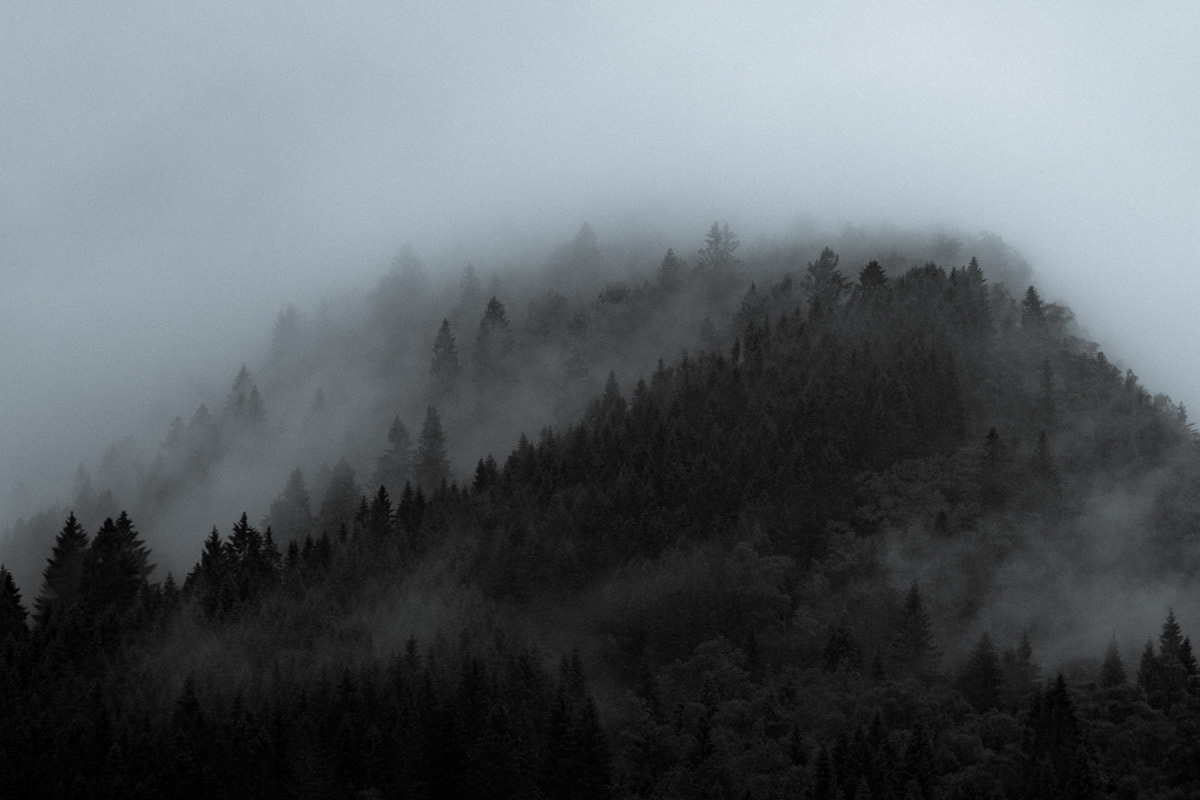
The morning mist still clung to Bergen as we set out on the “scenic route” to Oslo. We planned a two-day trip up the Sognefjord, with an overnight in Balestrand, before catching a train that would eventually carry us to the capital.
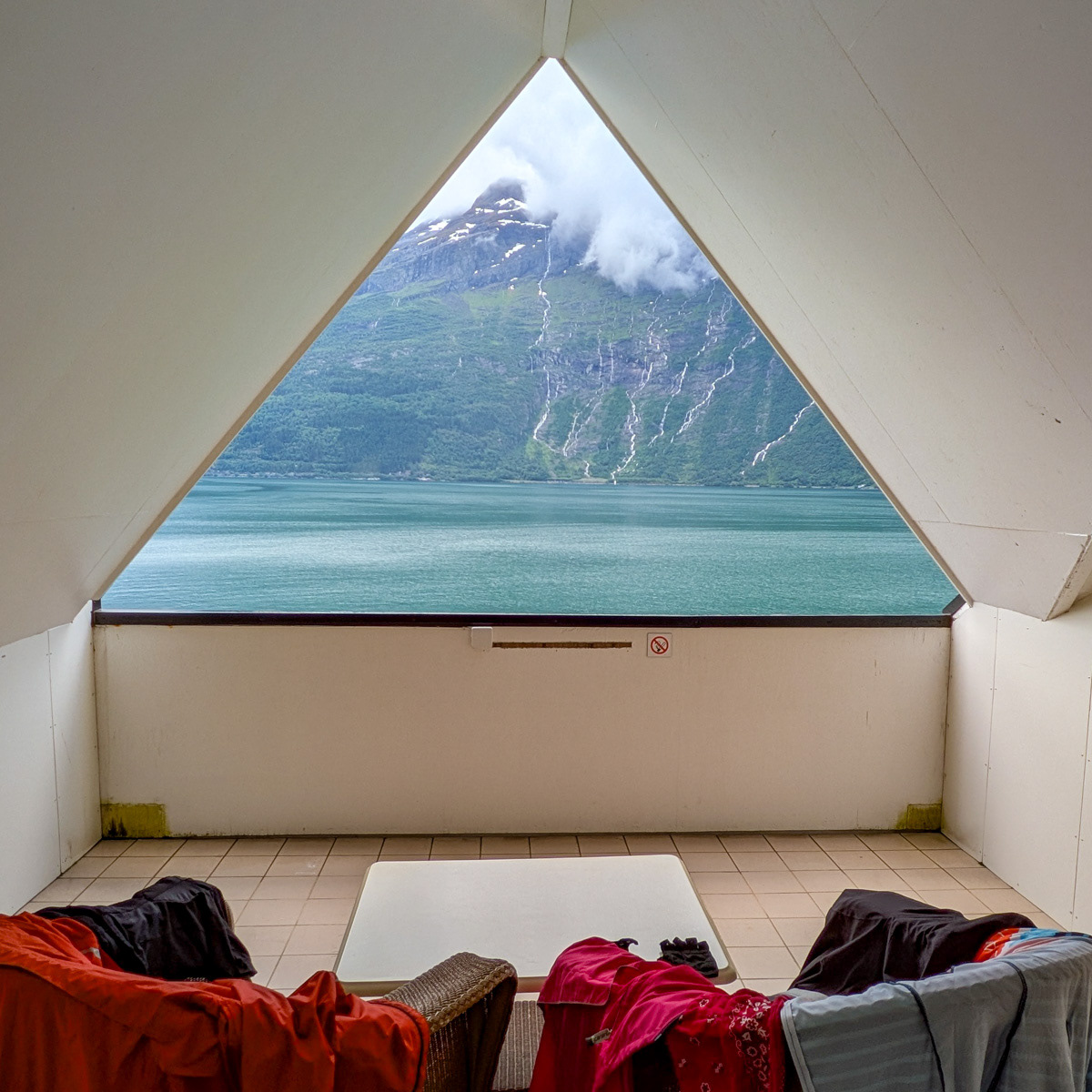
This was our Norway “do-over” — a chance to reclaim the trip on our own terms. Instead of being dragged along an agenda not of our choosing, these two days were entirely ours. Sure, it was gray and drizzly the whole time, but if we wanted to go for a walk, laze in the hotel room, or find a restaurant of our own choosing, that was completely up to us.
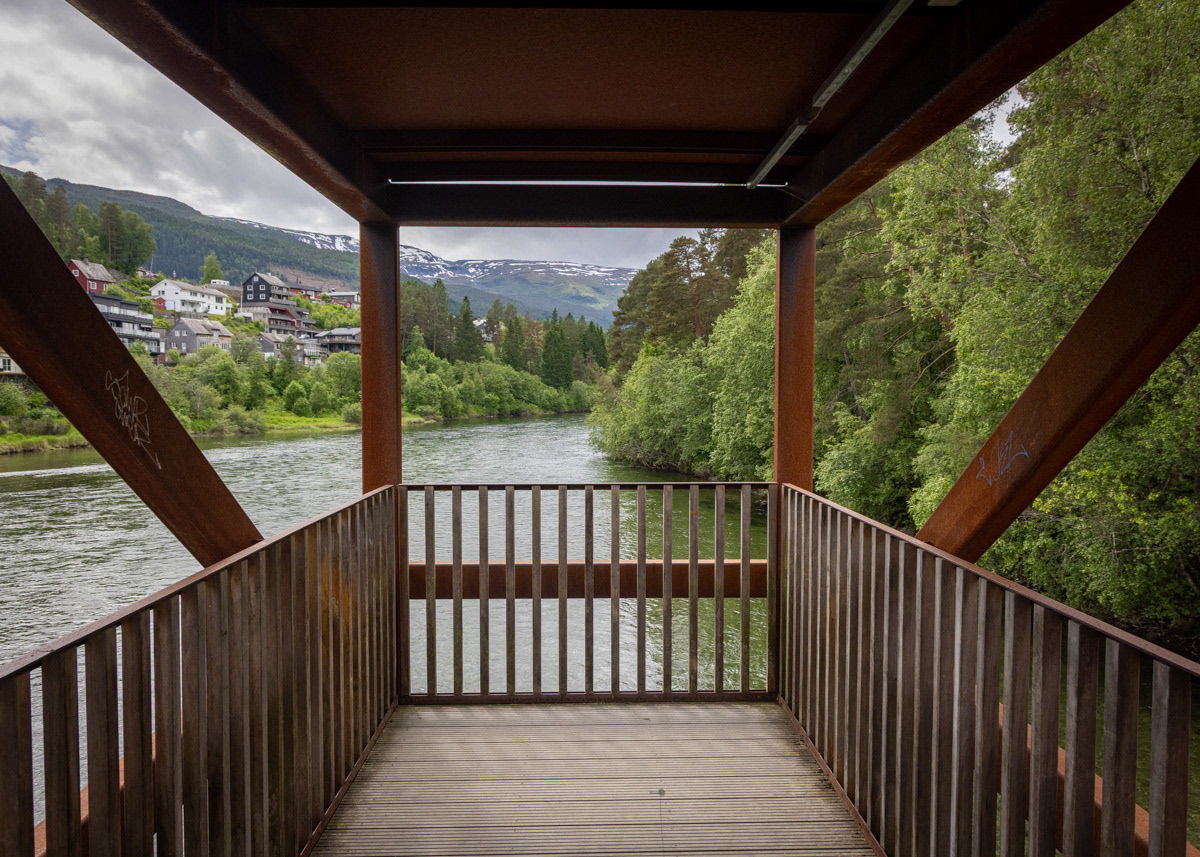
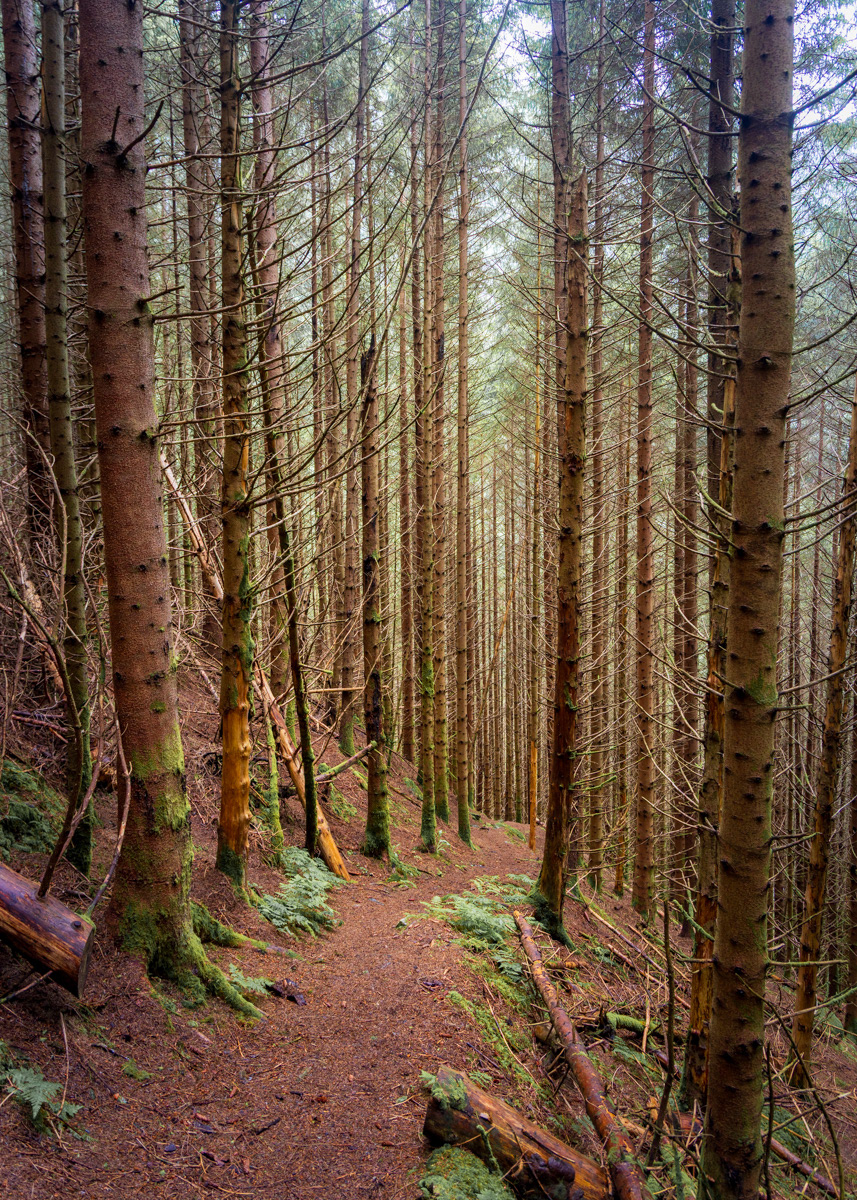
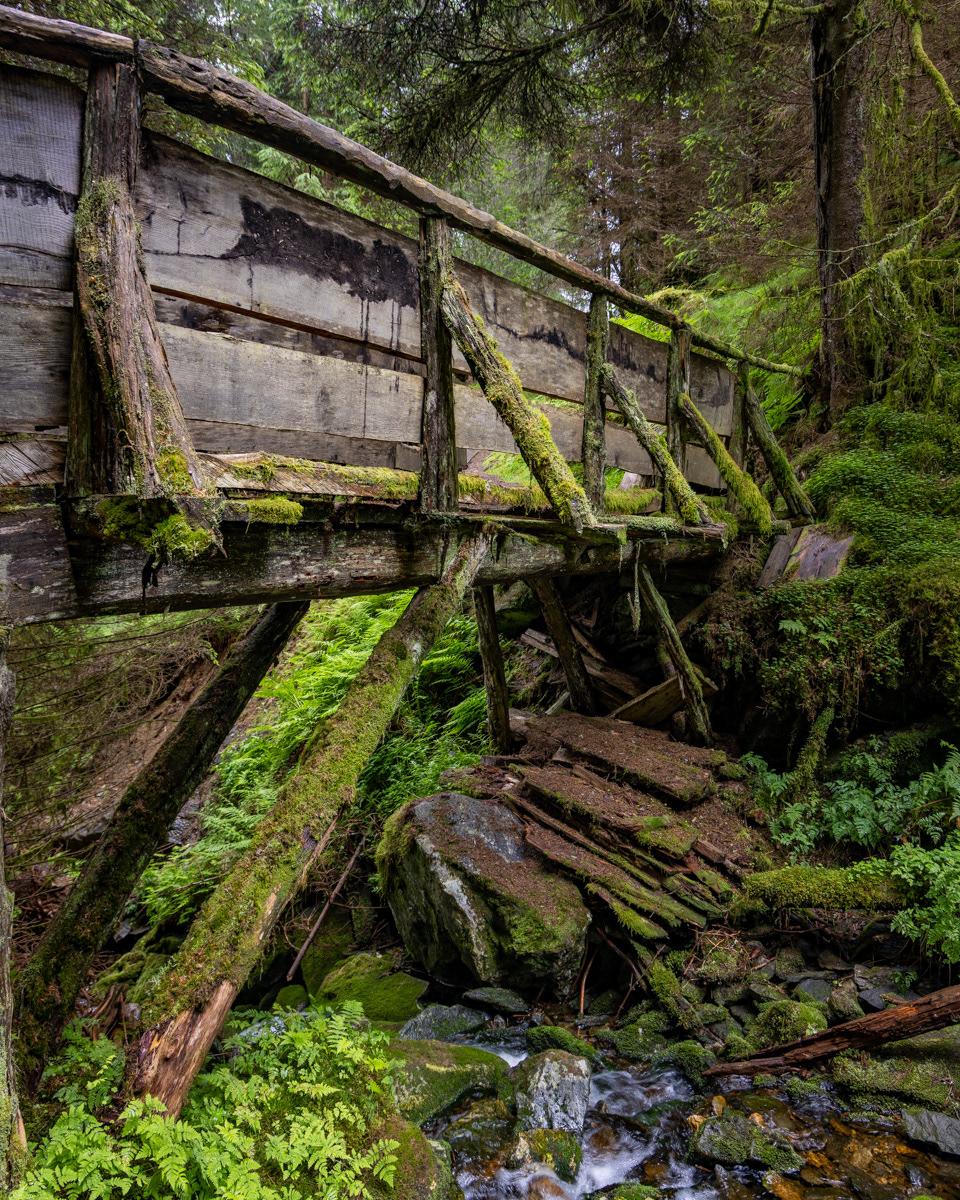
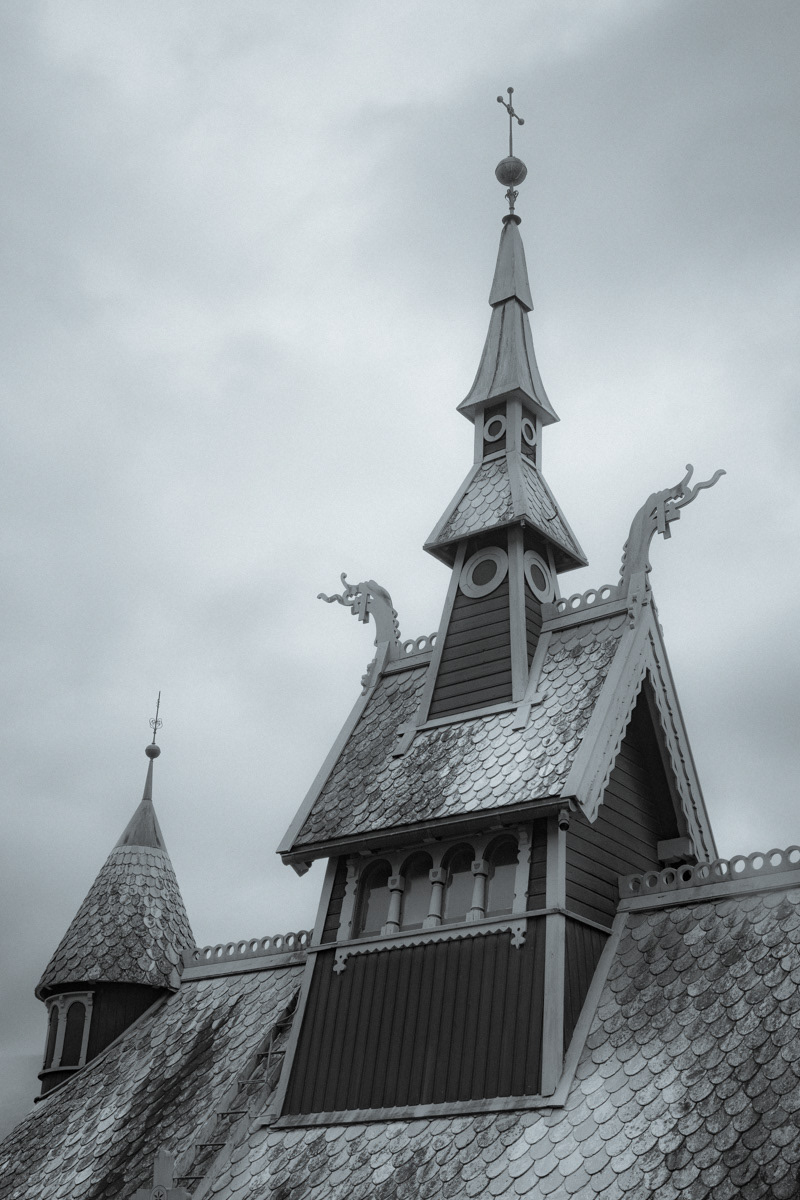
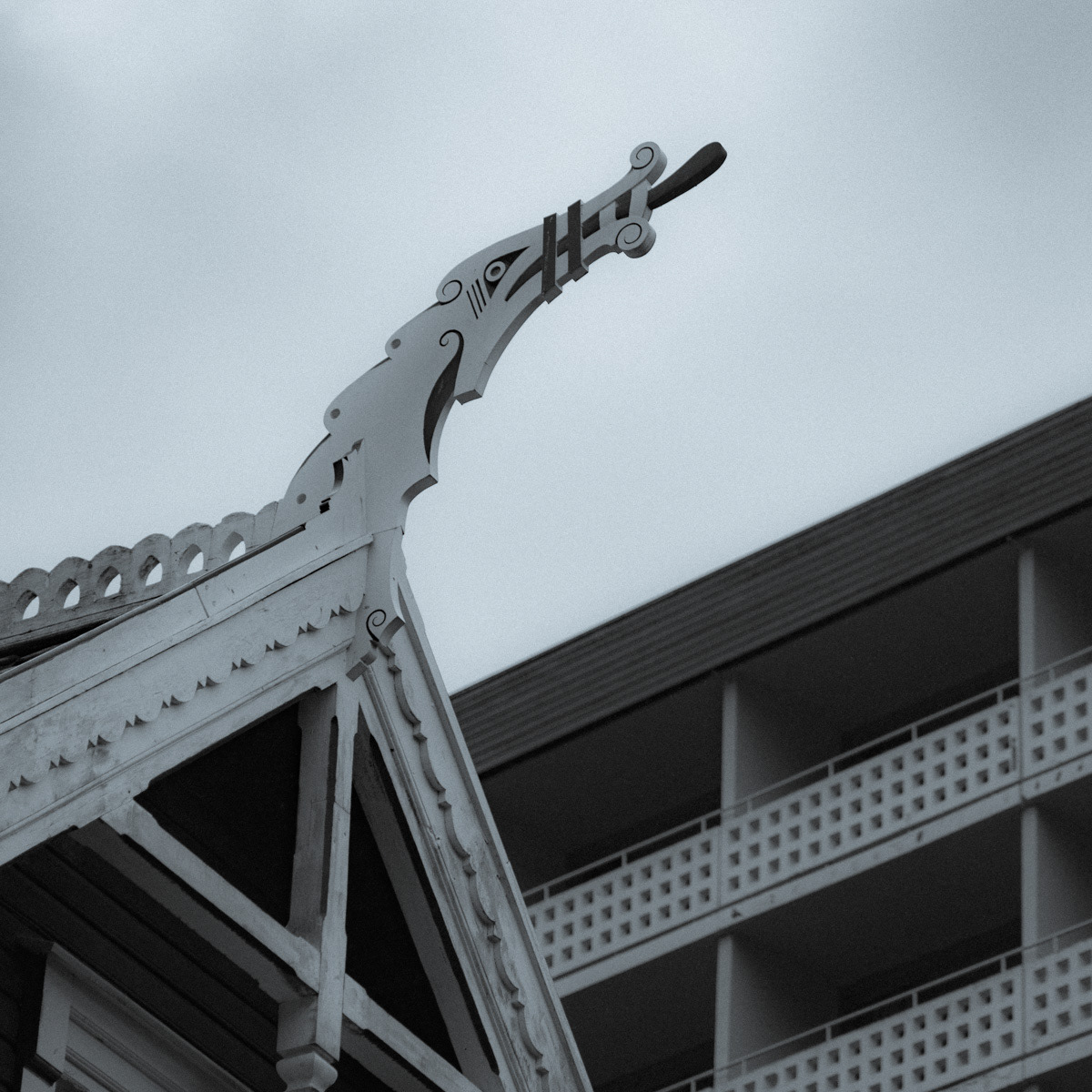
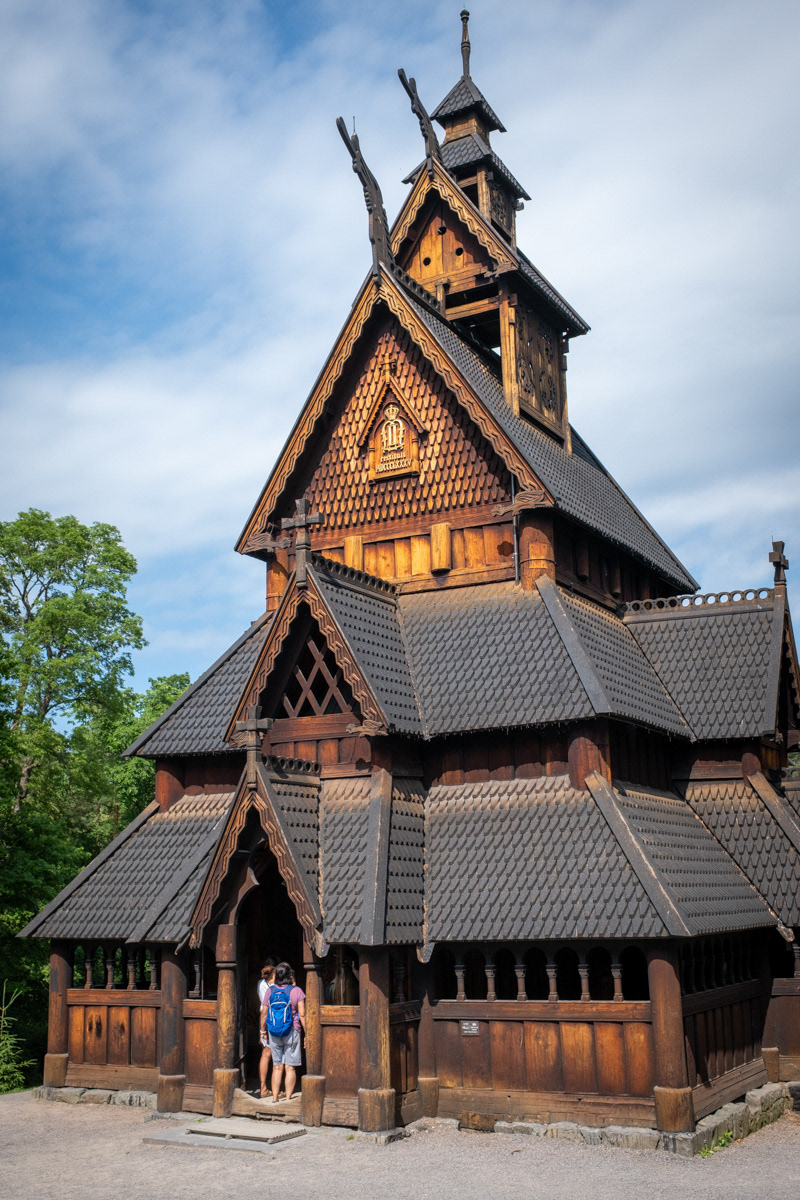
After the ferry dropped us off in Balestrand, we walked the main drag, marveling at the historic buildings and monuments. We were especially taken by St. Olaf’s Church, an old stave structure that inspired Elsa’s coronation chapel in Disney’s Frozen. I went off on a hike — trail 7A, as a matter of fact — that looped high above the town, past unnamed waterfalls and over rickety, moss-covered footbridges. At dinnertime, we ate in the hotel’s vast dining hall, listening to the maître d’ sing to a child who had decided his oeuvre was to cry at the top of his lungs.
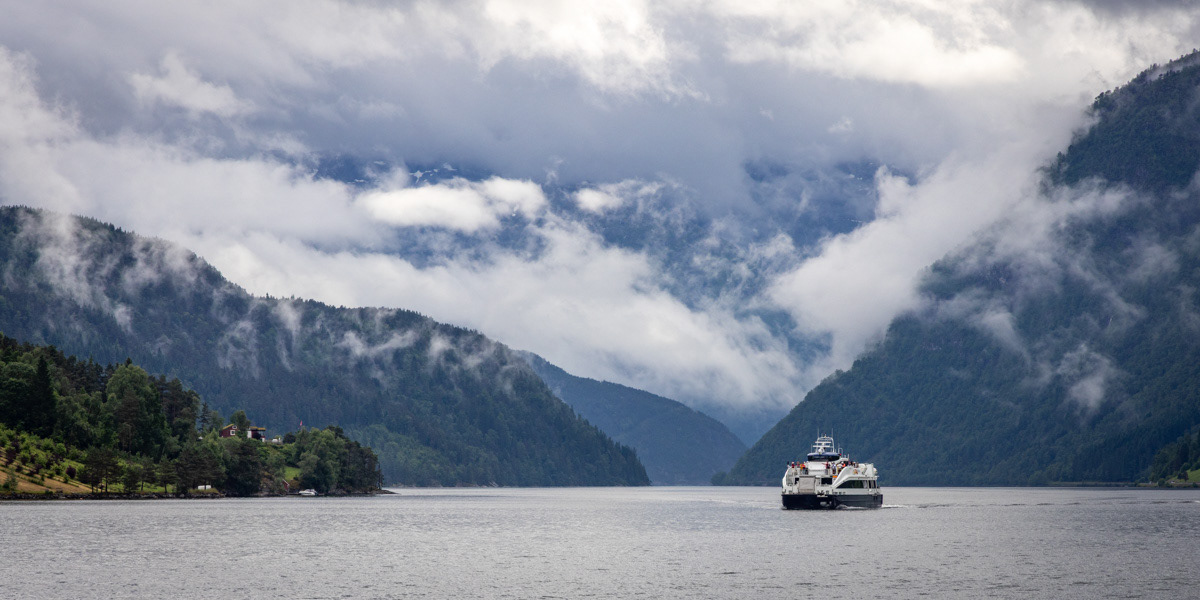
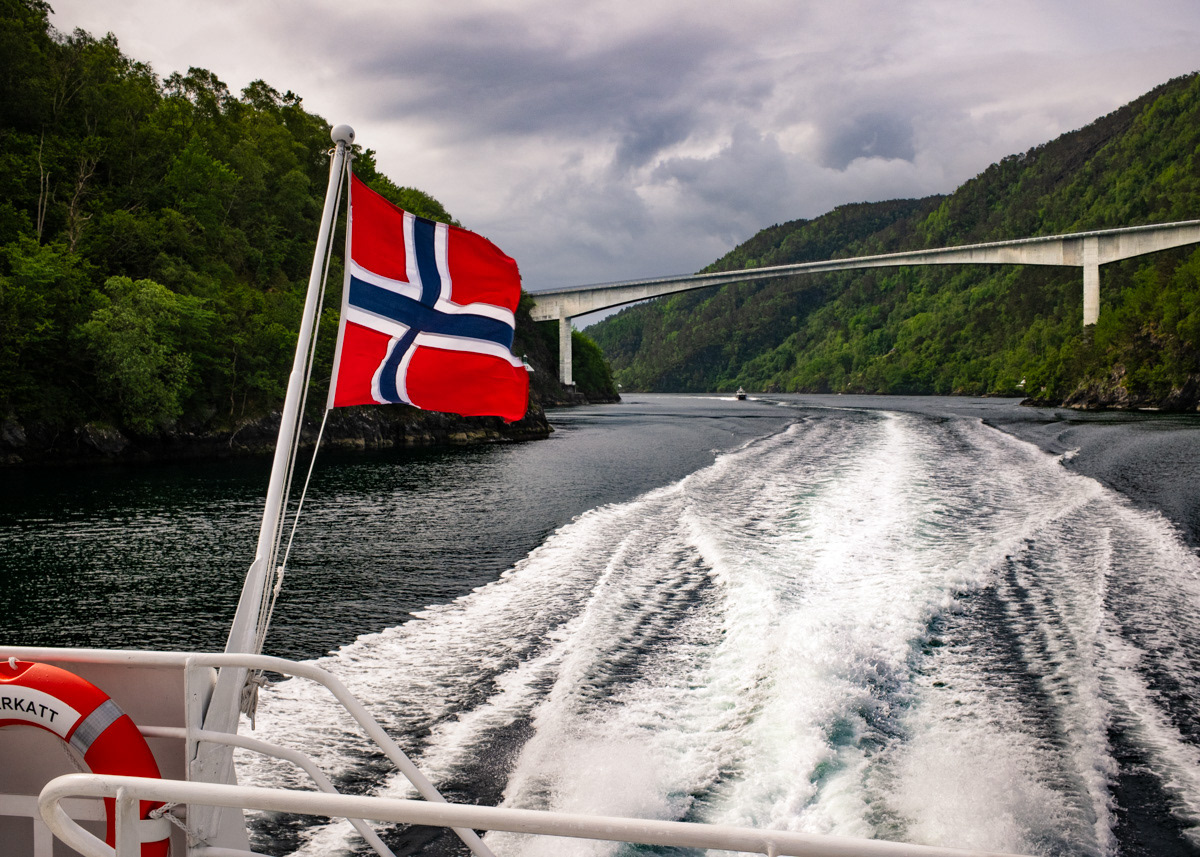
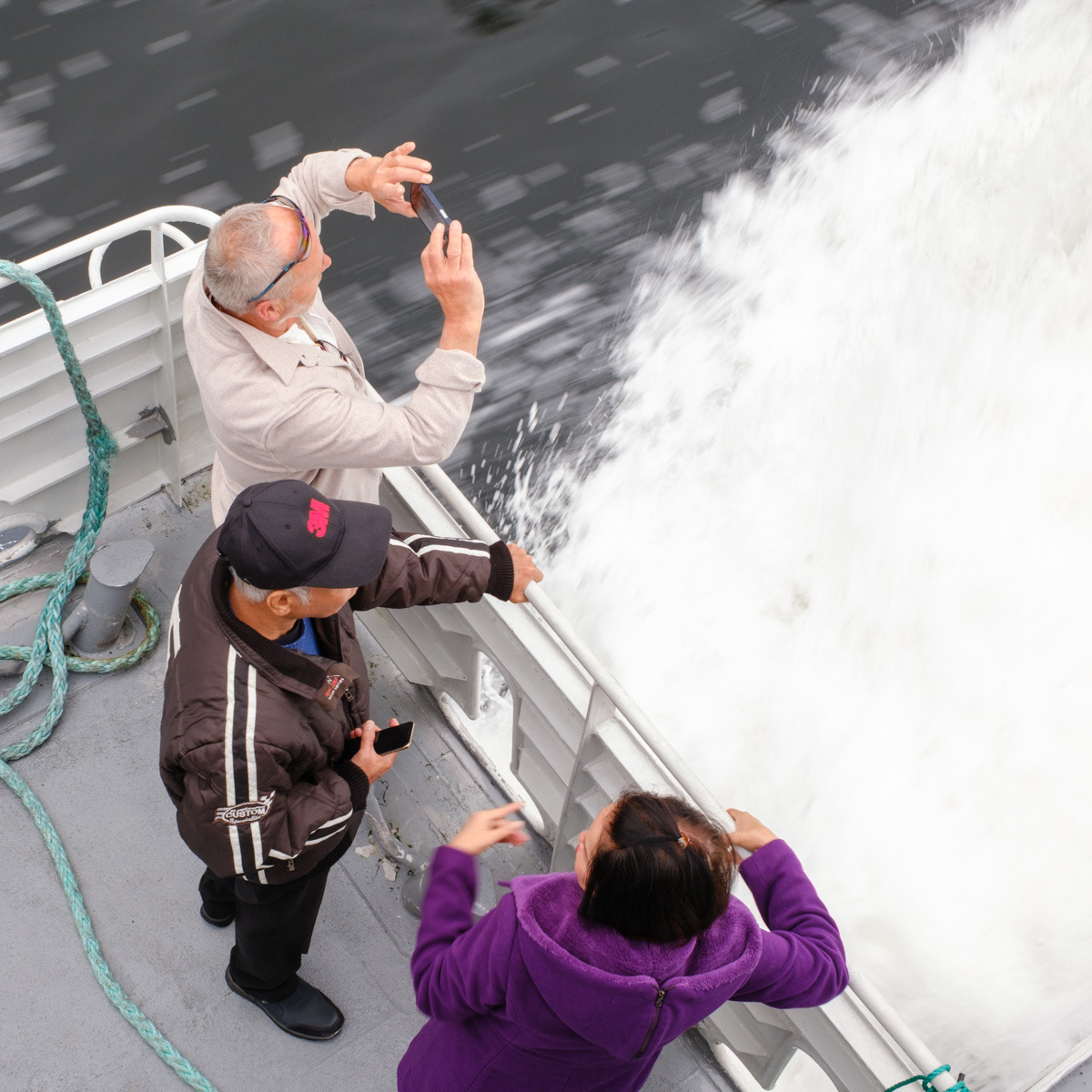
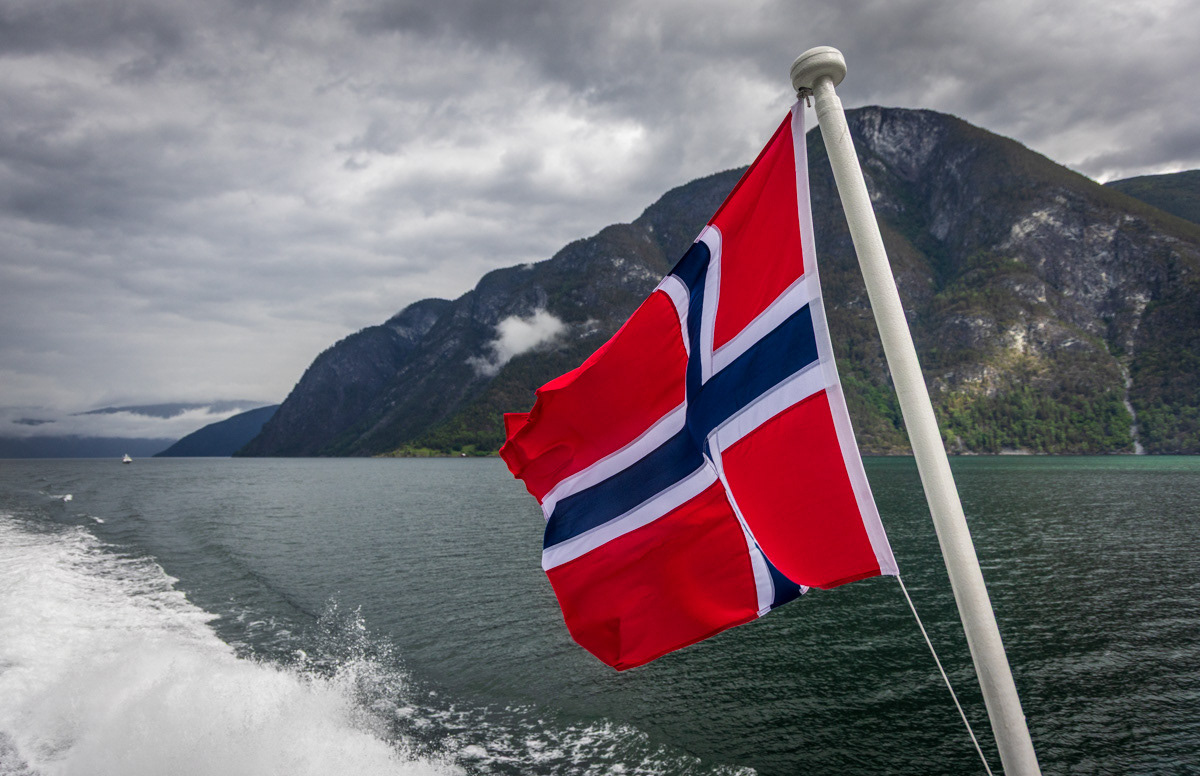
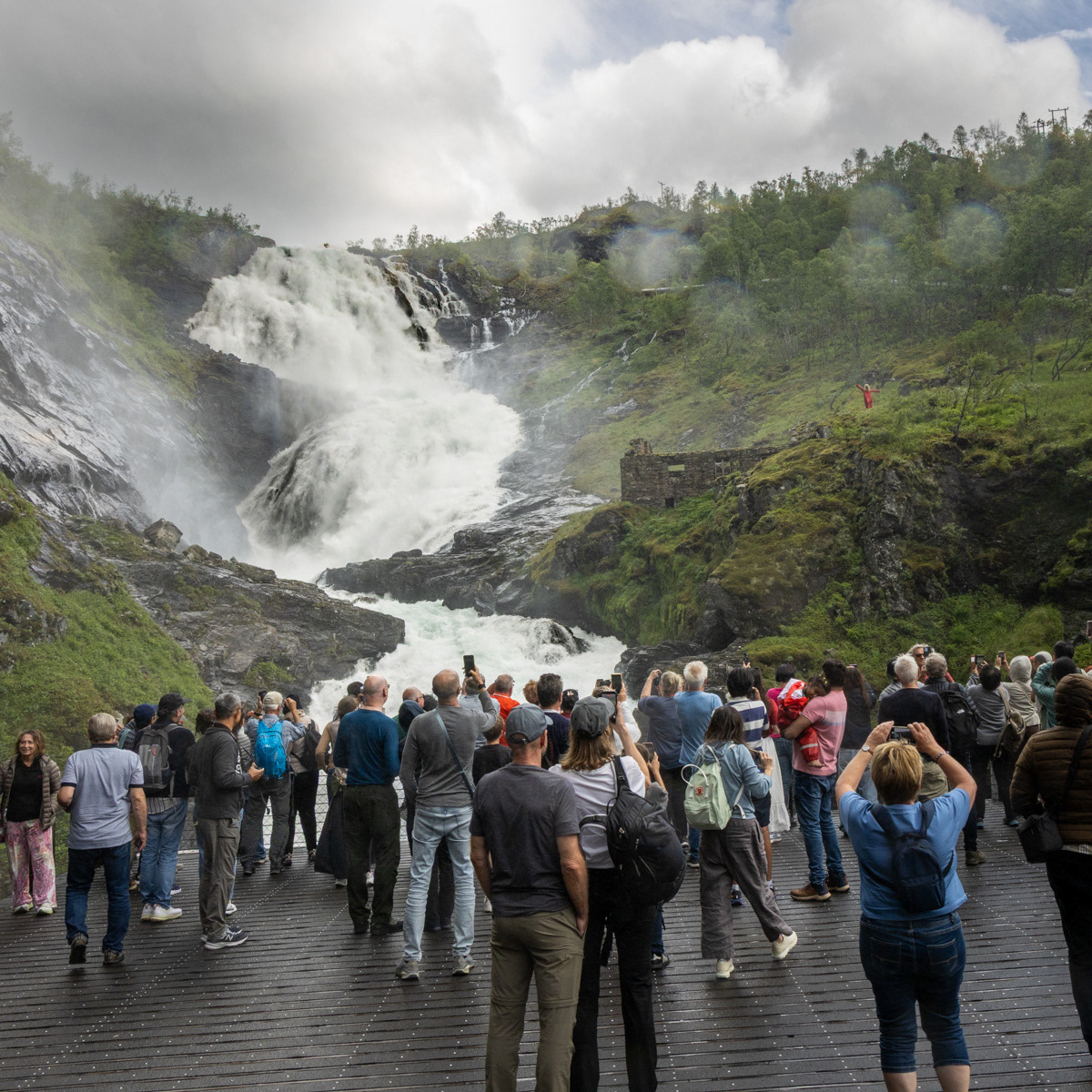
On our second day, we caught the ferry again, but this time to Flåm. The captain nimbly steered the boat impossibly close to the waterfalls plunging down the mountainsides into the fjord. Just as we approached the dock in Flåm, the clouds parted, and for the first time in a week, we felt kissed by the sun.
The rest of the journey was a blur. The Flåmsbana climbed more than 800 meters in just 20 kilometers, threading through tunnel after tunnel as the landscape shifted from fjordside green to subarctic stone. Then we connected with the main line from Bergen to Oslo and watched the scenery dissolve into watery emptiness, the train ducking in and out of snow sheds as if surfacing for air.
We pulled into Oslo around ten at night — tired, stiff, and in need of a meal. When we stepped out of the station, we were enveloped in the late-night summer sun, the throngs of young people going this way and that, streetcars pulling up almost continuously, and for us, a feeling of pure joy. Walking the streets to our hotel, we passed bar after bar full of cheering, drunken crowds clearly watching the World Cup match between Norway and France in their final Group I game.
We arrived in Oslo with no expectations at all — which turned out to be the perfect way to meet the city. And Oslo met us with exactly the kind of clarity we needed.
OSLO
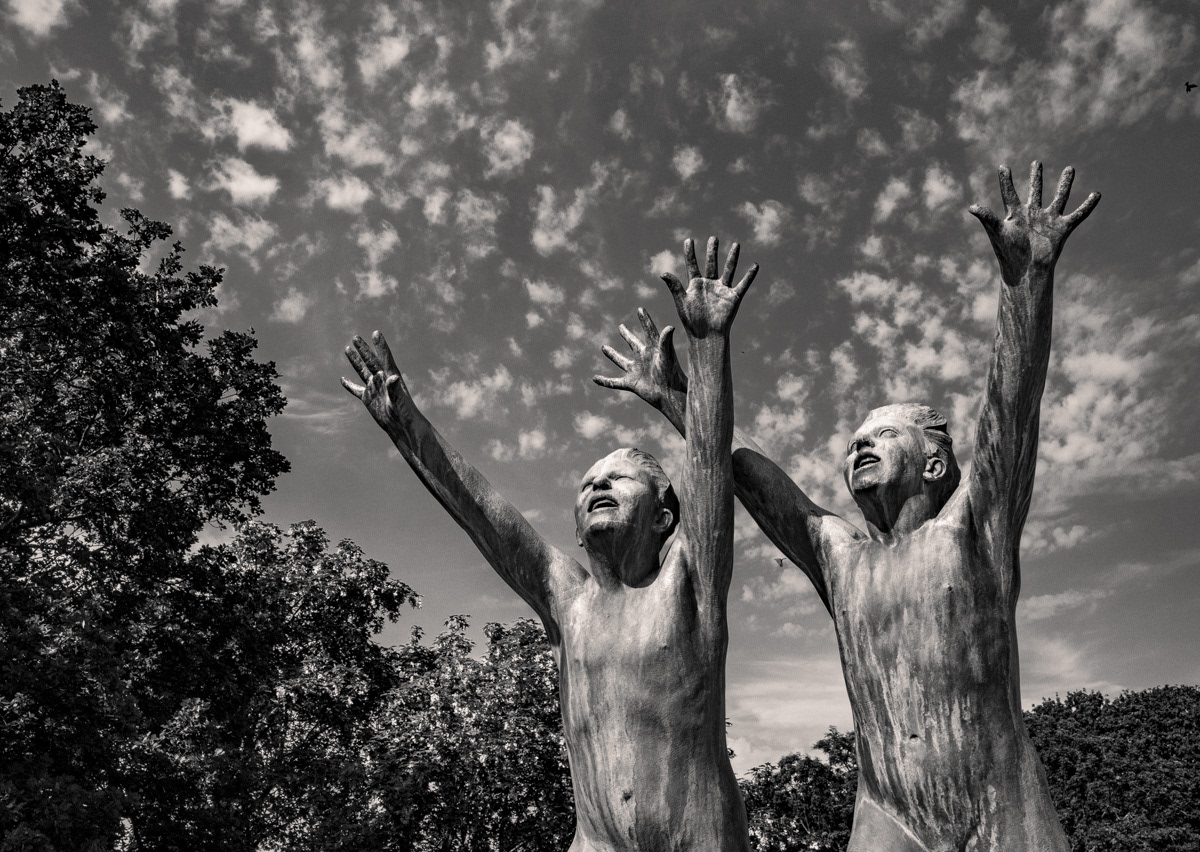
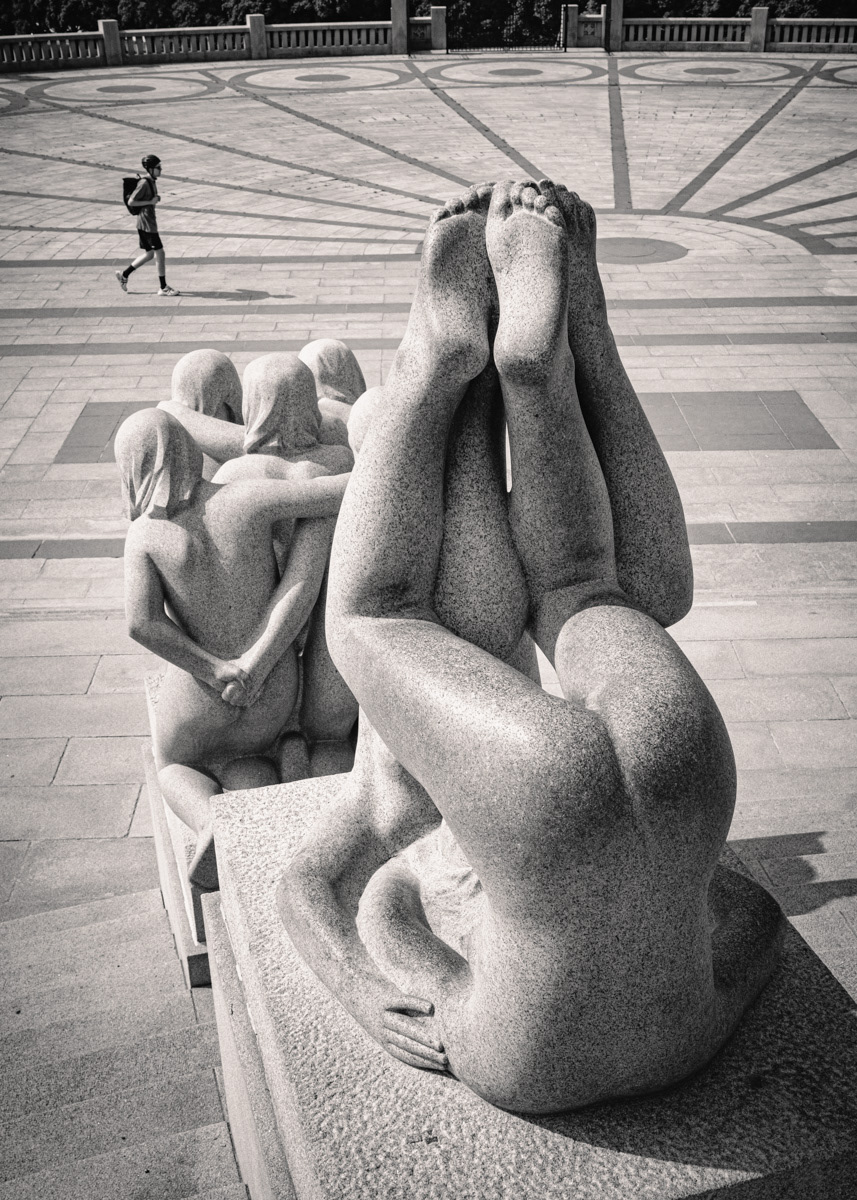
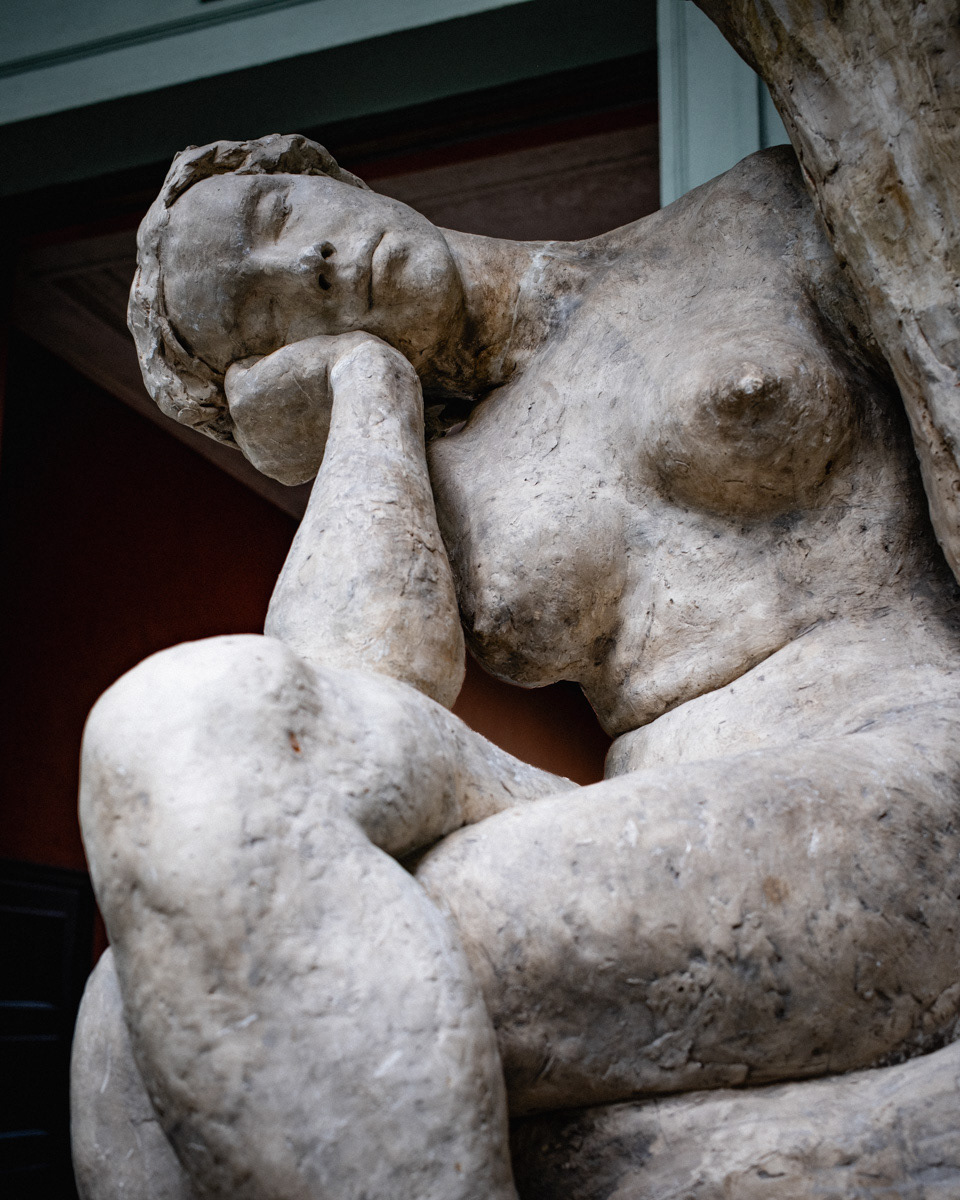
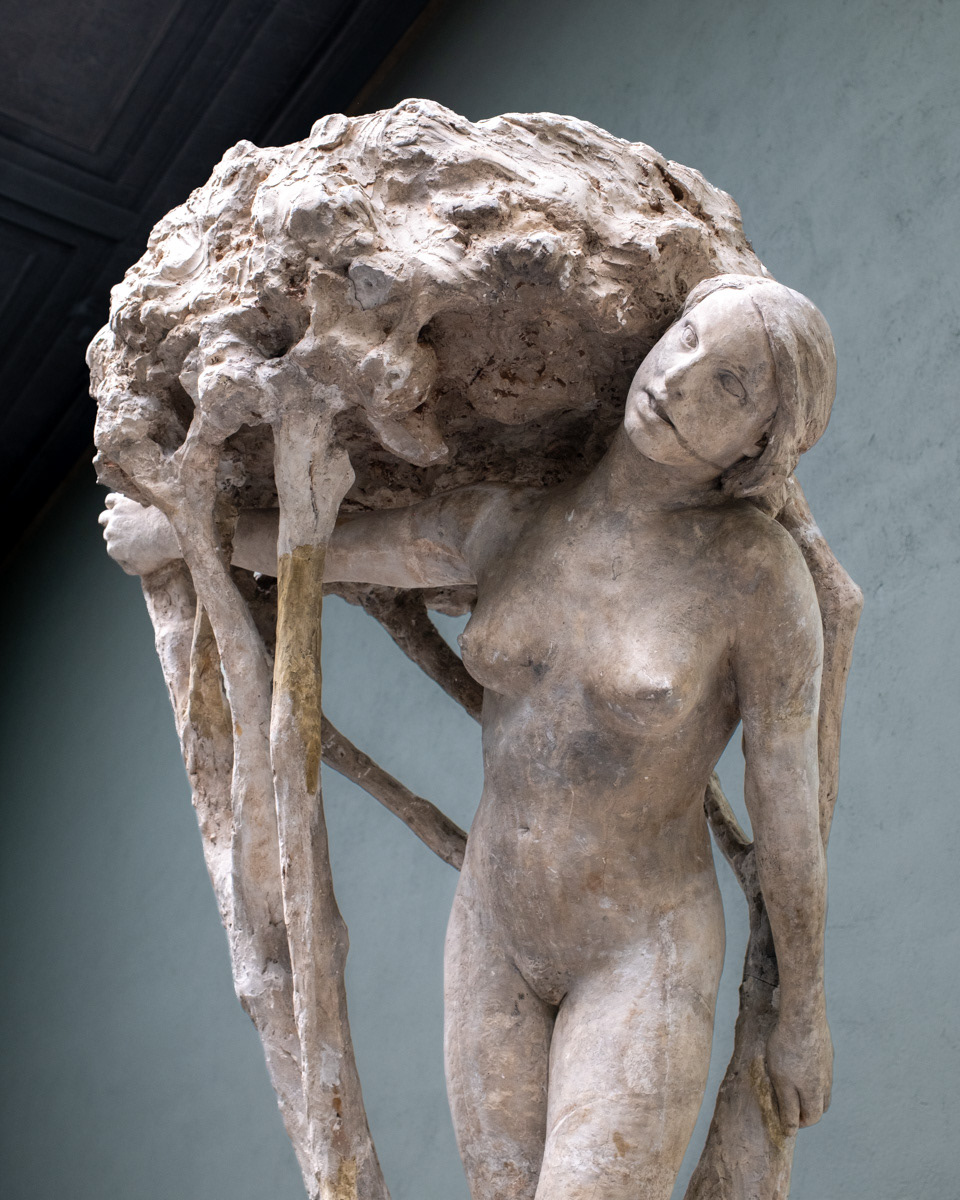
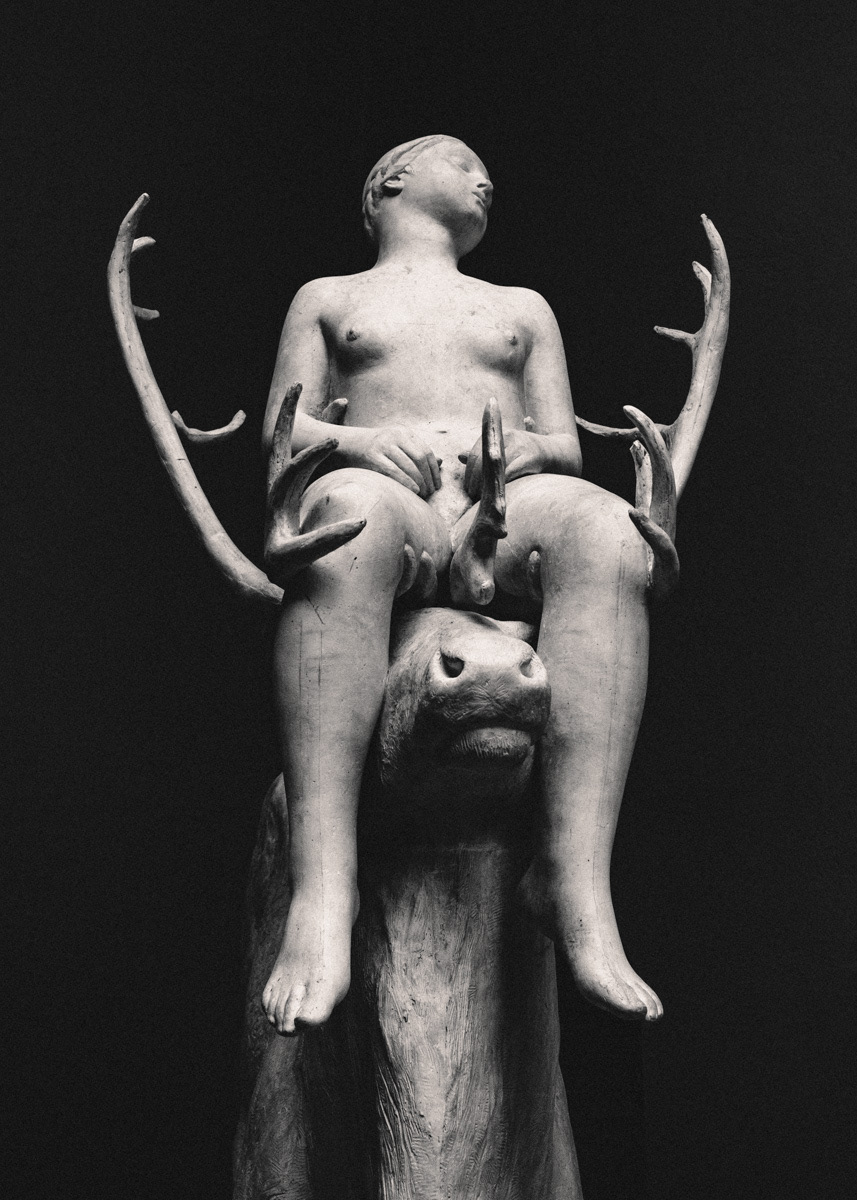
Vigeland once said, “I never had a choice. I was a sculptor even before I was born… I was always driven back to it.”
After ten hours on a ferry and a cross-country train, we arrived in Oslo exhausted — the perfect emotional state for contemplating nude art.
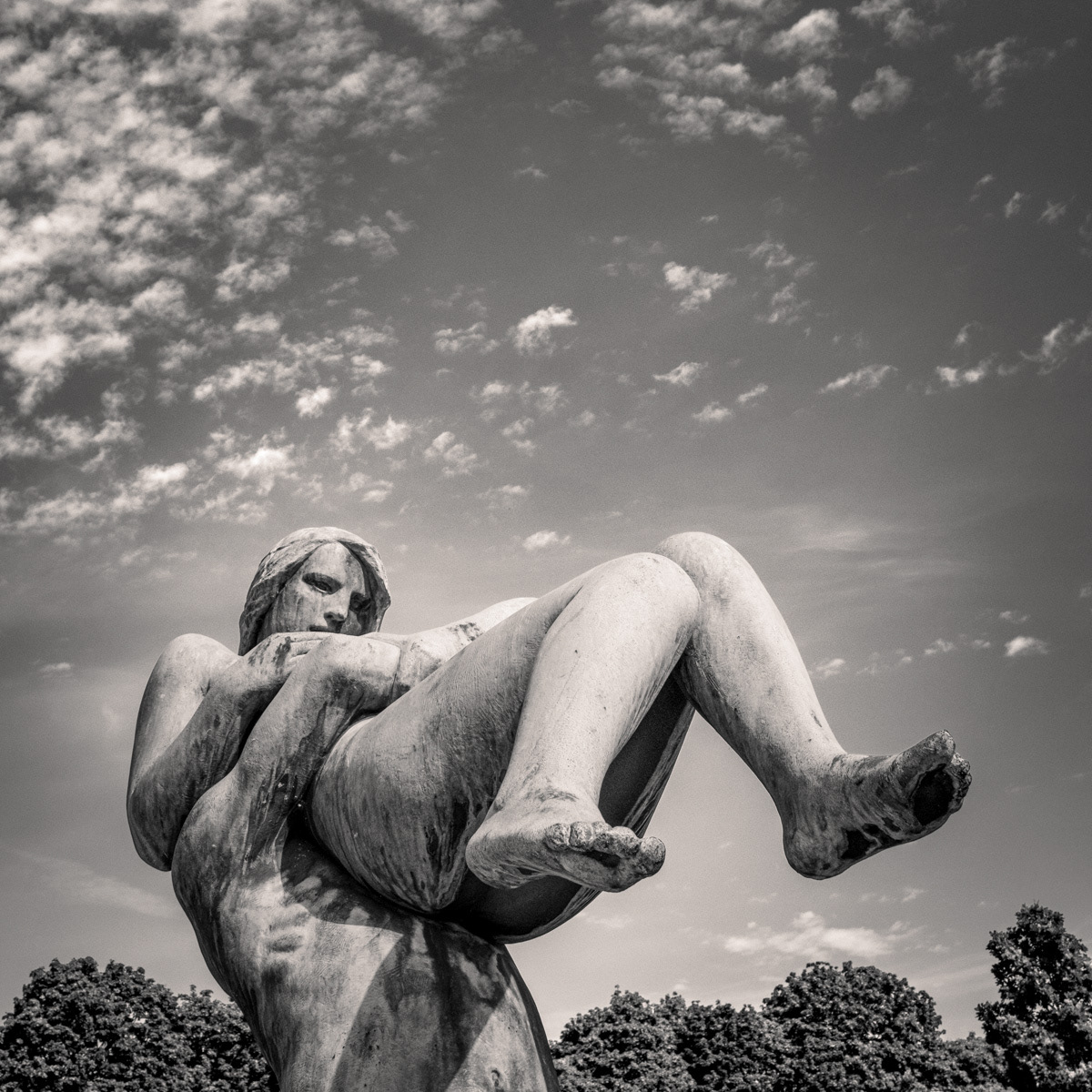
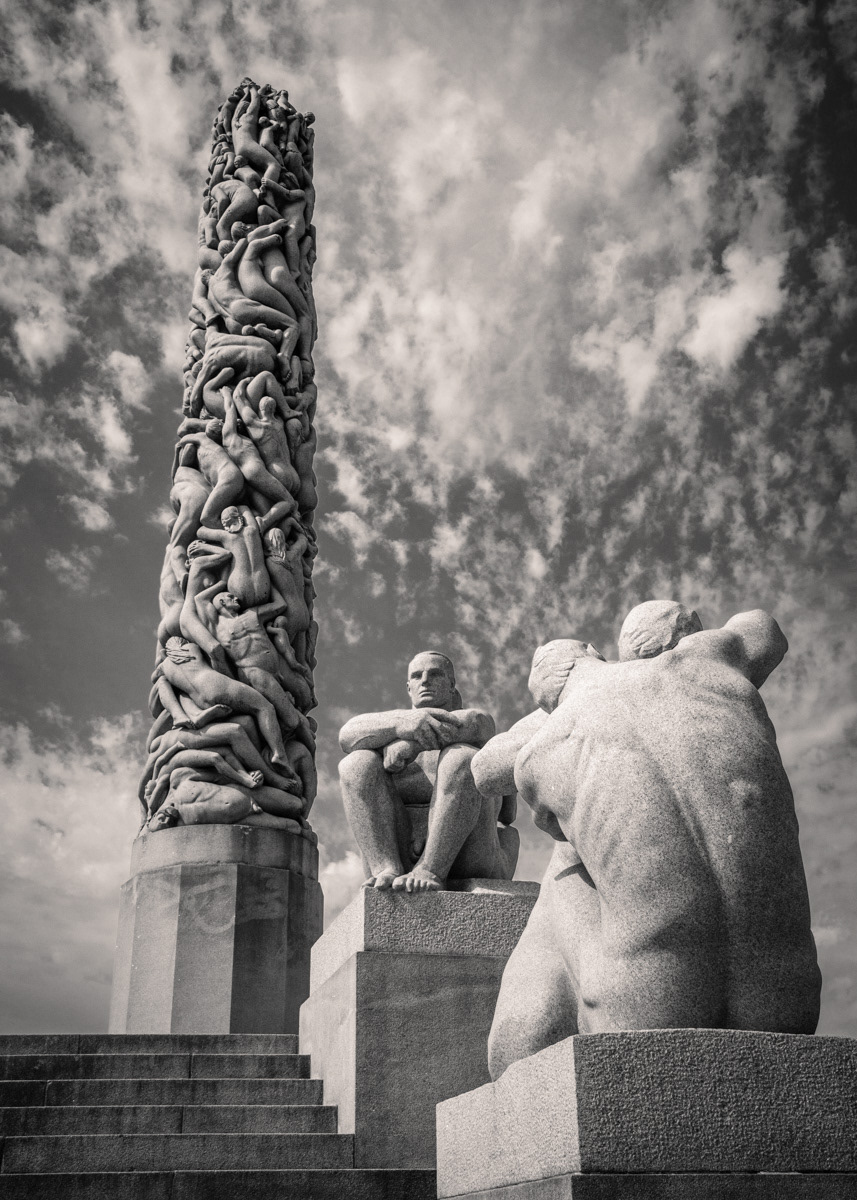
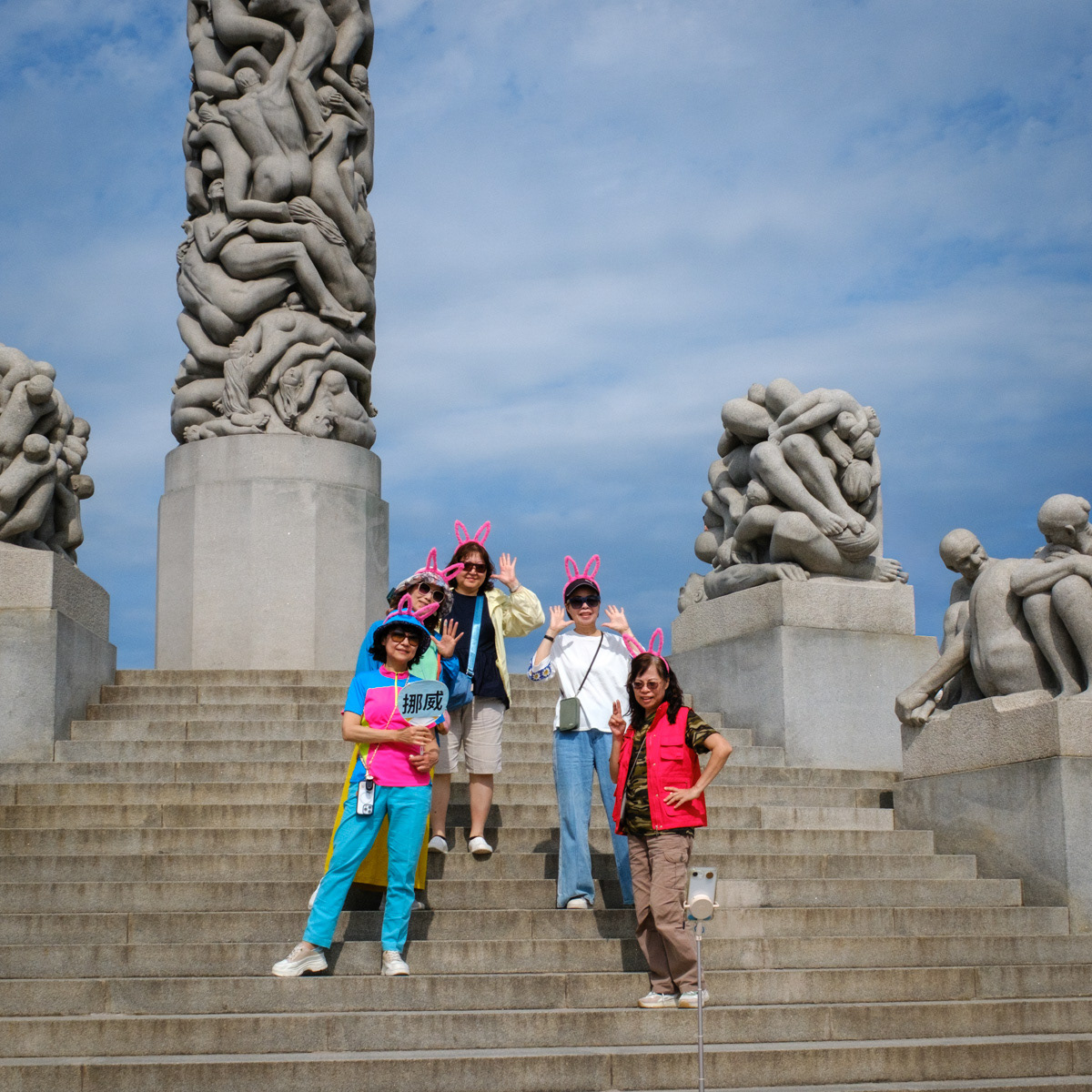
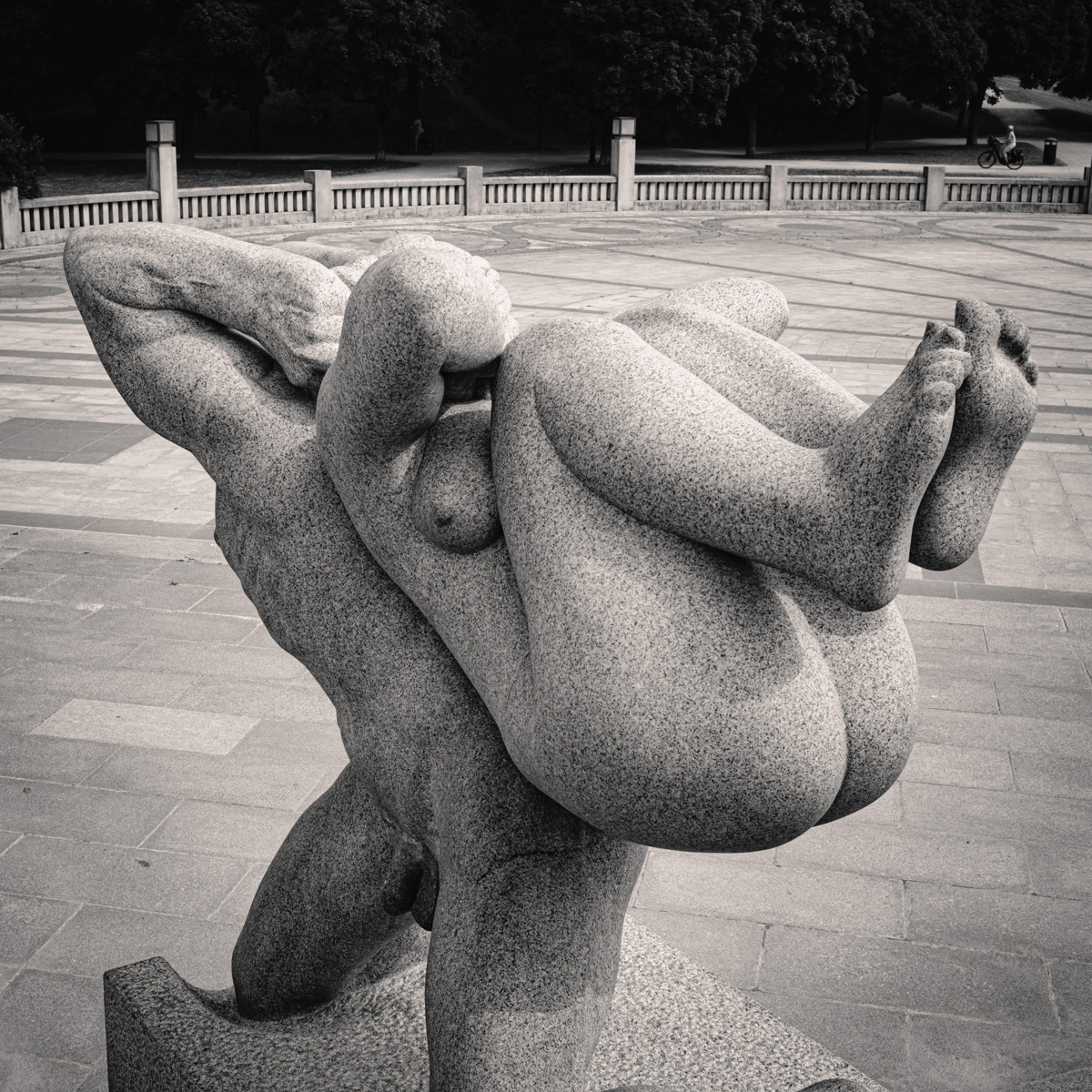
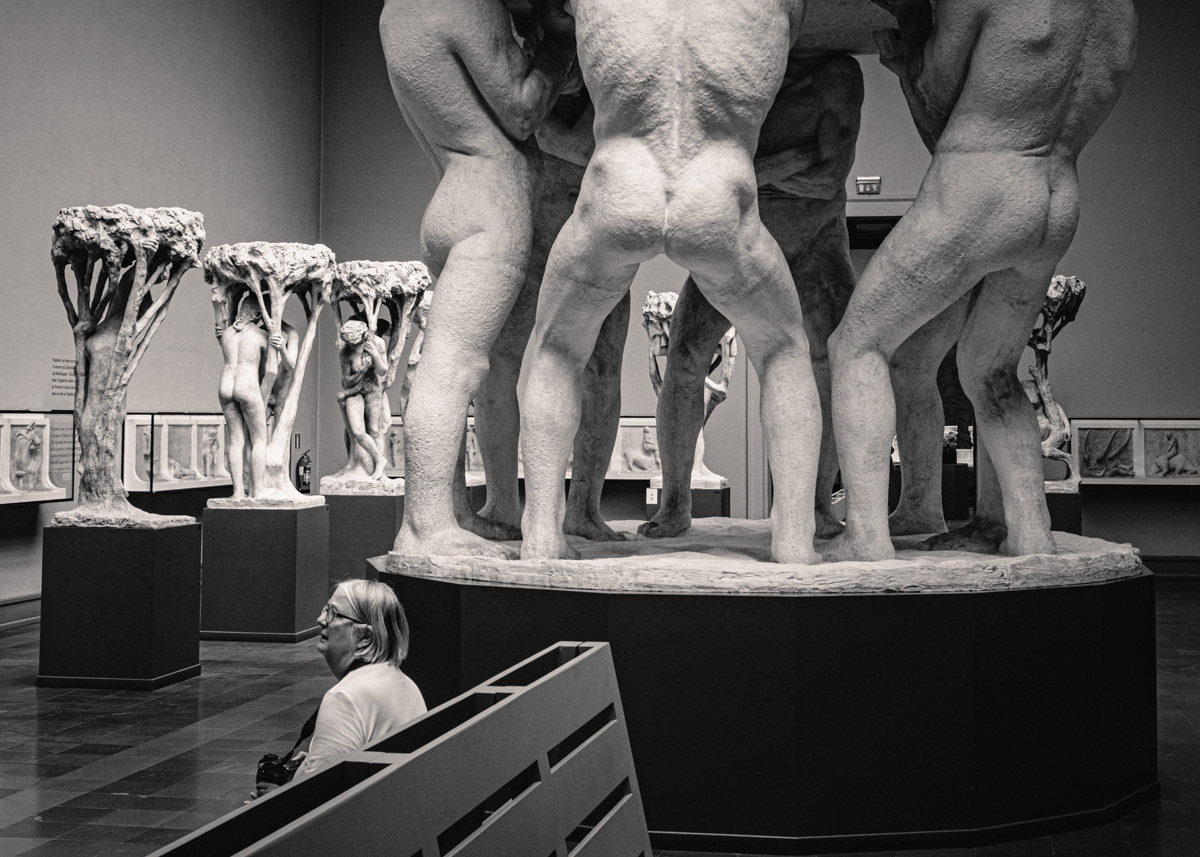
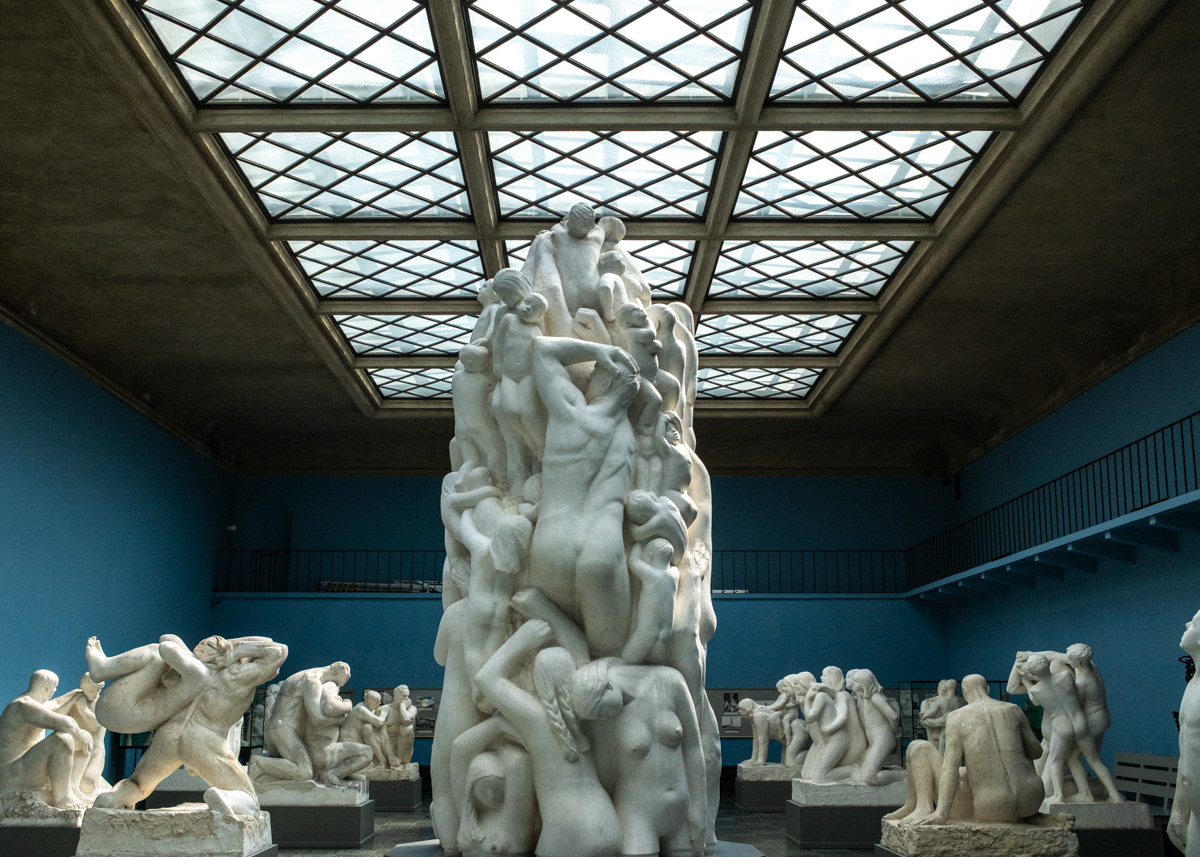
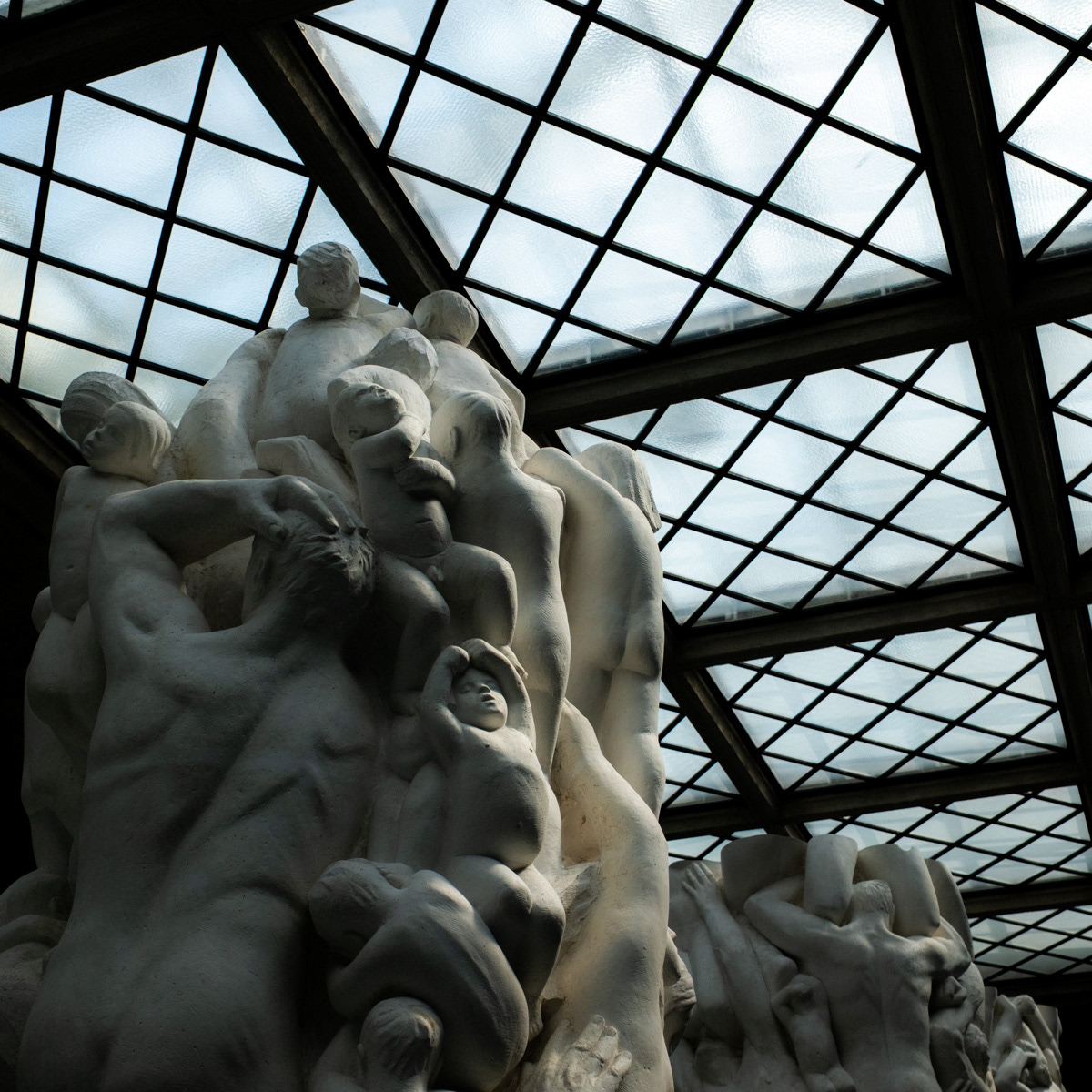
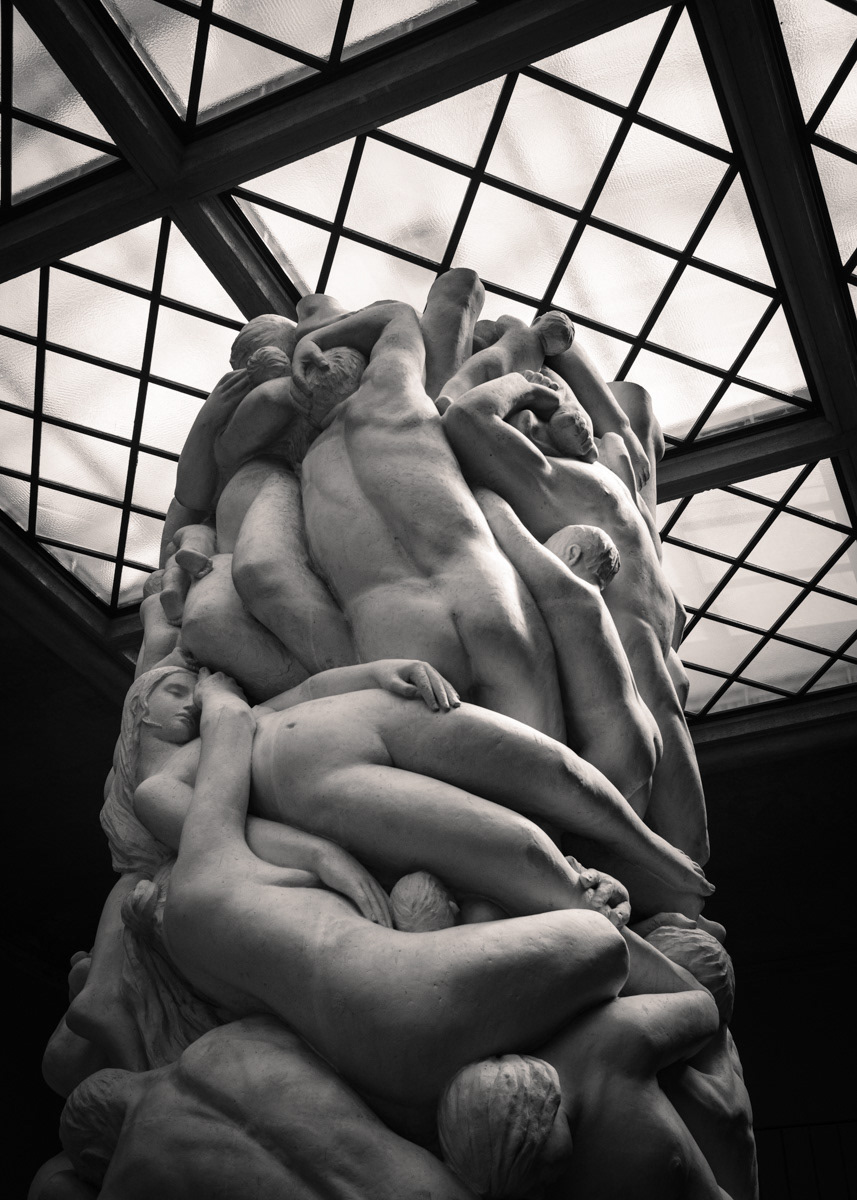
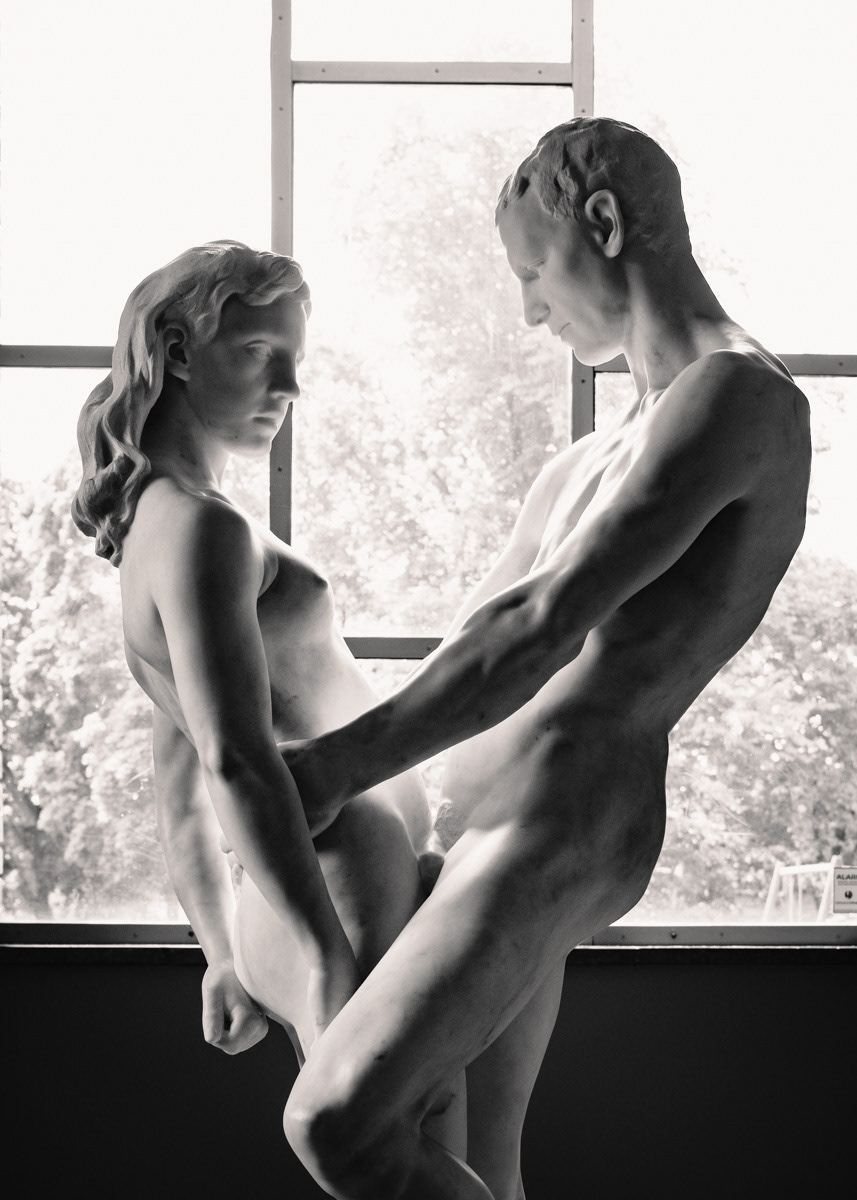
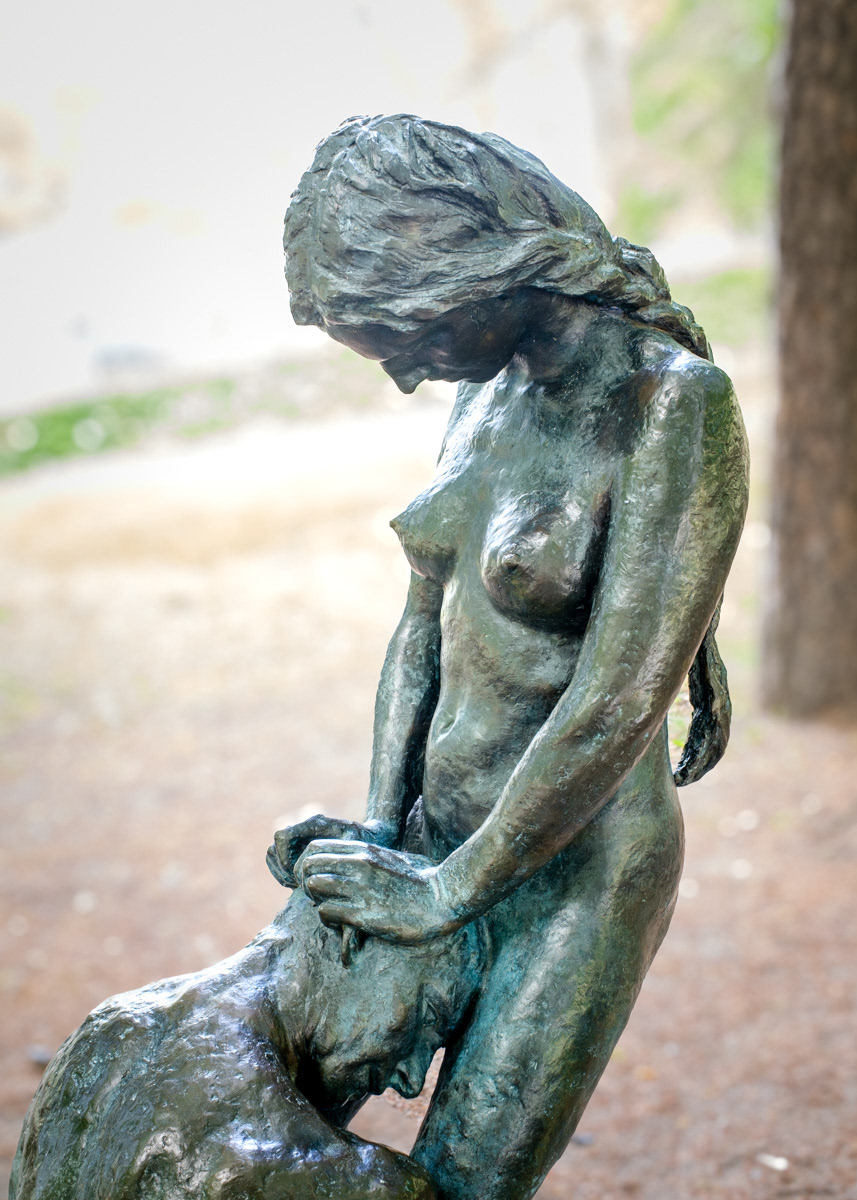
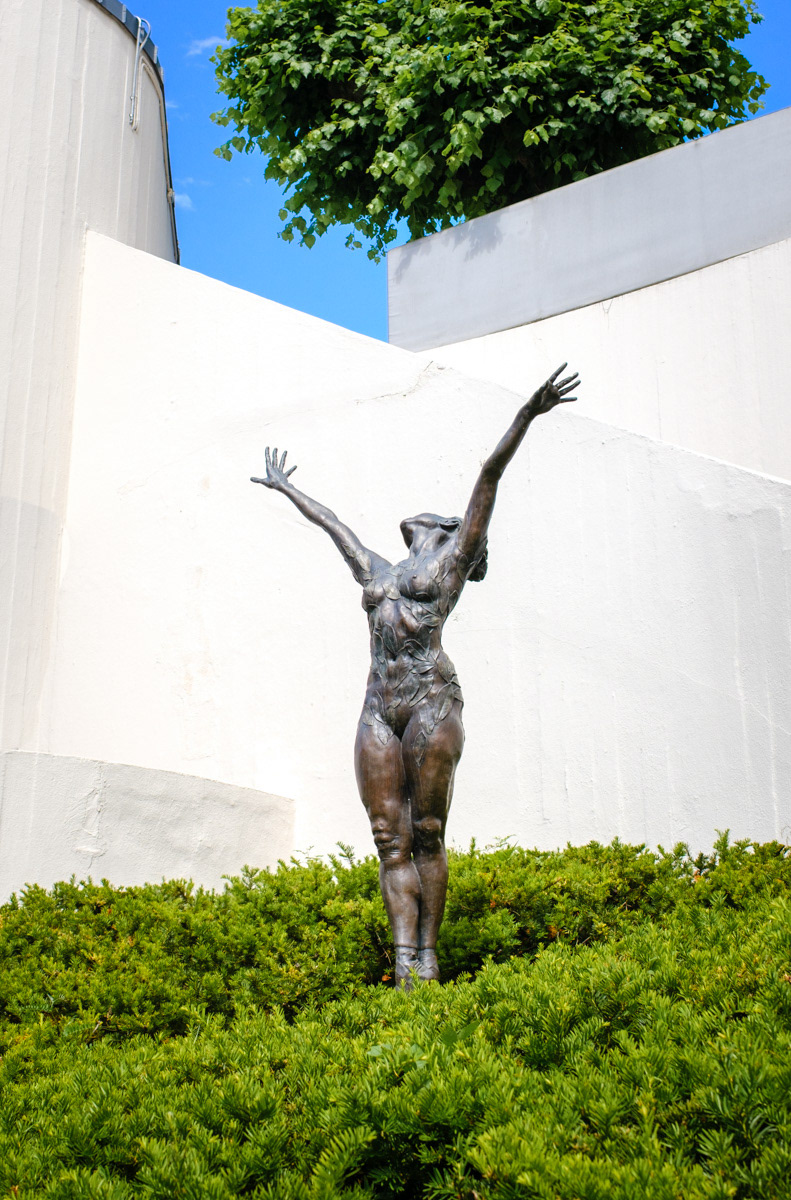
Vigeland’s presence throughout the city was a genuine surprise to us. So often, his sculptures rely on intimate body language rather than dramatic facial cues to express the universal tensions between men and women — pleasure, conflict, longing, and emotional stalemate. He strips human relationships down to their essential gestures, landing on a style that looks simple at first glance but is profoundly expressive.
And then there’s the park named after him — an entire public space devoted to one man’s singular artistic vision. It’s astonishing, and honestly, it’s the kind of thing that could never exist in the United States. We’d have committees, subcommittees, lawsuits, and at least three congressional hearings before anyone would carve a single figure. Oslo just shrugged and said, “Sure, let’s give him a whole park.” There’s something wonderfully insane about that.
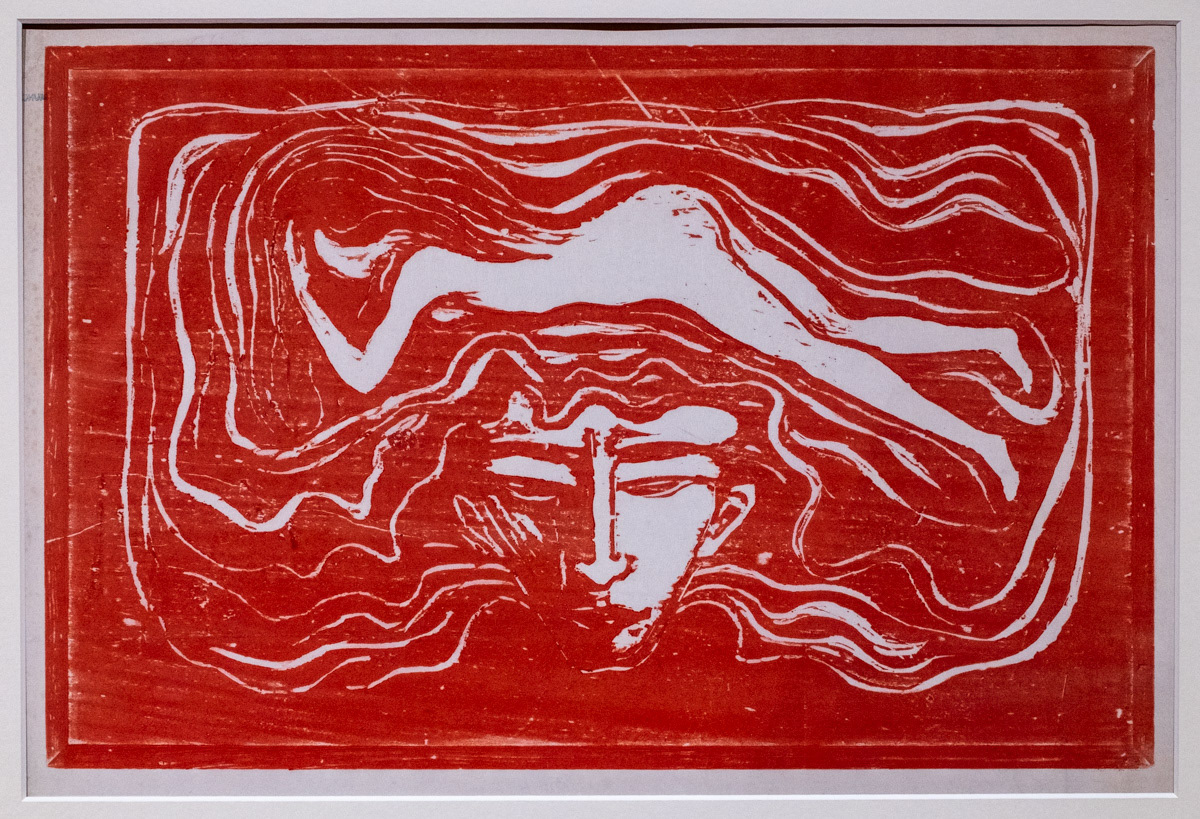
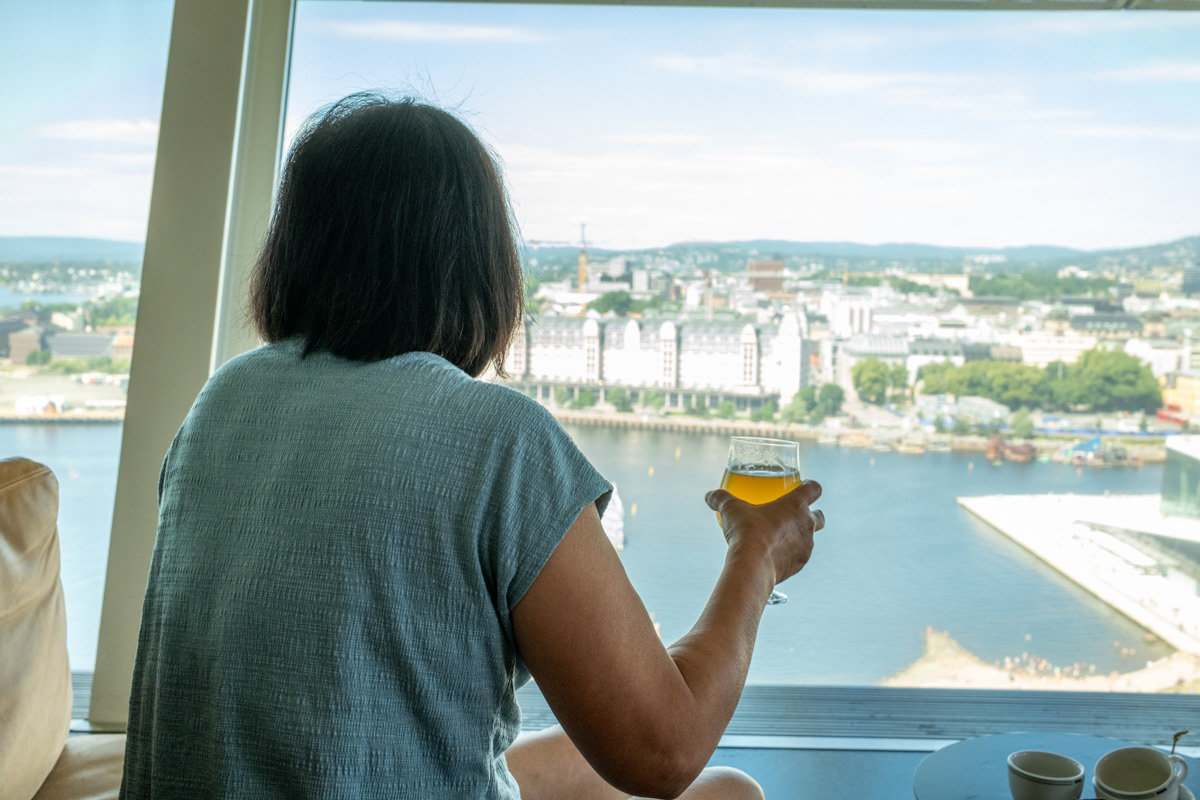
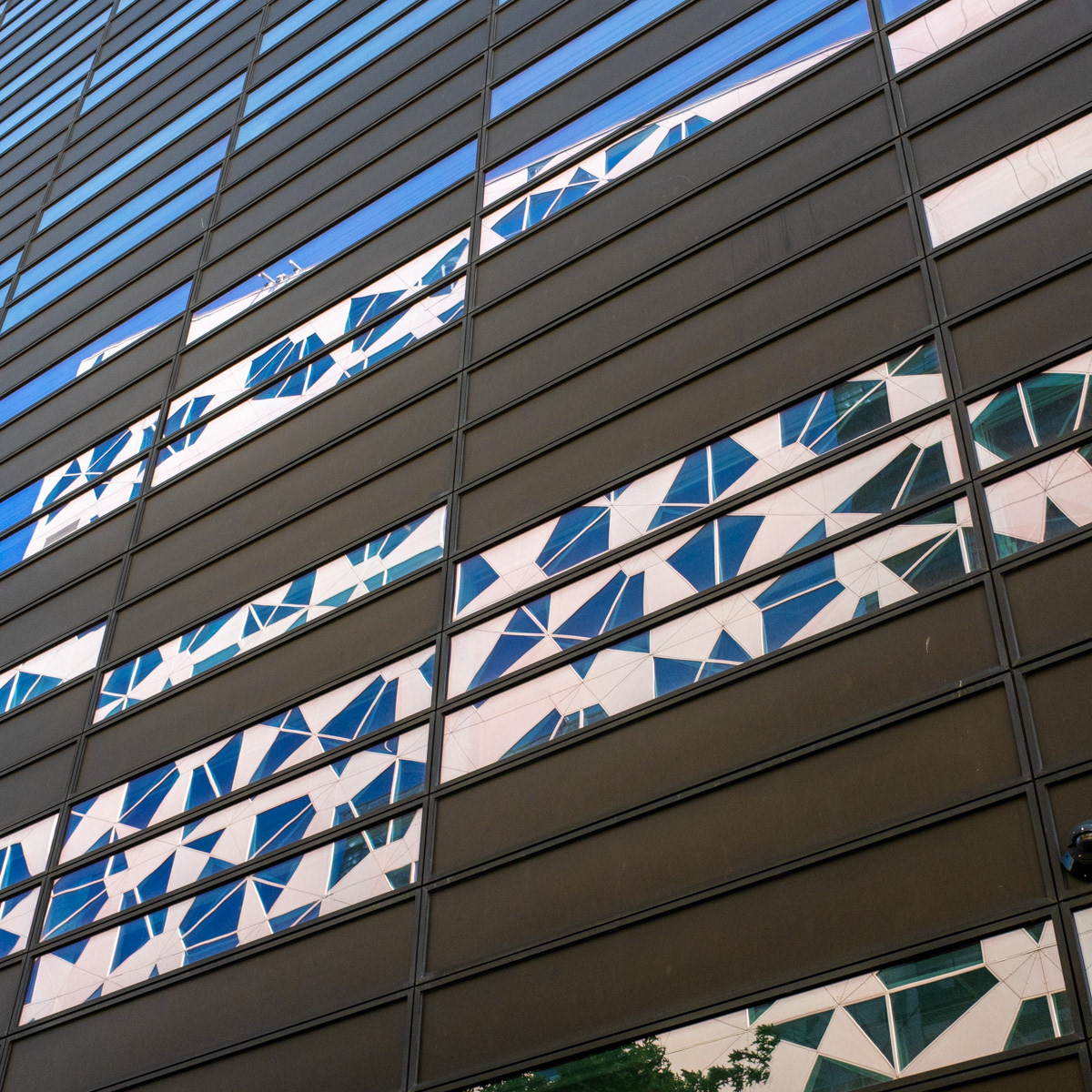
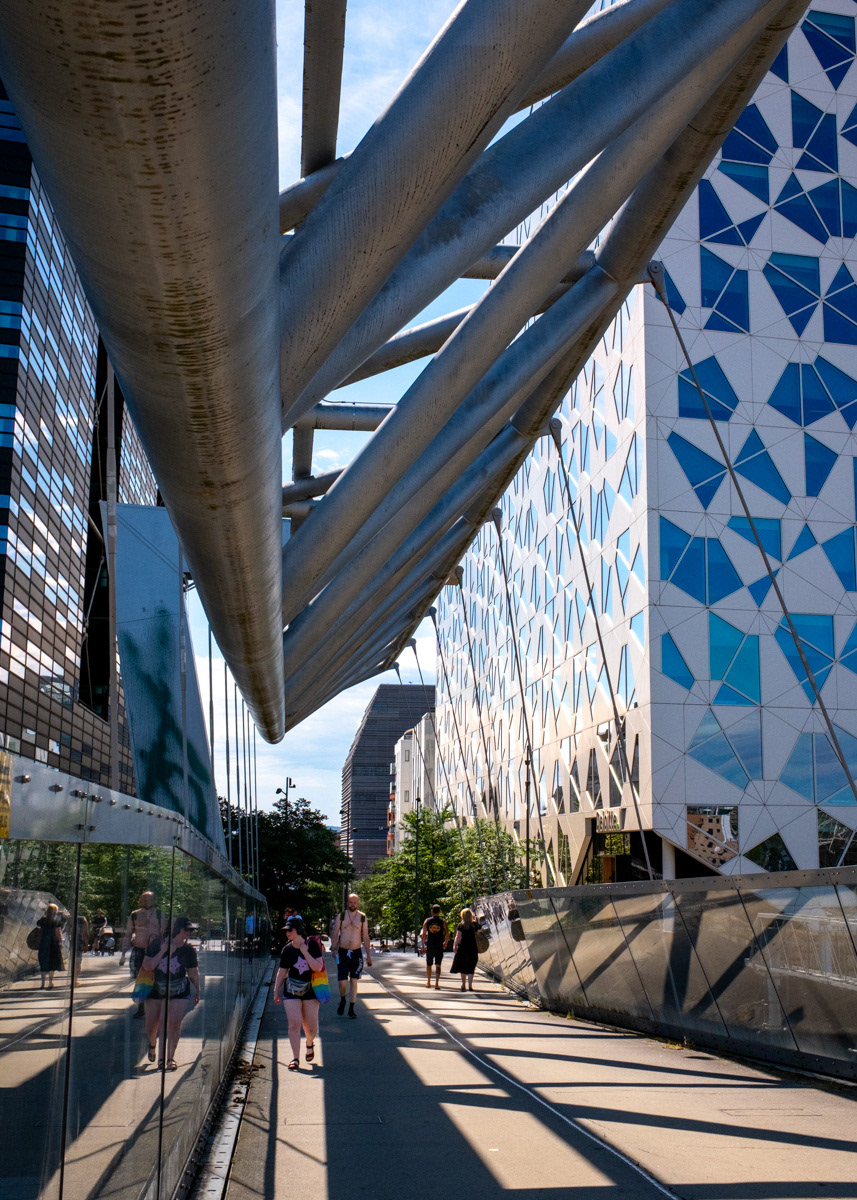
The city itself felt equally unpretentious. Nothing was trying too hard. Oslo seemed comfortable in its own skin — confident without being showy. It felt like a city built for its people: the visual feast of Bjørvika, the easy accessibility of the MUNCH museum, the Sunday-morning vibe of Bygdøy. While we were there, bars were packed with fans roaring for Norway’s World Cup team, and the streets were alive with Pride celebrations — colorful, joyful, and completely unbothered by the rain that kept threatening to join the party.
We were only in Oslo for two days, but it felt unmistakably livable. The streets were alive, the museums full, and the city didn’t seem to have sold its soul for the tourist dollar (looking at you, Bergen). It felt like a place that knows exactly what it is — and doesn’t need your approval to keep being that.
Will we be back? I’m not sure. But Oslo’s art scene won us over. It reminded us that art doesn’t need permission — it just needs a city willing to listen.
EPILOGUE
Travel rarely gives you what you expect. It gives you weather you didn’t plan for, people you didn’t anticipate, detours you didn’t intend, and moments you didn’t know you needed. We went to Germany and Norway looking for “something different,” and the world obliged — sometimes generously, sometimes mischievously.
Berlin reminded us that cities can reinvent themselves without forgetting who they were. Potsdam taught us that even sidequests come with fine print. Bergen showed us the difference between a place built for visitors and a place built for itself. Hardangerfjord humbled us twice over in a kayak and proved that a dry bag can be a hero. Sognefjord let us slow down and reclaim the narrative. And Oslo — confident, artistic, unbothered — reminded us that a city doesn’t need permission to be exactly what it is.
Looking back, the trip wasn’t defined by perfect weather or flawless logistics. It was defined by the small things: the maître d’ singing to a crying child, the baker slipping in a free bear claw, the waterfall spray soaking our clothes, the late-night sun lighting up Oslo like a stage. These were the moments that stayed with us — the ones that made the journey feel human. We didn’t come home with grand revelations.
But we did come home with a renewed sense of curiosity, a deeper appreciation for art and place, and a reminder that the world is always stranger, funnier, and more generous than you expect. And maybe that’s enough — to be surprised, to be humbled, to be reminded that there’s still so much to see. We set out looking for “something different.” We found exactly that, and more.